


Development of ecofriendly selective pesticides to safeguard honeybees
8 September 2025
VegNET NT: From policy to practice – bridging the gap on water licensing for NT Growers
8 September 2025
Reading Time: 3 minutes
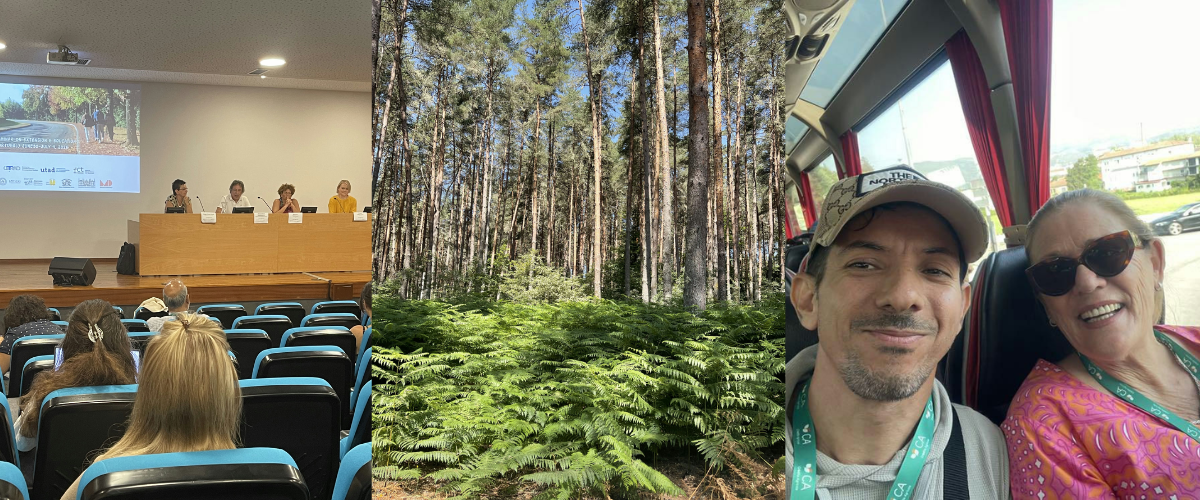
 In early July 2025 I was fortunate to attend the European Seminar on Extension & Education (ESEE), a biennial conference about agricultural advice and education. It has gathered scholars, advisors and educators together since 1973.
The ESEE serves as a vibrant platform for dialogue, bridging the gap between scientific inquiry and practical application. Welcoming a wide array of contributions from academic research to hands-on experiences. It cultivates an inclusive environment that values both theory and practice.
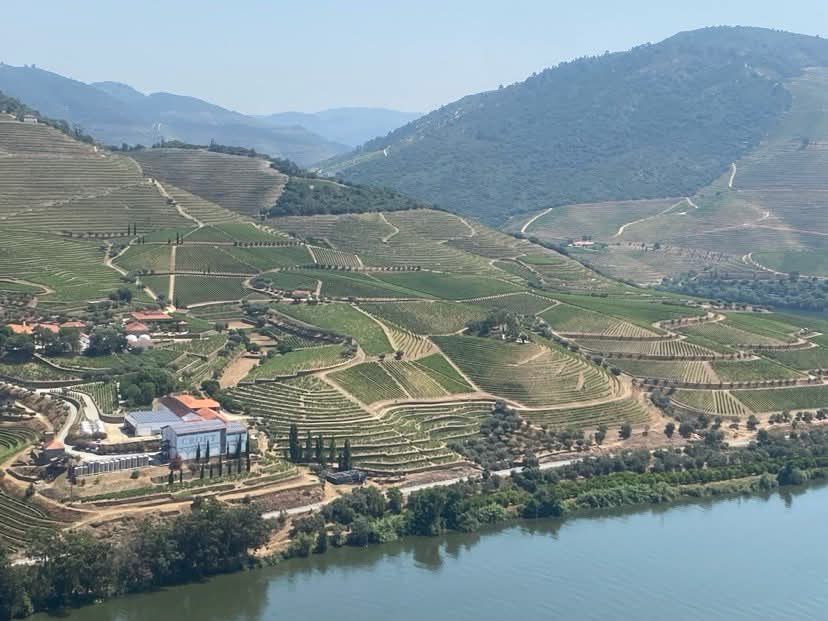
The conference was held in Vila Real in Portugal at the local university. The program was a packed four days of plenary, parallel sessions and field trips. Learning to navigate how to get to the university from the accommodation on a bus or Bolt (similar to Uber) was somewhat challenging, but I was fortunate to connect with Halil Ibrahim from the Mulga province in Türkiye. Two people getting lost is better than one!
The conference program was centred around several themes, which were as relevant to Australia as they were to their European audience.
Resilience, relationships, and reform: key learnings for a sustainable agricultural future
As agriculture navigates a changing global landscape driven by climate variability, economic pressures, and shifting social expectations, it has become increasingly clear that a successful future relies not only on innovation and productivity but also on resilience, wellbeing, and meaningful connection.
Adapting to challenges and building mental health capacity
The ability to adapt, to pivot in response to shifting circumstances is a key factor of resilient farming. Whether facing climate extremes, market volatility, or evolving consumer demands, growers must be supported with tools that enable rapid, thoughtful response. Central to this is mental health. Farming under high stress has become the norm for many, and the need to build mental health capacity within rural communities is urgent. Resilience is not just about systems and practices; it is deeply rooted in people.
 Understanding cognitive mapping and transitionary support
Cognitive mapping and the way we process and connect information plays a key role in how farmers adapt and make decisions. Learning environments that acknowledge and support different ways of thinking are essential. Transitionary support that understands the how, who, and why behind behaviour change can increase trust and capability. Interconnected support networks, rather than isolated services, are critical in helping farmers navigate change confidently.
From incentives to impact: climate adaptation and sustainable farming
Sustainable farming practices need more than good intentions; they require real incentives. The importance of financial and policy-based motivators was underscored as a key driver of climate adaptation. Farmers need to see clear, tangible benefits for adopting practices that support long-term food security and environmental health. Programs need to align with practical realities and local conditions to be effective.
Safe residues and the role of organics
Organic farming continues to demonstrate the benefits of reduced chemical use, offering safe residues that align with consumer expectations and environmental stewardship. However, it’s not just about compliance or certification—it’s about trust, transparency, and a genuine commitment to better outcomes for people and the planet.
Gender realisation and inclusive practice
Gender realisation was acknowledged as a critical component of an inclusive agricultural future. Recognising and addressing gendered experiences and barriers whether in leadership, access to land and resources, or recognition of contributions will strengthen industry diversity, innovation, and sustainability.
Networks that work: rules of engagement matter
True support doesn’t come from a static database of names. Effective networks are built on trust, clarity, and shared purpose. Establishing rules of engagement, the principles by which we interact, collaborate, and support one another is fundamental to creating networks that genuinely serve their members and drive collective progress.
These themes are not just theoretical; they reflect real-world experiences and emerging needs. By embedding these insights into policy, extension services, research agendas, and grassroots initiatives, we can build a farming sector that is not only more productive but more human, more connected, and better prepared for whatever the future holds.
FIND OUT MORE
Please contact Cherry Emerick AUSVEG on
0418 389 680 or email cherry.emerick@ausveg.com.au