


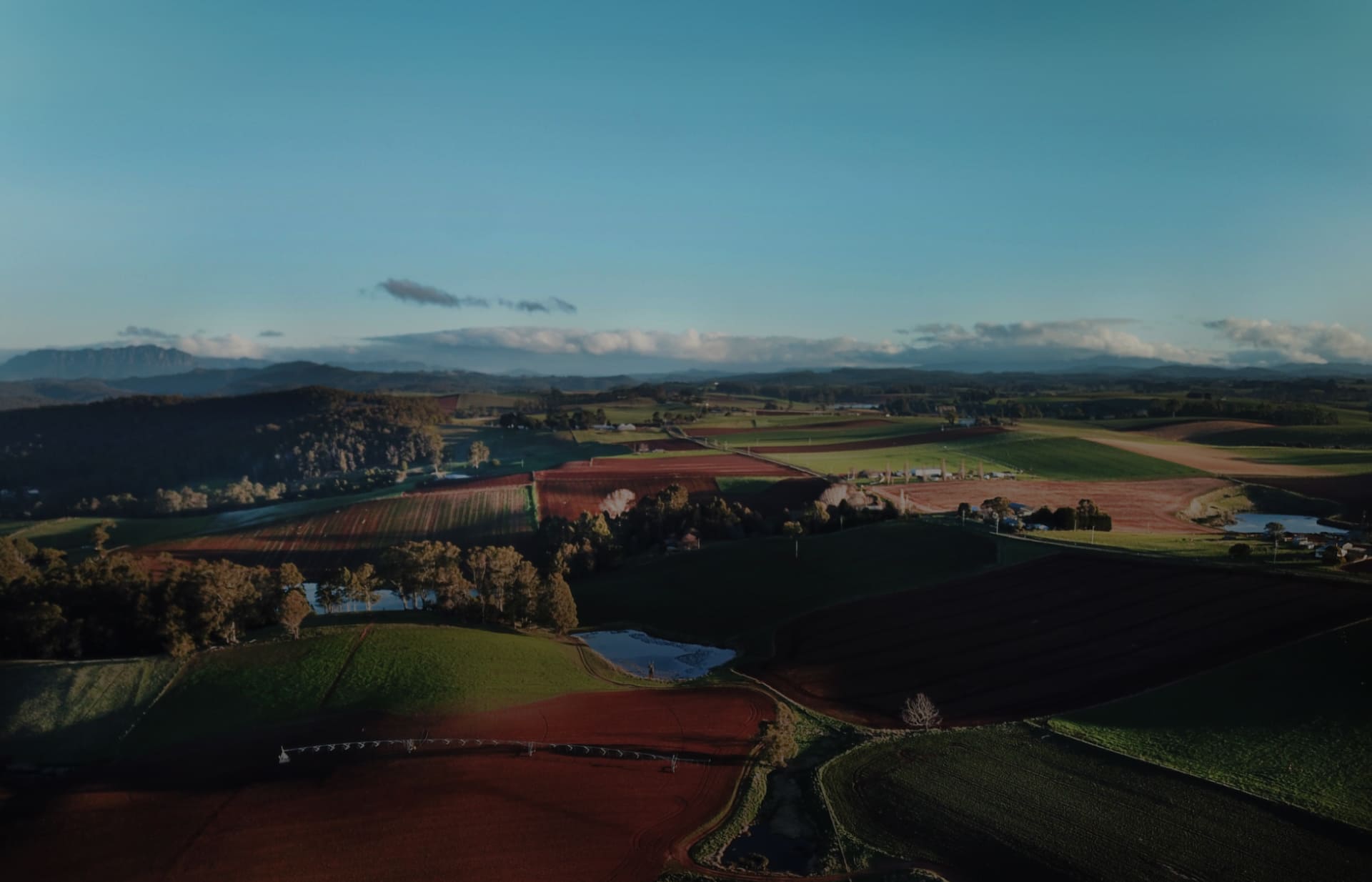
Tropical vegetable production: best practices and opportunities – Study Tour, August 2009
Understanding Spatial Variation In Sweetcorn Production
Understanding The Causes Of Sudden Wilt Of Capsicum
Final report: Understanding The Elements And Adoption Of Environmental Best Practice In Horticulture
Understanding The Implications Of Pastures On The Management Of Soilborne Diseases Of Seed Potatoes
Understanding the retail performance of broccoli using a tool for determining in store performance and consumer demand
Understanding The Retail Performance Of Broccolini Using A Tool For Determing In Store Performance And Consumer Demand
Understanding The Use Of Chicken Manure In Vegetable Production On Sandy Soil
Final report: Use of Microsatellite Tracking to Determine the Source of Qfly Outbreaks in the Fruit Fly Exclusion Zone
The quarantined fruit growing areas of the Riverina region of NSW (part of the Fruit Fly Exclusion Zone; FFEZ) suffered a region wide outbreak of Bactrocera tryoni (Queensland fruit fly; Q-fly) in the season 1999-2000. Subsequent seasons saw little overall reduction in the numbers of Q-fly trapped in the FFEZ. To improve current control efforts, we need to know the origin of outbreak flies and whether and where persistent populations of Q-fly have established within the FFEZ.
The most appropriate methodology to address this question is to use DNA microsatellite markers to profile all possible source populations and then to use these profiles to identify the source population of outbreak flies (i.e. assignment testing). This project enabled annual collections and microsatellite profiling of endemic populations of Q-fly from Queensland, NSW and Alice Springs. It complemented an ARC SPIRT (Strategic Partnerships – Industry with Research & Technology) grant that concentrated on profiling Q-fly populations nearer the FFEZ. The results of both these profiling efforts were combined and analyzed jointly to construct a complete picture of Q-fly population structuring in eastern Australia at a resolution that could be used to identify migrants from DNA microsatellite profiles.
The profiling of populations outside the FFEZ found that, for the purposes of assignment, there were two major and a number of minor source populations. The largest population (the “North” group) extended from Sydney northward in a broad coastal strip extending inland to include the Western Slopes of the Great Dividing Range. This population appeared unchanged between years. A second population grouping (the “South” group) emerged on the Western Slopes, south of Wagga, extending at least to the Victorian border. The change of genetic profile between the two groups occurred gradually in the region between Parkes and Wagga. This pattern is consistent with continuing stepwise migration of flies southward along the Western Slopes. In contrast, all towns sampled on the Western Plains supported populations that were more genetically distinct, presumably originating from small founder propagules, that are unaffected by subsequent migration.
Within the FFEZ, we were also able to identify overwintering populations of Q-fly. Deniliquin and Hay in particular supported persistent populations in all three seasons sampled (2001/2 to 2003/4). In 2002/3, Leeton and Barooga also supported distinct populations of Q-fly. Other towns in the southeastern corner of the FFEZ (Narrandera, Tocumwal, Corowa and Wahgunyah) each supported sizeable populations that appeared to be part of the South group flies to the east.
Assignment testing showed that the pattern of migration into the FFEZ consisted mainly of dispersal events from neighbouring populations, particularly from the South group. There was little evidence of large numbers of migrants arriving from the major east coast populations (i.e. Brisbane or Sydney). Within the FFEZ, Deniliquin appeared to be a major source of migrants to other FFEZ towns.