


Securing the future of crop protection
9 December 2025
Lessons from the UK and the Netherlands Onions International Study Tour 2025
9 December 2025
Delivered through AgriFutures and supported by Hort Innovation, the program nurtures emerging leaders by pairing university students with industry mentors, networks, and hands-on experiences. Scholars gain not only financial assistance, but also real-world exposure to the challenges and opportunities that define the sector.
The Horizon Scholarship program is a cornerstone of Hort Innovation’s commitment to nurturing the next generation of horticulture leaders.
The CEO of Hort Innovation Brett Fifield said the value of the Horizon Scholarships lies in the opportunity to connect scholars with real-world challenges and opportunities in horticulture.
“We want these students to experience the full breadth of our industry – from soil science and plant health to supply chains and consumer trends. By embedding them in the sector early, we’re hoping to help support them with building the skills, networks and understanding the insights they need to make a lasting impact.”
About the scholars
Chris Partridge is an aspiring agronomist and researcher focused on improving farm productivity and sustainability. He is in his second year at the University of Adelaide, studying a Bachelor of Agricultural Sciences and describes his parents as his inspiration.
“I witnessed their careers during my upbringing, and this led to me deciding to study agriculture. But before that, I had a gap year after finishing year 12 and I moved to northwest NSW, where I lived and worked on a cotton farm for six months.”
Ella Wightman grew up in Brisbane’s outer northern suburbs, which her parents still call home.
While her mum Jane has worked for many years in agriculture, she still feels new to the industry, and is keen to learn more.
“In grade nine, I took agriculture science as an elective because we had a school farm, and I really enjoyed it. I liked the science side more than the practical side, which was a bit different from a lot of the kids. This led me to apply for the Bachelor of Agriculture Science at the University of Queensland.”
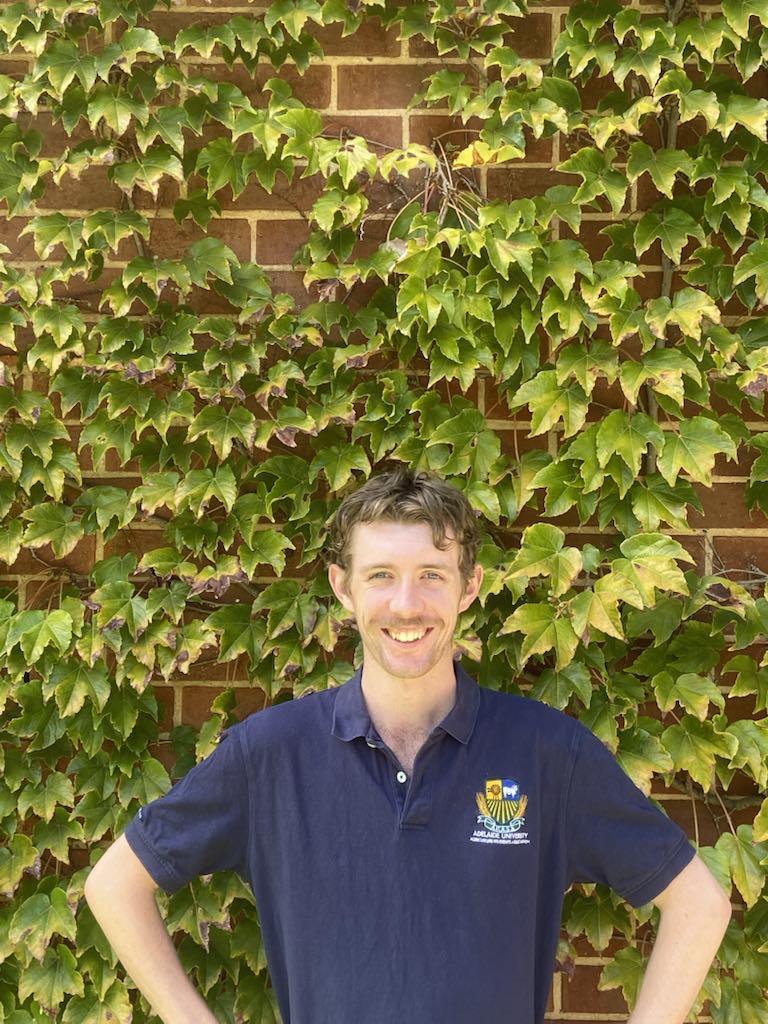
CHRIS PARTRIDGE
Bachelor of Agricultural Science
University of Adelaide
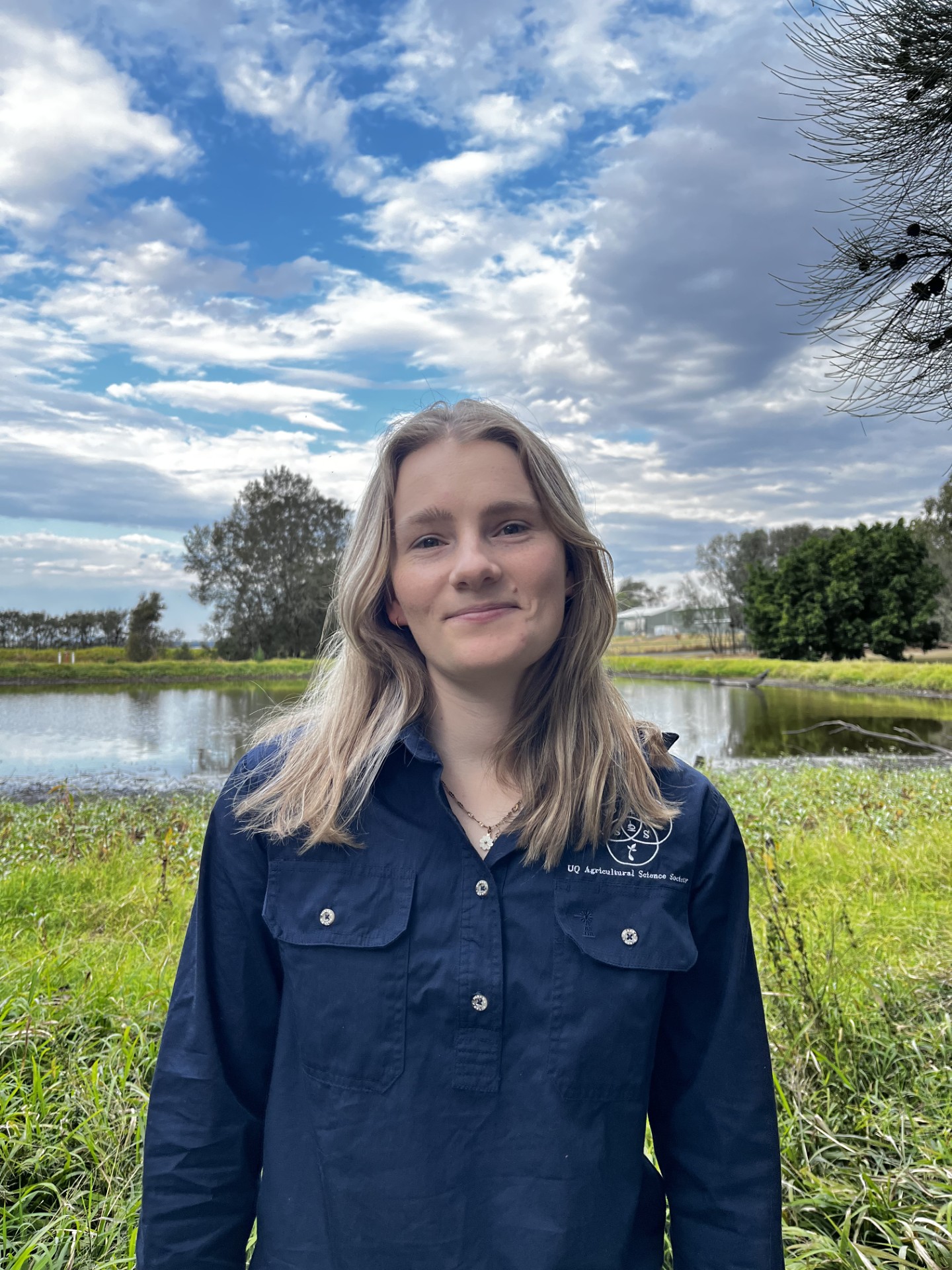
ELLA WIGHTMAN
Bachelor of Agricultural Science (Honours)
University of Queensland

JAMES HASLETT
Bachelor of Science (Soil Science)
University of Adelaide
James HasIett’s family grow almonds, wine grapes, stone fruit, and citrus on their farm near Murtho in South Australia’s Riverland, and this background sparked his interest in horticulture.
“After finishing school in 2021 I took a gap year and worked on various harvests, including almond, sugar plums, citrus, and grain. After that I started studying mechanical engineering at the University of Adelaide. But I soon realised agriculture was my passion, so I switched to agricultural science and it has been a happy move.”
For each of the young recipients the scholarship provides not to be missed opportunities. This includes the Stakeholder Summit which in 2025 was held in Canberra providing networking opportunities and the chance to meet second-year scholars and learn from their experiences. Scholars also have the opportunity to find placements in the industry.
Future ag vision
Chris, James, and Ella are at the start of their journey into horticulture, and all have wide and varied experiences with different backgrounds. Chris is keen to find out how robotics and technology came increase efficiency.
“The advanced mechanisation of tasks is fascinating, especially in horticulture where labour is the biggest cost. Anything that reduces labour costs is amazing. This year, at the nursery at home, we bought a new processing line from Germany, which increased our processing rate from about 8,000 plants a day to 20,000. We’re still using the same amount of staff, but the time we need them for is a lot less, so our labour costs are reduced.”
“Precision agriculture is an area that really excites me,” said James.
“I’m looking forward to the application and integration of new technologies which make it possible for farmers to be able to react to their environment to maximise yield and conserve resources.”
Ella and her mother have a shared passion for regenerative agriculture, and she would like to do more in this area.
“It gives me hope that we can sustain agriculture amidst climate change and new technologies. By focusing on soil health, biodiversity, and ecosystem balance, we can create resilient farming systems that produce food and restore the environment for future generations. It’s an exciting time to be in agriculture.”
While their goals may be different all three scholars believe they have a role in the future of agriculture.
“Our role as the younger generation is to learn and take things further.” said Ella.
“But it’s tough because I want so many things. I think though it would be great if consumers embraced a more relaxed standard for horticultural products, reducing food wastage. I’d also love to see farmers adopting regenerative agriculture practices as this can improve both their mental health and the environment – knowing they are doing something positive for their farms.”
For Chris Partridge the future means embracing what technology has to offer.
“Ideally, we would have seen that next big jump in robotics, mechanisation, and especially genetics. It’s coming, but the pipeline is slow. I’m quite confident that we’ll see Australian horticulture move to the next production level. Right now, we produce an incredible amount of produce, but we struggle with consistency. As climate change worsens, we’ll have to work harder to maintain that consistency.”