



Quick wins, long gains: how benchmarking can boost your business today
3 September 2025
Australian Onions back in the spotlight and first in the pan
8 September 2025
Reading Time: 4 minutes
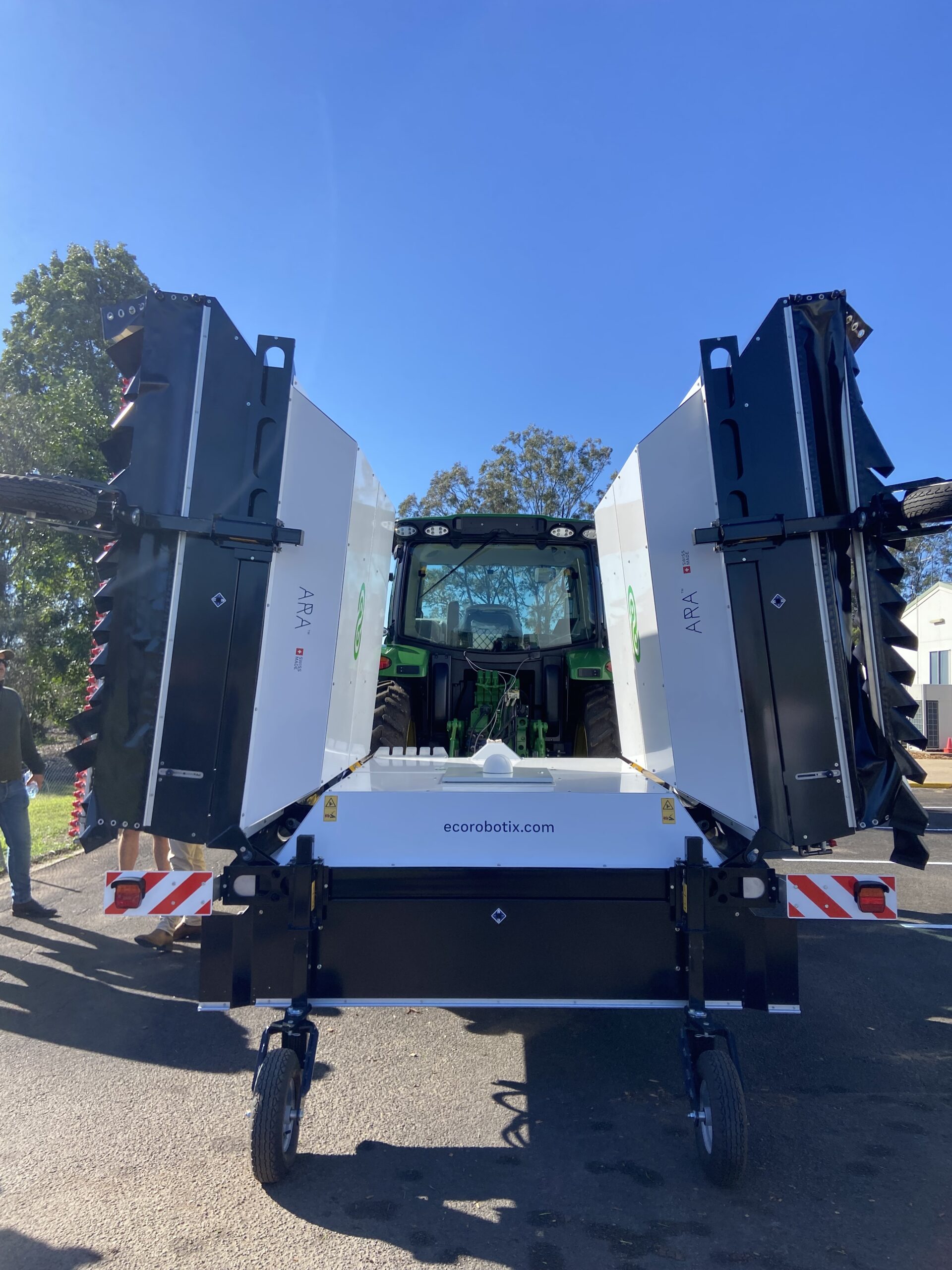
ARA can apply selective or nonselective
herbicides, fungicides, insecticides, and biostimulants with pinpoint accuracy.
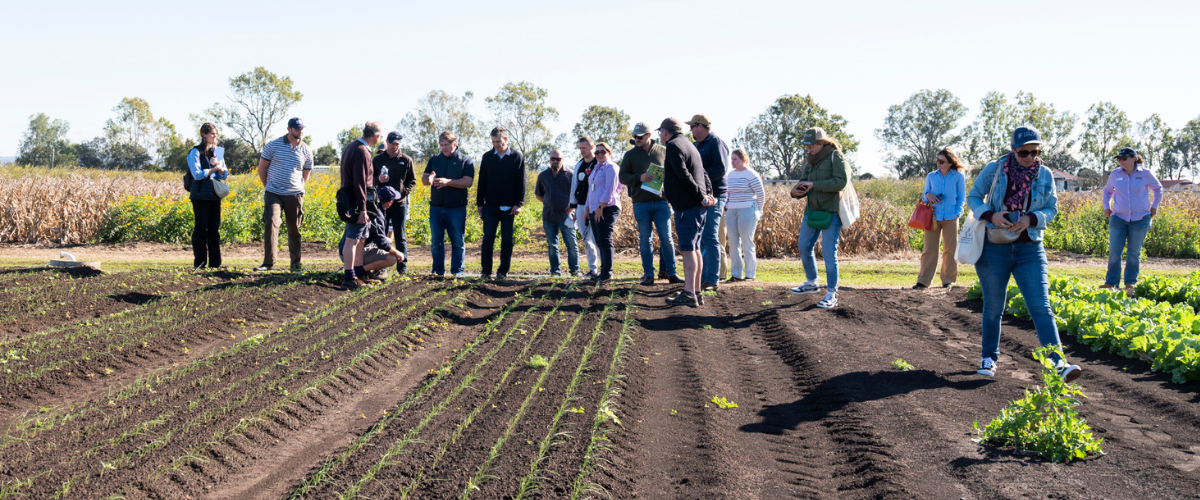
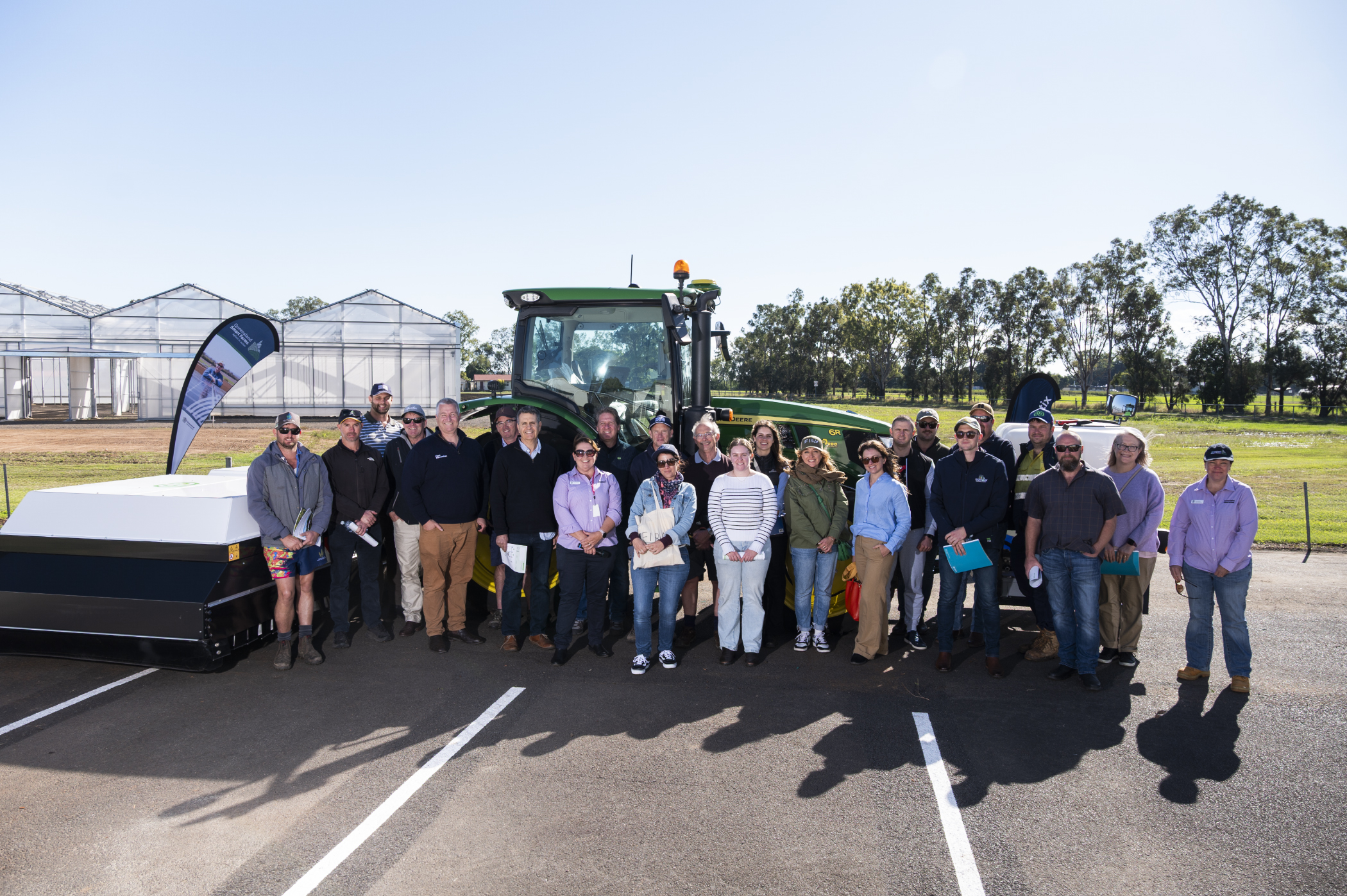
The tour brought growers face-to-face with new technologies, research, and farming innovations aimed at tackling some of the biggest challenges facing onion production in Australia, including extreme weather conditions, disease pressures, and rising input costs. The tour also provided an opportunity for growers to engage in cross-regional discussions, exchanging insights and approaches to improve production and address shared industry challenges.
The first stop was the Gatton Smart Farm, where growers witnessed the ARA smart sprayer from Ecorobotix in action. ARA is designed to reduce chemical use by up to 95 percent through ultra-precise, plant-by-plant spraying.
By recognising individual onion plants and weeds via an AI-driven camera, ARA can apply selective or non-selective herbicides, fungicides, insecticides, and biostimulants with pinpoint accuracy. ARA has been found to reduce spray drift by 95 percent due to nozzle action being close to the ground and through the presence of protective covers.
For onions, this means:
- Less crop stress – where foliage is particularly sensitive to chemical burn, ARAs precision helps reduce phototoxicity, avoid leaf burn and supports healthier tops, critical for bulb sizing and quality.
- Lower input costs – savings on chemical usage of up to 96 percent have been recorded, depending on weed pressure and crop growth stage, due to spray algorithms, contributing to more sustainable farming practices.
- Versatility – ARA is able to operate day or night and can cover up to 96 hectares every 24 hours ensuring growers can hit key spray windows.
The second stop brought the group into the laboratory at Metagen AU, where the focus turned underground. Metagen’s work helps growers assess and boost soil microbial activity, which plays a crucial role in reducing the severity of diseases and improves overall crop health. By testing for beneficial microbes and soil function, growers can tailor nutrition programs, use biological inputs, and make more informed decisions about crop rotations and soil amendments.
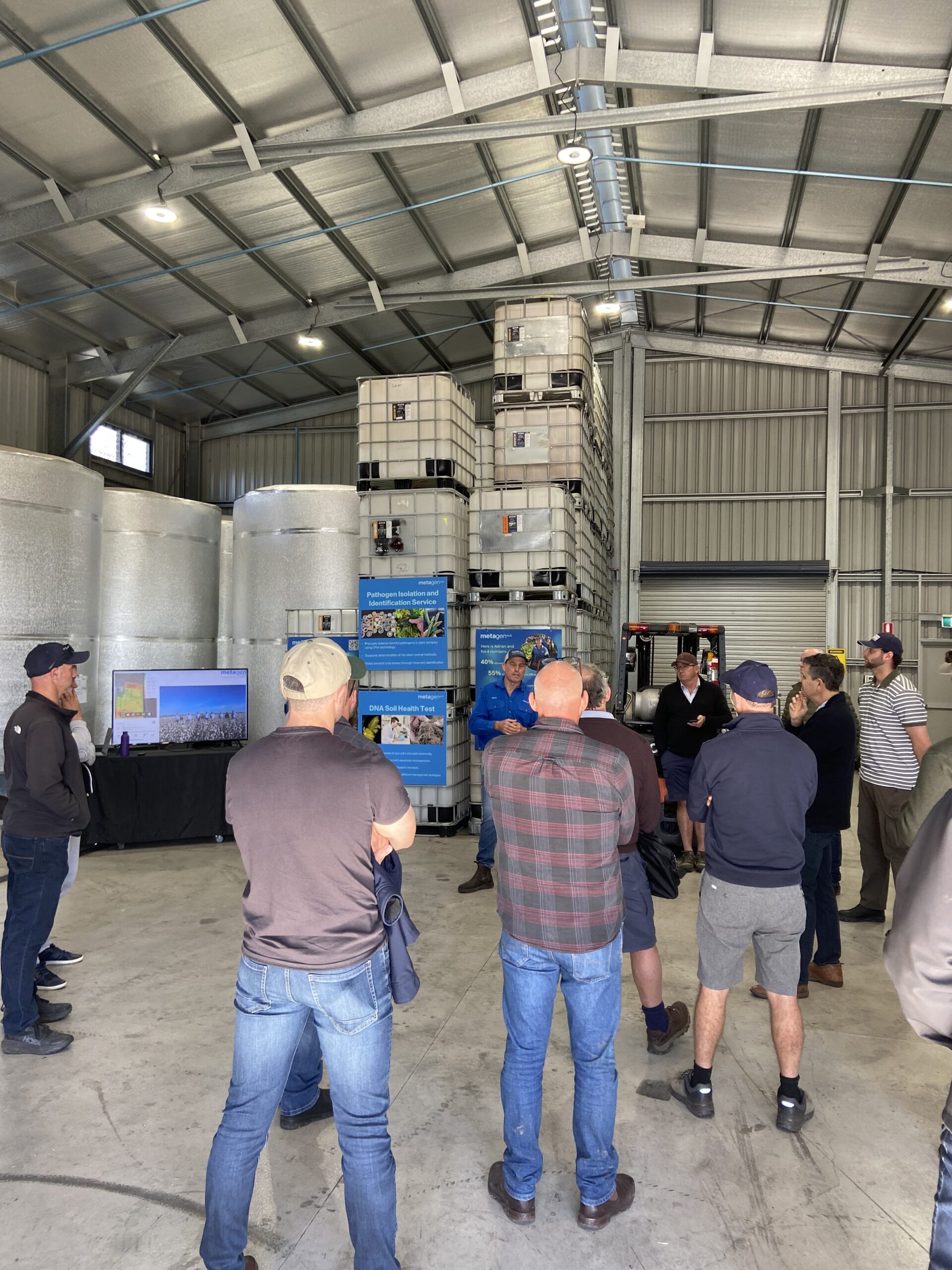 The discussions at Metagen highlighted how biologically active soils support stronger root systems and healthier foliage, creating a more resilient farming system.
The Lockyer Valley has faced an increasingly volatile climate in recent seasons. Extended wet periods have delayed on-ground operations, increased canopy humidity, and made it harder for grower to maintain preventative spray schedules. These conditions, followed by rapid drying and high heat has created the perfect storm for a rise in fungal plant pathogens such as Verticillium wilt in potatoes and Stemphylium leaf blight in onions.
At our final stop, Wickham Farms, fourth-generation grower and mechatronic engineer Bryce Lamb discussed with the group how the business is responding to these challenges to stay adaptive and competitive.
 After experiencing significant issues with Verticillium wilt in their potato crops, Wickham Farms partnered with the Queensland Department of Primary Industries (QDDPI) to trial biofumigant cover crops, funded by the Department of Environment and Science. Two biofumigant varieties BQ Mulch and Caliente, were planted to assess their ability to suppress Verticillium dahliae in the soil.
Soil DNA testing showed that Verticillium dahliae inoculum levels dropped to concentrations unlikely to impact future potato crops after the first season of biofumigant cover cropping. The recommended safe 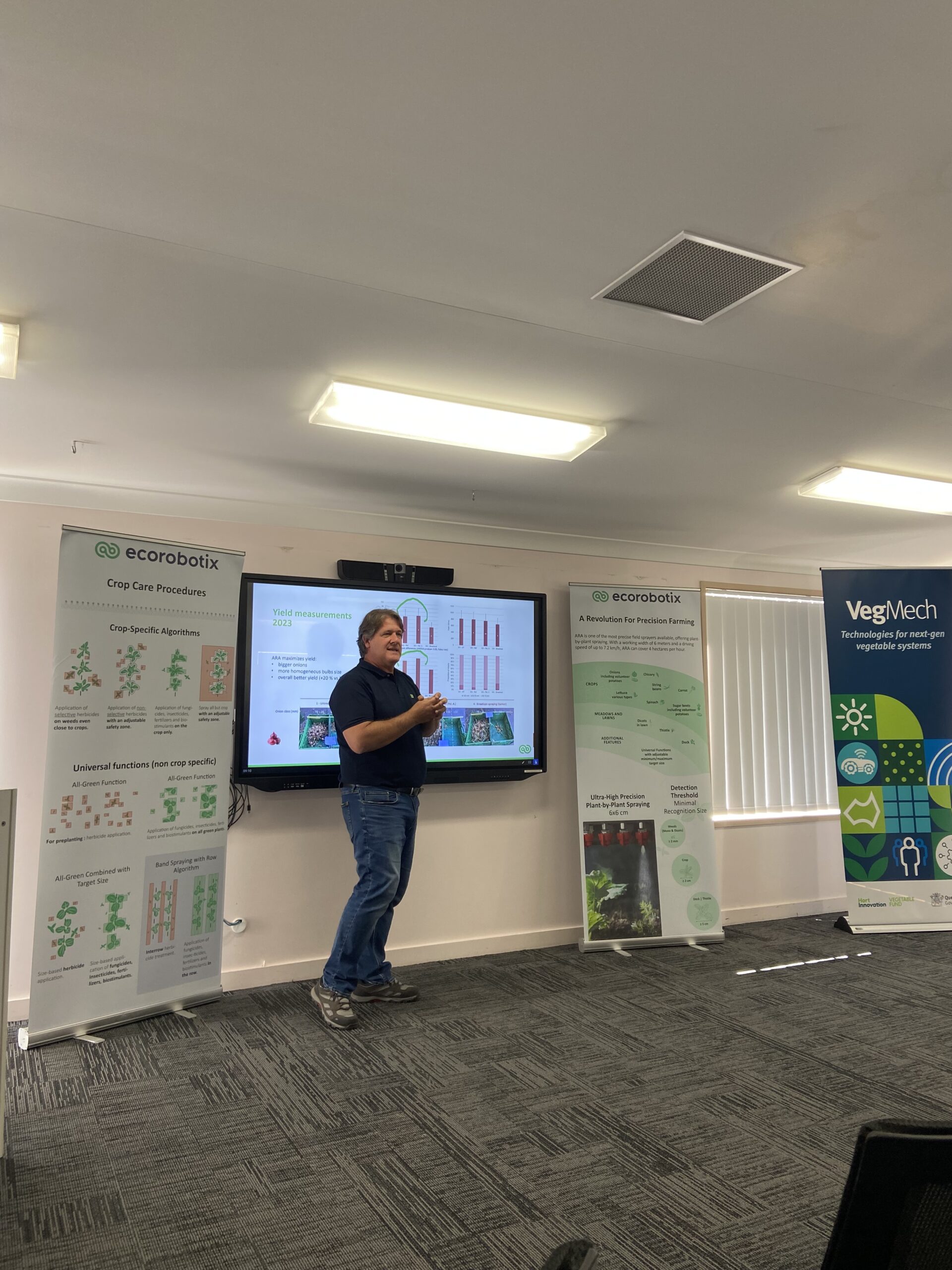 threshold for this pathogen is around 10 pgDNA per gram of soil. Before biofumigation, all trial sites exceeded this threshold by eight to 140 times. After just one season of biofumigant cover cropping, most sites re-tested below the threshold, with soil DNA levels reduced by 92 percent with BQ Mulch and 97 percent with Caliente compared to pre-trial levels.
These results demonstrate how biofumigant cover cropping can be a powerful tool for reducing soilborne disease pressures and protecting crop health.
Wickham Farms focuses on efficiency, sustainability and value-adding through innovation. Their HandcutHarvest line, a retail-ready range of peeled, sliced, and diced onions, potatoes, sweet potatoes and pumpkins highlights this. Using advanced thermoforming technology, they deliver fresher produce with longer shelf life, turning paddock to plate into a convenient reality for consumers, living up to their motto of “let us do the preparation for you”.
The Onion Farm tour, delivered under the Onion Extension Project in partnership with VegNET 3.0, provided a valuable opportunity for growers across Australia to connect, share insights with their peers, and explore opportunities that can help them thrive in a changing environment.
The Onion Farm Tour was made possible through the generosity of Wickham Farms, Metagen AU, and the VegMech team at the Gatton Smart Farm. A big thank you to all of those who shared their expertise and insights.