


VegNET NT: VegNET in the NT 2026 Tours, farm trials, and grower meetings
3 March 2026
VegNET Gippsland: From closure to opportunity Maffra jobs expo responds to Dicky Bill’s shutdown
3 March 2026
Reading Time: 4 minutes
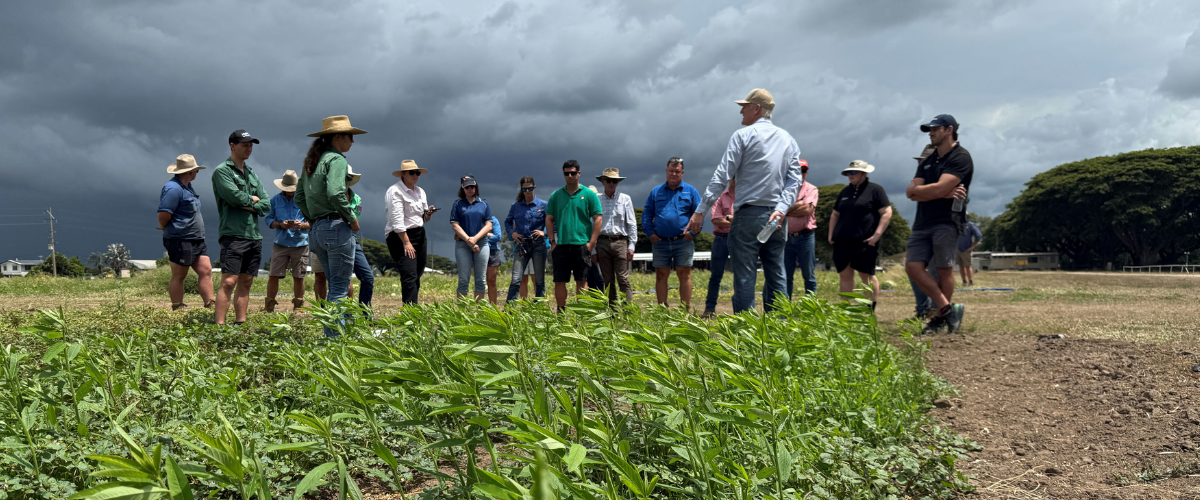
In the North Queensland region, growers operate in a highly variable climate where long dry periods are often followed by intense rainfall events. These conditions place pressure on soils, increasing the risk of compaction, poor infiltration and run-off when heavy rain arrives. Managing soil health is therefore critical, not only for crop productivity, but for keeping water, nutrients and soil where they belong: in the paddock.
 The WaterWise Together Initiative was an 18-month peer-to-peer project delivered through a collaboration between the Bowen Gumlu Growers Association (BGGA) and the Queensland Department of Primary Industries (DPI). The project supported growers in the dry tropics to improve soil condition and reduce run-off of sediment, nutrients and chemicals during high rainfall events, while making more efficient use of inputs such as irrigation, fertiliser and crop protection products.
Soil health as a risk-management tool
In the dry tropics, soil health is being more and more closely linked to risk management. Bare, hard-set or compacted soils shed water quickly during storms, carrying soil and nutrients with them. By contrast, well-structured soils with good biological activity absorb rainfall more effectively, reduce erosion, and store moisture for later use.
WaterWise Together focused on practical ways growers could improve soil structure, organic matter, and infiltration – helping soils cope better with both dry conditions and sudden rainfall.
Practical, locally relevant learning
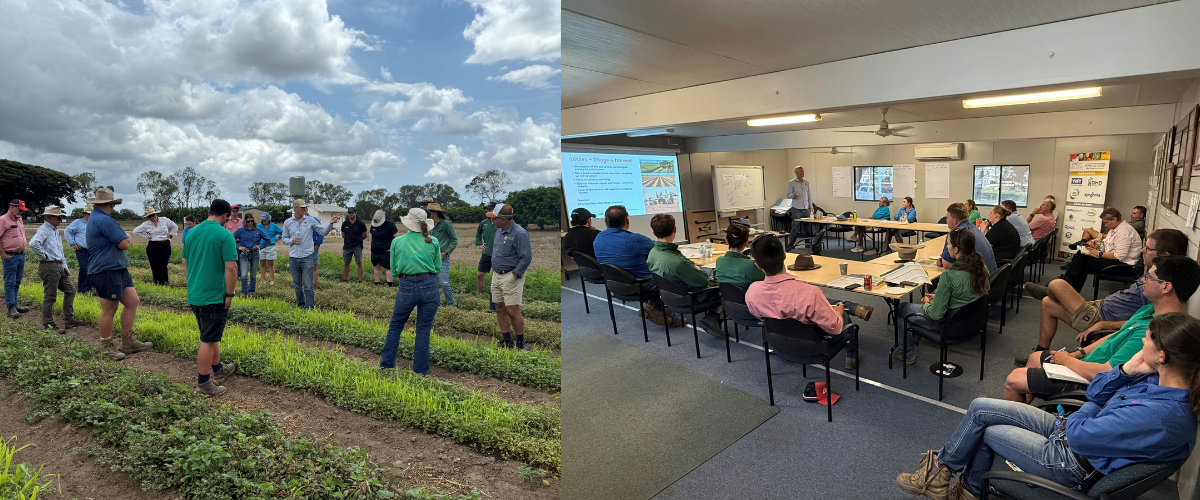
A key strength of the initiative was its peer-to-peer design. Growers connected with each other during field walks and workshops that were specifically designed to encourage question and answer sessions and open, candid conversation between growers across the Bowen-Burdekin district. These conversations allowed participants to compare approaches across different soil types, crops and irrigation systems, and to see firsthand how soil-focused practices performed under local conditions.
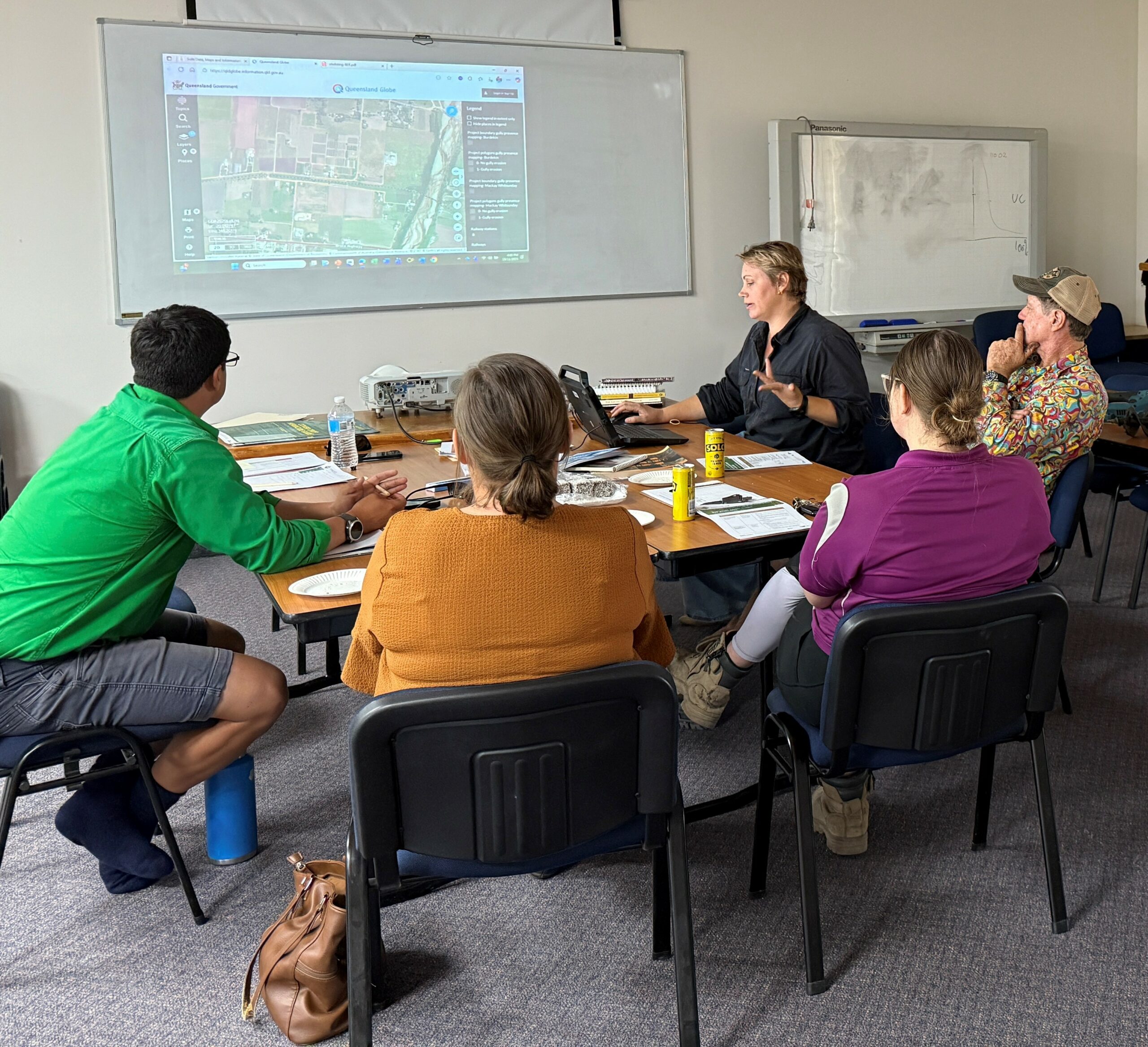
Growers worked directly with technical officers, including Billie White, Farmacist, and Sarah Limpus, DPI, to collect their own soil and irrigation water samples for analysis and interpretation. This process was crucial for growers to understand how their soil structure and chemical composition, and irrigation water impacts the performance of plants, nutrient and chemical inputs, leading to more efficient irrigation management. Approaching research and technical officers in the industry provides expert evidence-based results and recommendations while allowing grower-led discussions regarding realistic implementation of recommendations within commercial production systems.
Workshops held in March and November last year provided important insights into understanding soils, their characteristics, and how they act when wet so growers can better understand their soil types. Cover-cropping has been a highly discussed topic and the November workshop with Dr Kelvin Montagu from Applied Horticulture Research (AHR)/Soil Wealth took a deep dive into the theory, practice and crop varieties that help to keep soil integrity over the summer and set the paddock up for the next crop cycle. This workshop facilitated discussion between growers, agronomists and industry as to the availability of cover crop seeds and equipment, and highlighted regional factors that would need to be considered for planning to implement a cover crop. This discussion and the following peer-to-peer session suggested that growers are interested in incorporating this practice change where and when possible.
Given the dry environment of the region, growers were interested in understanding how they could better manage their moisture and irrigation. Healthier soils hold moisture better, but a big topic in a region without an abundance of water is irrigation scheduling. Soil moisture probes were integrated into their irrigation management to address the needs of the plants in different soil zones. This has saved water in the heavier soils, and the increased irrigation in the lighter soils has seen much healthier and productive plants.
 Productivity benefits first
For participating growers, the primary motivation was maintaining productive, resilient soils in a challenging climate. By keeping nutrients and moisture in the root zone, soil-health improvements help reduce input losses and support stronger crop performance.
Reduced run-off was a natural outcome of these changes – delivering environmental benefits while remaining firmly grounded in on-farm productivity and profitability.
Long-term resilience for the Dry Tropics
The WaterWise Together Initiative demonstrated that focusing on soil health is one of the most effective strategies available to dry tropics growers to manage rainfall variability and run-off risk. Grower-led collaboration, supported by sound technical advice, allowed practical solutions to be tested and adopted at a paddock scale.
By investing in healthier soils today, North Queensland growers are building more resilient farming systems – systems that better withstand extreme weather, make smarter use of inputs, and reduce the movement of soil and nutrients off-farm.
On-farm changes that matter
Self-assessments compared the participant’s before and after scores and showed that 100 percent of participants changed their practices through WaterWise. Some growers focused on improved irrigation management, while others incorporated a cover crop or utilised leaf and soil sampling techniques for targeted plant nutrition.
Across the project, growers had access to trials and research on a range of soil and water management practices aimed at improving infiltration and reducing runoff risk, including:
- Maintaining groundcover and grassy inter-rows to protect soil during wet season rainfall
- Adjusting traffic and cultivation practices to reduce compaction
- Improving irrigation scheduling to match soil and plant requirements
- Better aligning nutrient applications with crop demand and soil condition
- Using soil amendments to improve aggregation, infiltration, and biological function
Importantly, healthier soils also supported more consistent crop growth and improved efficiency of water and nutrient use.