


Emerging technologies in action at the 2026 TAPG Ag Innovation Expo
28 August 2026
Australian Onions: From pantry staple to flavour obsession Spring 2026
31 August 2026
Reading Time: 4 minutes
From cutting-edge automation to tackling herbicide-resistant weeds, the opening day of Hort Connections 2026 gave industry participants a firsthand look at the innovations, challenges and opportunities shaping South Australian vegetable production.
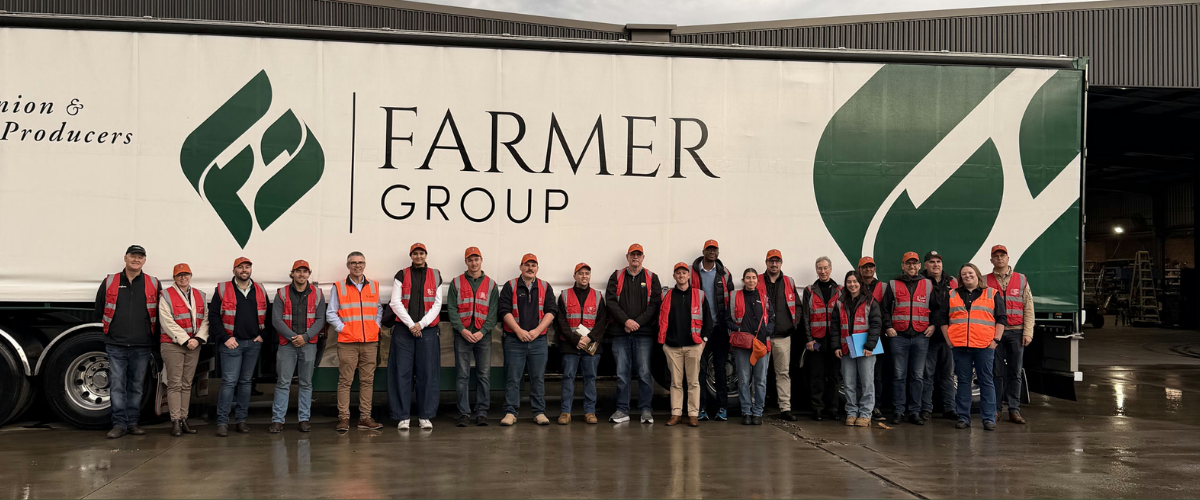
The first day of Hort Connections 2026 kicked off with a series of farm tours exploring all aspects of vegetable production in South Australia. The onion and potato tour brought together 18 growers, agronomists, students and industry members from across the country for an in-depth exploration of key production systems and emerging industry challenges.
The tour visited Farmer Group and Ridenti Farms in the Adelaide Plains, where participants gained valuable insights into commercial onion and potato operations, and headed to the University of Adelaide’s Waite Campus to learn about the intricacies of weed management and chemical trials at work.
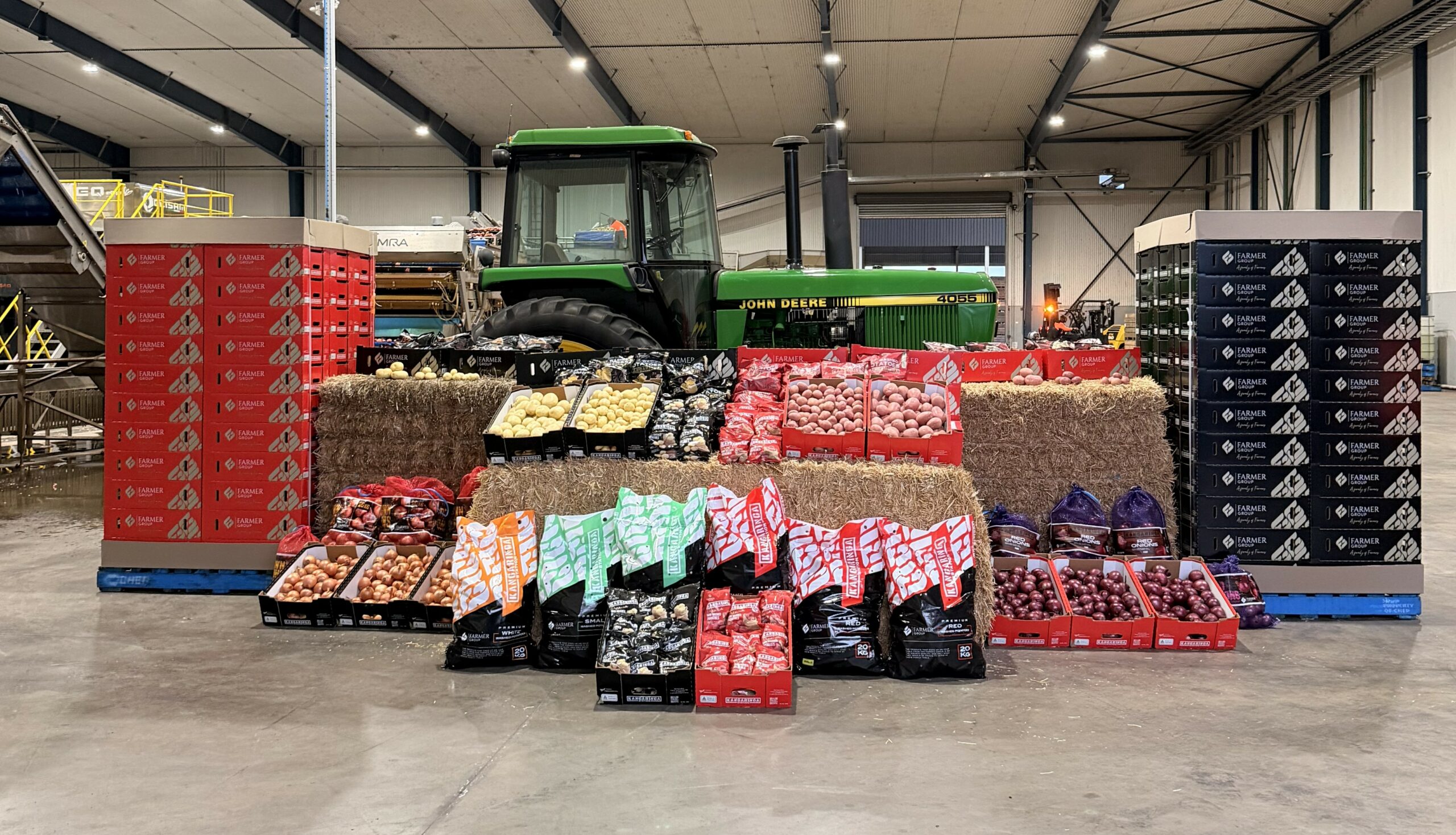
Virginia Farm Produce. Produce on display
Virginia Farm Produce
The first stop was Virginia Farm Produce, Farmer Group’s onion and potato processing facility. A peek inside the expansive packing shed revealed an impressive array of washing, sorting and packing machinery, showcasing the scale and sophistication of the operation.
The Farmer family has been producing quality produce since 1956, building a business that has grown into one of Australia’s largest potato-growing enterprises. While potatoes and onions remain the cornerstone of the operation, the business also manages an almond orchard as well as livestock operations.
In recent years, the Farmer Group has invested heavily in automation, with a strong focus on improving efficiency and reducing reliance on manual labour. The impact has been significant, with daily potato processing capacity increasing from around 200 tonnes to roughly 350 tonnes.
For growers attending the tour, the visit provided valuable insight into how emerging technologies can help address ongoing challenges such as labour shortages and rising workforce costs. The highly automated facility offered a practical example of how innovation is helping drive productivity and shape the future of agriculture production.
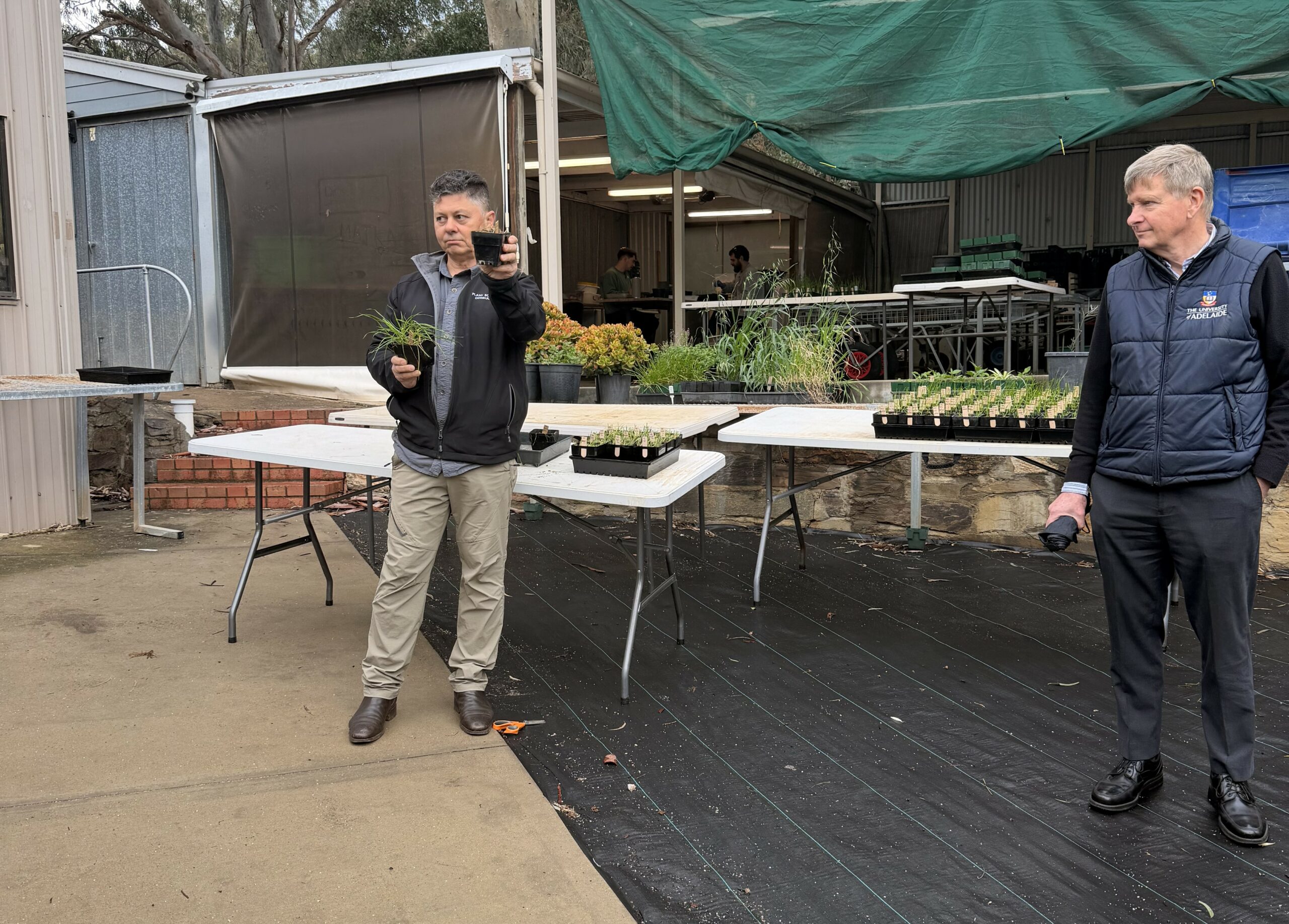
Adelaide University: Dr Chris Preston and Peter Boutsalis. Weed testing.
Adelaide University
The tour then made its way down to Adelaide University’s Waite Campus, where Dr Chris Preston and Peter Boutsalis of Plant Science Consulting led a discussion on the challenges of herbicide resistance in annual ryegrass.
Through collecting and testing weed samples, they have been able to determine the level of resistance to chemicals and products as well as how quickly this resistance can advance. Key challenges include persistent seed banks and the spread of stacked resistance genes through cross-pollination.
To help manage resistant populations, Dr Preston outlined several control strategies, including reducing the population size of the ryegrass – a smaller population of resistant ryegrass is easier to handle than a large one! He noted that sowing crops in the weediest paddock first is favourable as this serves as competition for the ryegrass seed bank, whilst rotating herbicide modes of action and not overusing chemicals remains paramount to slowing resistance development. Careful herbicide use and effective management of surviving plants remain critical to slowing the development of resistance.
The session resonated strongly with growers on the tour, many of whom reported ongoing challenges managing ryegrass in their own operations.
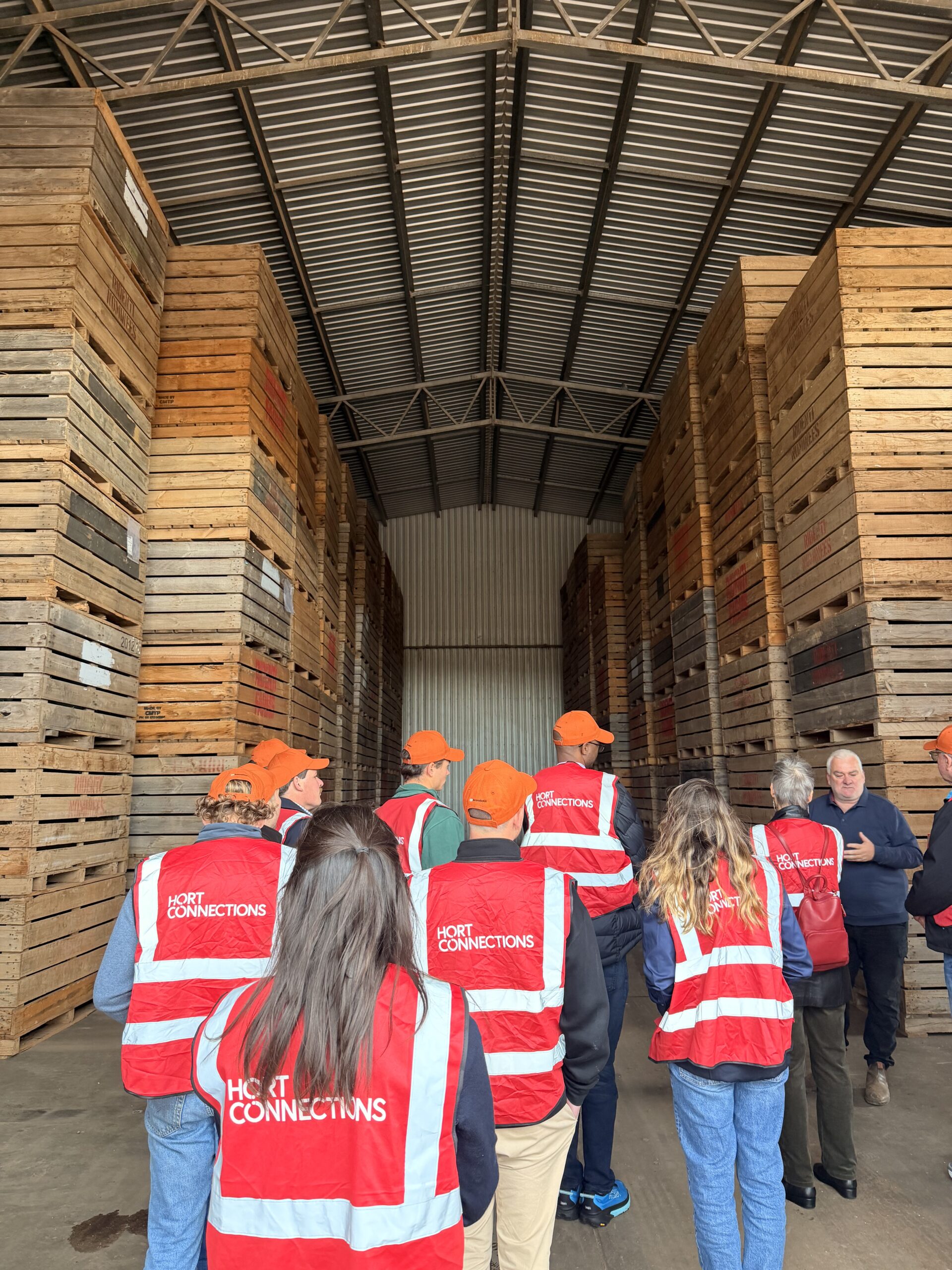
Ridenti Farms: Tour group
Ridenti Farms
The visit to the Ridenti Farms was a timely follow-on from the discussions around herbicide-resistant ryegrass, with the conversation continuing inside the farm’s packing facility. Owners Sid and Joe Ridenti welcomed the group and shared the history of their family business, which was founded in 1957 producing potatoes and onions.
Reflecting on the early days of hand-packing produce and growing their own seed potatoes, the brothers described the steady evolution of the business. While they’ve “always done things slowly”, the operation has expanded significantly over the years, including the development of its own packing facility to improve efficiency and marketability.
The candid chat was all that was needed to get a sense of the genuine passion and the core values upon which the business is built. Like all growers, however, they face ongoing challenges, particularly in pest and disease management. Target spot in potatoes, downy mildew in onions and herbicide-resistant ryegrass have all presented significant hurdles.
The ensuing discussion involved tour participants sharing their own experiences, management strategies and potential solutions to common industry challenges. The open exchange of knowledge highlighted the strength of collaboration and the willingness of growers to support one another in tackling common yet complex issues.
Insights and Industry Connections
The tour provided a great opportunity to get detailed operational insights which were accompanied by the chance to have face-to-face discussions with likeminded participants. Throughout the day, attendees engaged directly with growers, researchers and industry experts, fostering lively conversations and the exchange of practical ideas on the realities of vegetable production.
As a lead-in to Hort Connections, the tour highlighted the importance of innovation, collaboration and knowledge sharing in driving the future success of Australia’s horticulture sector.
We extend a special thank you to Farmer Group, Ridenti Farms, and the University of Adelaide for generously sharing their operations, facilities, and expertise with us.