


Helping grow the people behind Australia’s potato industry
31 August 2026
Two decades of learning: How New Zealand’s TPP experience can help Australia prepare
31 August 2026
Reading Time: 4 minutes
By transforming second-grade potatoes into premium spirits, Hellfire Bluff Distillery is adding value to its crop, cutting waste and building a more resilient farm business.
From potato farming to premium spirits
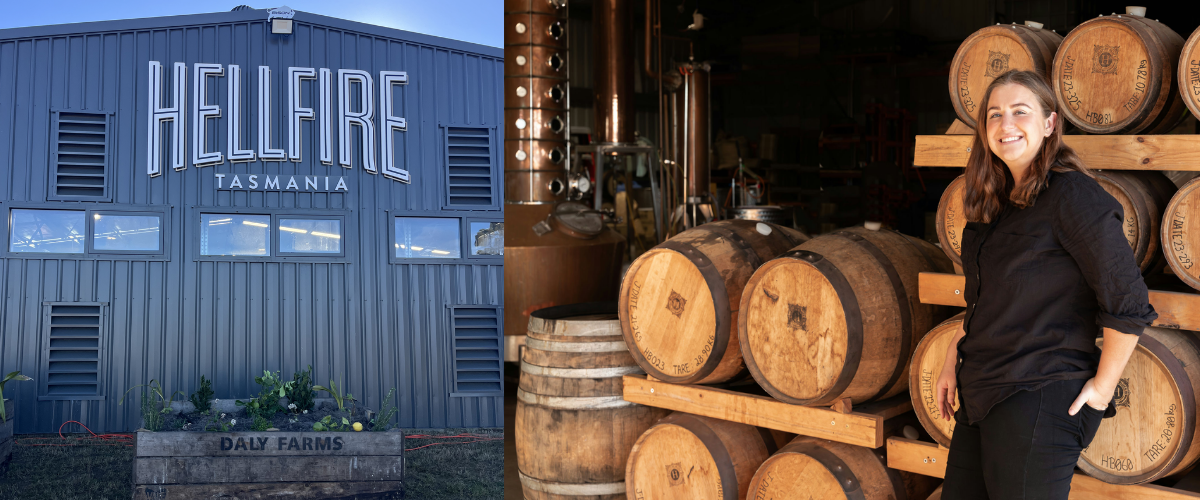
Hellfire Bluff Distillery was founded by the owners of Daly Farm, a family-owned fresh market potato farming business.
“We supply potatoes through to major supermarkets in Tasmania, that’s our core business,” Business Manager Ruby Daly shared.
“Our parents started the business over 40 years ago. They are first generation potato farmers and have built the business up to what it is today.”
The company supplies a range of fresh potato lines to major supermarkets and continues to expand its market opportunities.
“We work really closely with the Spudlite team on the mainland because we do see that potatoes are growing exponentially in that low-carb space,” Daly explained.
“So that’s our core focus at the moment. Potatoes haven’t really evolved much in the fresh market space, so to have a new exciting avenue is really great and gives us a bit of motivation to keep moving forward in the potato space.”
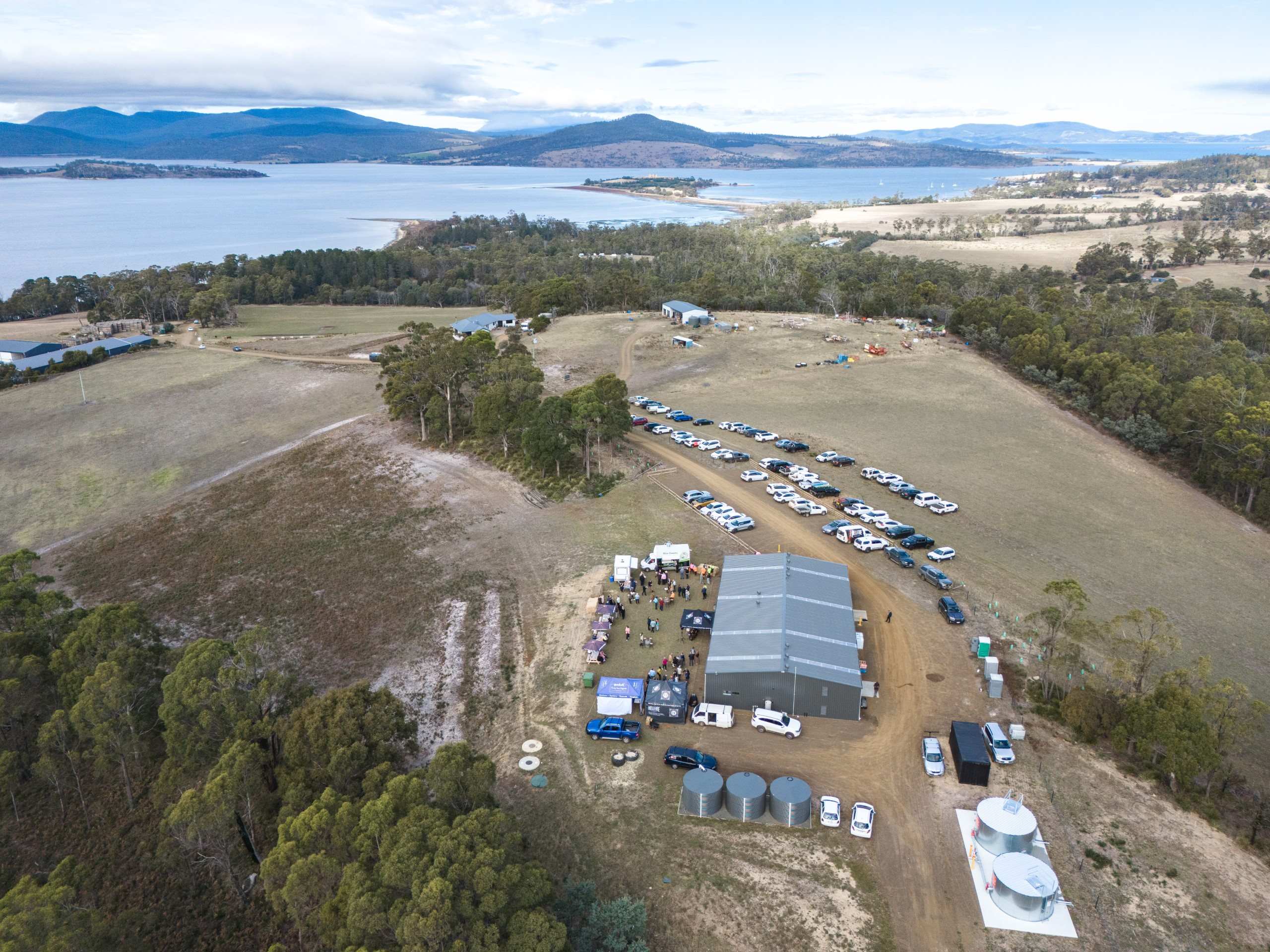
Hellfire production facility
A new era of farm innovation
As the second generation takes on a greater role in the family business, they have also explored other opportunities to diversify. That led to the establishment of Hellfire Bluff Distillery, where they produce potato-based vodka alongside a range of other spirits.
The distillery recently celebrated its 10th anniversary and has just built a brand-new state of the art facility which has tripled its production capacity. The Daly family also hopes to build a restaurant on the property in the near future.
“We’re very busy in that space and it allows us to show people where all their food comes from as well. We’re bringing people onto the farm and showing them the whole paddock-to-bottle experience, which is really nice,” Daly said.
By offering this on-site experience, the distillery is tapping into the growing trend of agritourism, providing an additional income stream while increasing mindfulness of where food and drink come from.
“It has shown us really great promise in terms of diversification and how important it is that farms diversify into different avenues. Our farm isn’t so reliant on one sole income stream anymore,” Daly added.
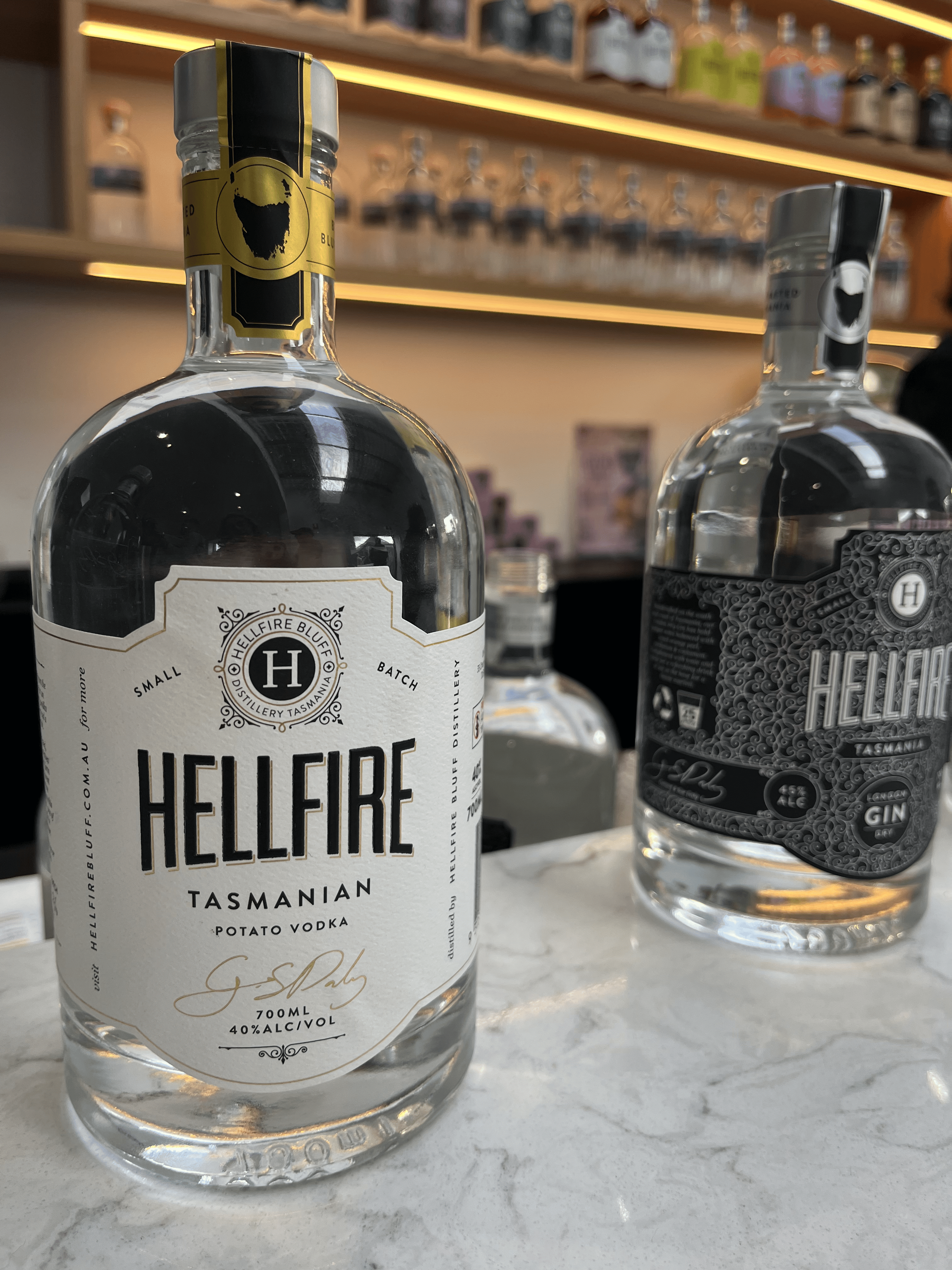
Hellfire potato vodka.
Making every potato count
The Daly Farm harvests potatoes year-round, supplying fresh produce 52 weeks of the year. Because the farm harvests to demand, potatoes that do not meet first-grade standards create a natural waste stream.
But now, rather than going to waste, those second-grade potatoes are sent to the distillery, where they are fermented and distilled into vodka.
The process is a relatively rare one in Australia, with few producers still making vodka from potatoes.
“We are one of the only ones in Australia doing it,” Daly said.
“Less than one percent of the world’s vodka is made with potato. The majority of vodka is made from grain or sugar cane ethanol.”
“So, when we make it from potatoes, it’s super unique and there’s probably a reason why not many people are doing it. It’s super inefficient. It’s about 15 kilograms of potato per bottle.”
“But we’re obviously lucky because we’ve got access to the potatoes, so it’s easy for us to do. You’d be mad to do it if you weren’t potato farmers.”
Turning waste into opportunity
A big motivator for the distillery is eliminating waste by ensuring the whole crop system is used.
“We were throwing out 20 percent of each crop because they weren’t pretty enough to sell to the consumer,” Daly said.
“Second grade doesn’t necessarily mean that they’re bad potatoes. It’s just that they’re not fit for what a consumer would expect to see on a supermarket shelf.”
The focus on reducing waste has also changed the way the business manages its byproducts. Any potato that isn’t used in the distillery is now fed to the cows through a feedlot system.
“We’re big drivers of ensuring that no potato gets wasted anymore. Whatever we put in pretty much has a use at the end, which is great.”
Daly knows firsthand how devastating it can be for growers to see so much produce go to waste.
“It’s absolutely awful. We know how much time and effort and money goes into growing crops. So, when you see waste that doesn’t have a value to it, it’s absolutely devastating,” she said.
Her advice to other growers is to explore different opportunities and not be afraid to find new uses for waste products, because there may be someone looking for exactly that byproduct.
“We’ve got a strawberry farm very close to us, and she had waste strawberries. And I said to her, why don’t we turn that into a strawberry gin? And now that’s what we do with her waste strawberries,” Ruby shared.
“Reach out to your network and your community, you never know where you might find an avenue to utilise your waste.”