


Staying ahead of antimicrobial resistance (AMR): Protecting Australian levy vegetable crops and markets
31 August 2026
VegNET National: VegNET at Hort Connections 2026
31 August 2026
Reading Time: 4 minutes
In the last issue we explored why biosecurity matters and how every grower plays a role in protecting Australia’s vegetable industry. But what would actually happen if an exotic pest or a pest new to the region was detected?
While exotic plant pest incursions are uncommon, being prepared helps growers know what to expect and understand why early reporting is important. The following hypothetical scenario shows how Australia’s emergency plant pest response system works and the steps that follow once a suspect exotic pest is reported.
The scenario
It’s November, and vegetable growers across Victoria are preparing for peak spring production, with crops being harvested and supplied to domestic markets.
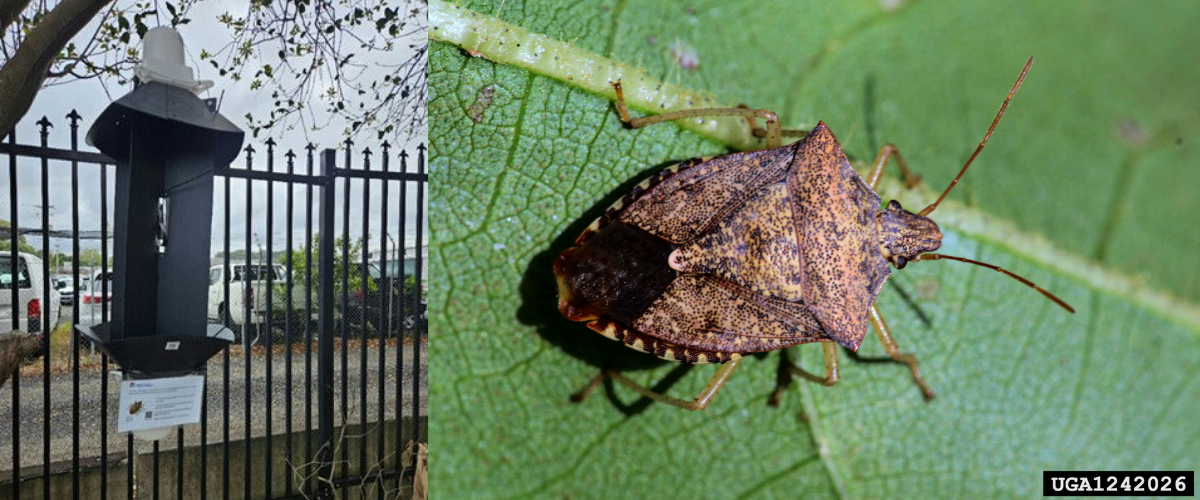
As the industry representative for biosecurity matters, AUSVEG receives a phone call that a suspect brown marmorated stink bug has been found in West Gippsland. Subsequently, AUSVEG receives an email from the secretariat of the Consultative Committee on Emergency Plant Pests (CCEPP) titled “For Action – Suspect Report of Brown Marmorated Stink Bug (BMSB) in West Gippsland.” A meeting to discuss the detection has been scheduled for 9am the following day.
The lead up
A resident in West Gippsland receives an online order from East Asia. While unpacking the parcel, they notice an unfamiliar insect hiding amongst the packaging.
Unsure what it is and concerned that it may be an exotic pest, they photograph the insect and report it to the Exotic Plant Pest Hotline (1800 084 881).
The sample is sent to the state diagnostic laboratory for identification where initial examination suggests the insect may be BMSB – one of Australia’s high-priority exotic pests.
Although laboratory confirmation is still pending, biosecurity authorities immediately begin preparing for a possible emergency response.
The news spreads
AUSVEG activates its emergency response procedures and begins coordinating communications with industry, the Australian Government Department of Agriculture, Fisheries and Forestry (DAFF), Agriculture Victoria and other affected industry bodies.
Growers in other states are calling for strict movement controls to protect their industries, while growers within the quarantine area are seeking clarity on how restrictions will affect harvest, transport and market access.
As harvest and supply continue, growers have major orders to fulfil, and much of the produce is highly perishable with limited alternative market options. Businesses across the region, including tourism operators, are becoming increasingly concerned about the potential economic impacts. Anxiety across the affected region continues to grow.
Agriculture Victoria is leading the response with teams being deployed to the detection site and surrounding areas. Quarantine areas are established in West Gippsland and the movement of host material, machinery and other risk items within the affected area is restricted while surveillance, monitoring and tracing activities commence.
Monitoring activities include the placement of traps and lures, inspections of nearby residential and commercial properties, sweep netting, and targeted treatment of host plants where required.
Agriculture Victoria is also undertaking tracing activities to determine the likely source of the pest (trace back) by interviewing growers, workers, residents and businesses to identify any locations where it may have spread (trace forward).
As the response progresses, industry bodies and government agencies need to identify which vegetable crops are being grown across the affected area in West Gippsland to understand the potential impact on both member and non-member growers. With a diverse mix of vegetable production and other host crops throughout the region, accurately identifying all affected businesses will be challenging. Access to up-to-date grower and production data is critical, and gaps in this information will slow efforts to define the scope of the incursion.
As BMSB has such a broad host range, responding to an incursion requires many industries to work together. Industries that could be affected by a hypothetical incursion in West Gippsland include:
- Australian Asparagus Council
- Australian Blueberry Growers’ Association
- AUSVEG
- Berries Australia
- Grain Producers Australia
- Grains Research and Development Corporation
- Greenlife Industry Australia
- Raspberries and Blackberries Australia
- Strawberries Australia
- Summerfruit Australia
These organisations are recognised as Affected Industry Parties under the Emergency Plant Pest Response Deed (EPPRD) and work alongside governments and Plant Health Australia throughout the response.
What happens next?
Will monitoring show these are isolated detections, or is BMSB already established in the region?
In the next issue we will follow the response as CCEPP determine whether eradication is feasible and explore what an emergency response could mean for vegetable growers and their businesses.
In the meantime, BMSB high-risk season has commenced, so stay vigilant and report any suspect detections to the Exotic Plant Pest Hotline (1800 084 881).
PEST PROFILE
Brown Marmorated Stink Bug
Halyomorpha halys
- The brown marmorated stink bug (BMSB) is a high-priority exotic plant pest which has the potential to economically and physically damage plants. It is a nuisance pest with a wide host range of over 300 different plant hosts, including many vegetable, fruit and ornamental crops, and can cause significant economic losses through crop damage and reduced marketability.
- While the pest is not established in Australia there are periodic detections, particularly through border detection programs. Unlike many pests, BMSB is also an excellent hitchhiker, commonly arriving on imported machinery, vehicles, packaging and household goods.
- If you think you see a BMSB, collect it in a container or sealed bag and store it in the freezer. Phone the Exotic Plant Pest Hotline 1800 084 881
DEFINITIONS
CCEPP
The CCEPP, under the Emergency Plant Response Deed (EPPRD) is the group responsible for considering all technical information relevant to an EPP and making recommendations to National Management Group on whether a response should proceed.
NMG
The National Management Group (NMG) uses CCEPP’s recommendations to decide whether a nationally coordinated eradication response should proceed under the EPPRD.
EPPRD
The Emergency Plant Pest Response Deed (EPPRD) is a government industry partnership outlining the national governance, management and funding of responses to Emergency Plant Pest (EPP) incidents.