


VegNET SA: Ten years of growing together
1 September 2026Video: Managing Herbicide Resistant Ryegrass
7 September 2026
Reading Time: 4 minutes
In August 2026, AUSVEG and VegWatch hosted Vegetables New Zealand Research & Development Manager Daniel Sutton for a four-part roadshow focused on Tomato Potato Psyllid (TPP) and Candidatus Liberibacter solanacearum (CLso), sharing key lessons from New Zealand’s experience managing these pests. Workshops were held across four states in Virginia (South Australia), Ballarat (Victoria), Devonport (Tasmania) and Lockyer Valley (Queensland). These sessions provided a valuable opportunity for growers, agronomists and industry to hear first-hand about the impacts that TPP and CLso have had on New Zealand’s potato industry, as well as the approaches being used to manage the pest and disease complex.
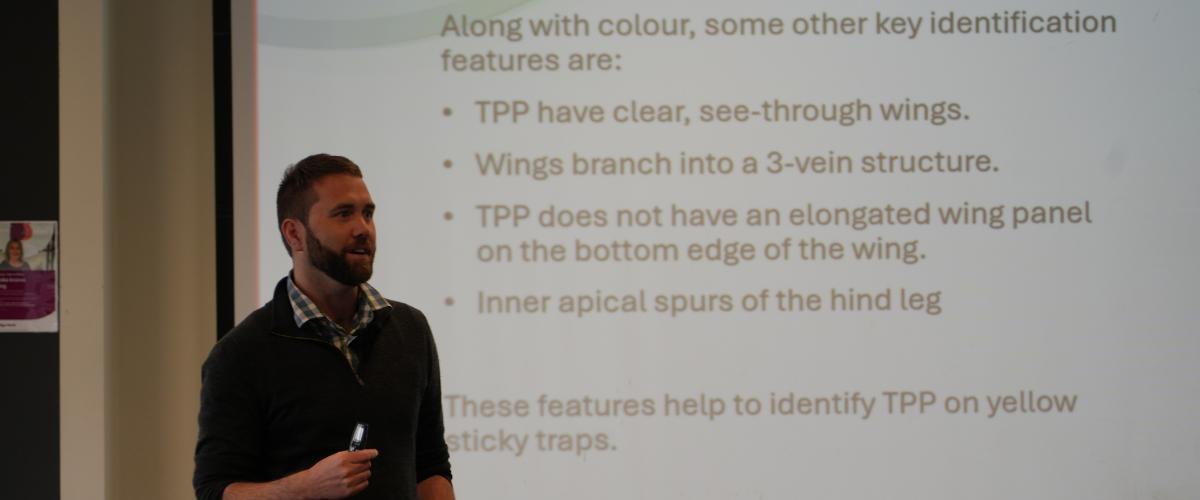
A key message from Daniel’s presentation was that while TPP can be managed, the presence of CLso substantially increases the challenges for growers and industry. In New Zealand, CLso has contributed to significant crop losses and compromised tuber quality, particularly in processing potatoes affected by zebra chip. Daniel emphasised that these impacts can extend beyond individual crops, creating broader challenges for growers, processors, and the long-term sustainability of the industry. Daniel covered TPP identification and biology, including how to distinguish TPP from other psyllid species and recognise its different life stages in the crop. He also outlined the range of host plants that can support TPP populations, highlighting the importance of considering crops, weeds and alternative hosts when assessing pest risk and developing management strategies.
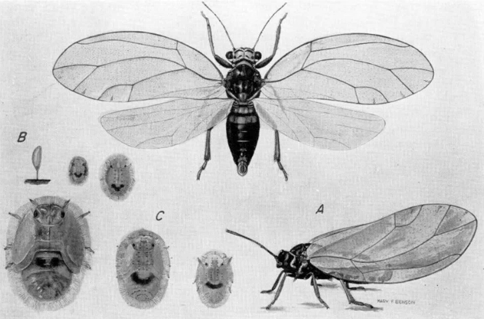
Figure 1 Life Cycle of Tomato Potato Psyllid: egg, five nymphal instars, and adult
The presentation explored a range of management approaches used in New Zealand, including insecticides, biological control, physical barriers and integrated pest management. Daniel detailed the role of beneficial insects in suppressing TPP populations, including natural predators such as lacewings, hoverflies, damsel bugs and ladybirds, as well as the use of the parasitoid Tamarixia triozae as part of New Zealand’s biological control program.
A strong focus was placed on the challenges of developing a more sustainable integrated pest management (IPM) approach. Daniel shared examples from New Zealand of efforts to reduce reliance on insecticides and make greater use of beneficial insects and biodiversity, while maintaining effective TPP management. The sessions also explored practical management options, and how approaches can differ between fresh-market, seed and processing production systems. Daniel highlighted the particular challenge of maintaining very low levels of TPP populations where the risk of CLso transmission is high, underscoring the need for further research into effective and sustainable management strategies.
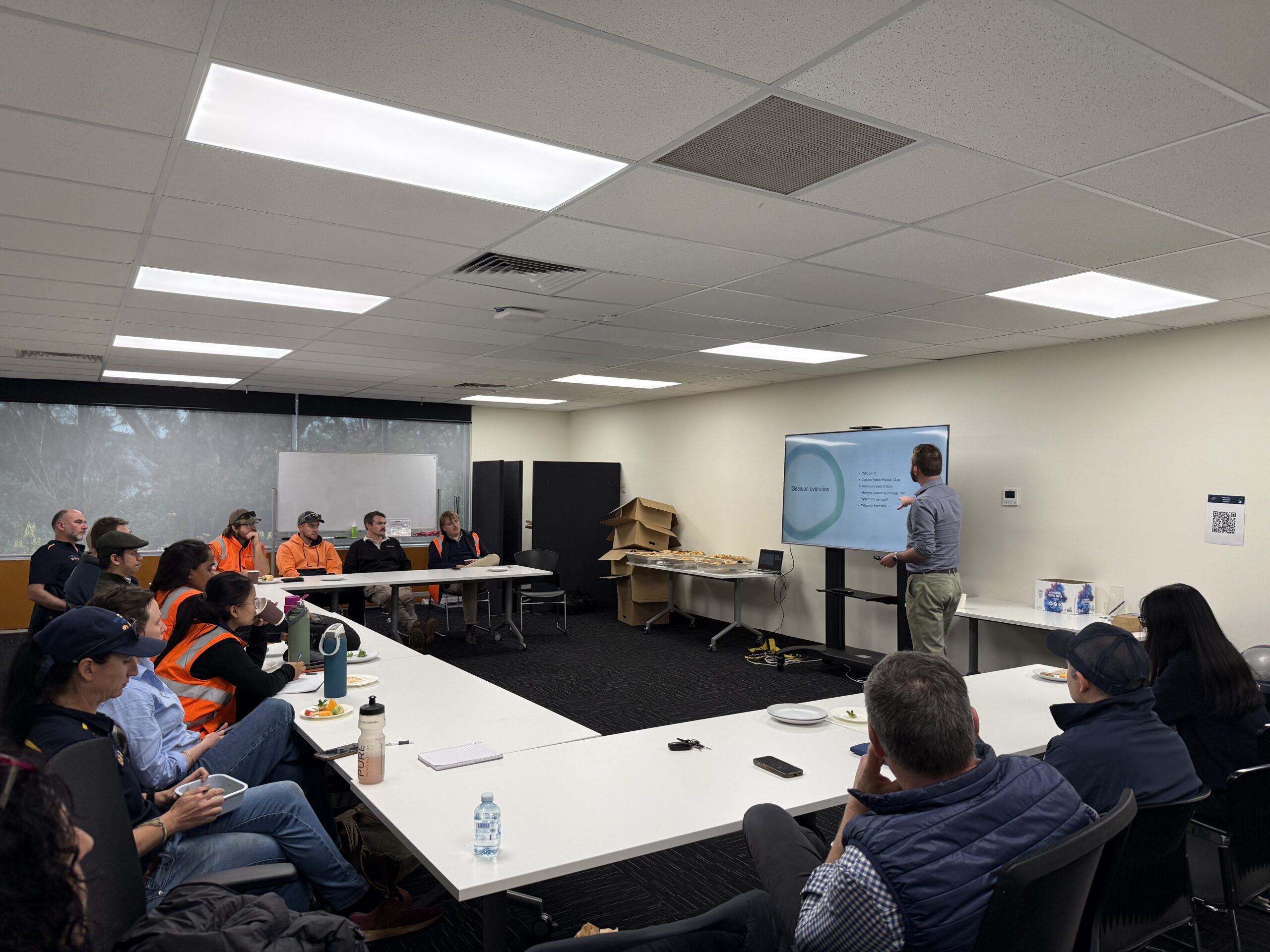
Workshop in Virginia, SA
A key message from Daniel’s presentation was, “If you can measure it, you can manage it.” Emphasising the importance of monitoring TPP populations and tracking changes over time to support informed management decisions.
VegWatch is conducting a TPP trapping program across Tasmania and Southeast Queensland where TPP has not been detected, to support ongoing monitoring, early detection and biosecurity preparedness. The surveillance program will provide valuable baseline information to help industry generate evidence of pest absence (i.e. collecting ‘zeros’) and support market access for vegetable growers. Early detection also increases the chance of early response.
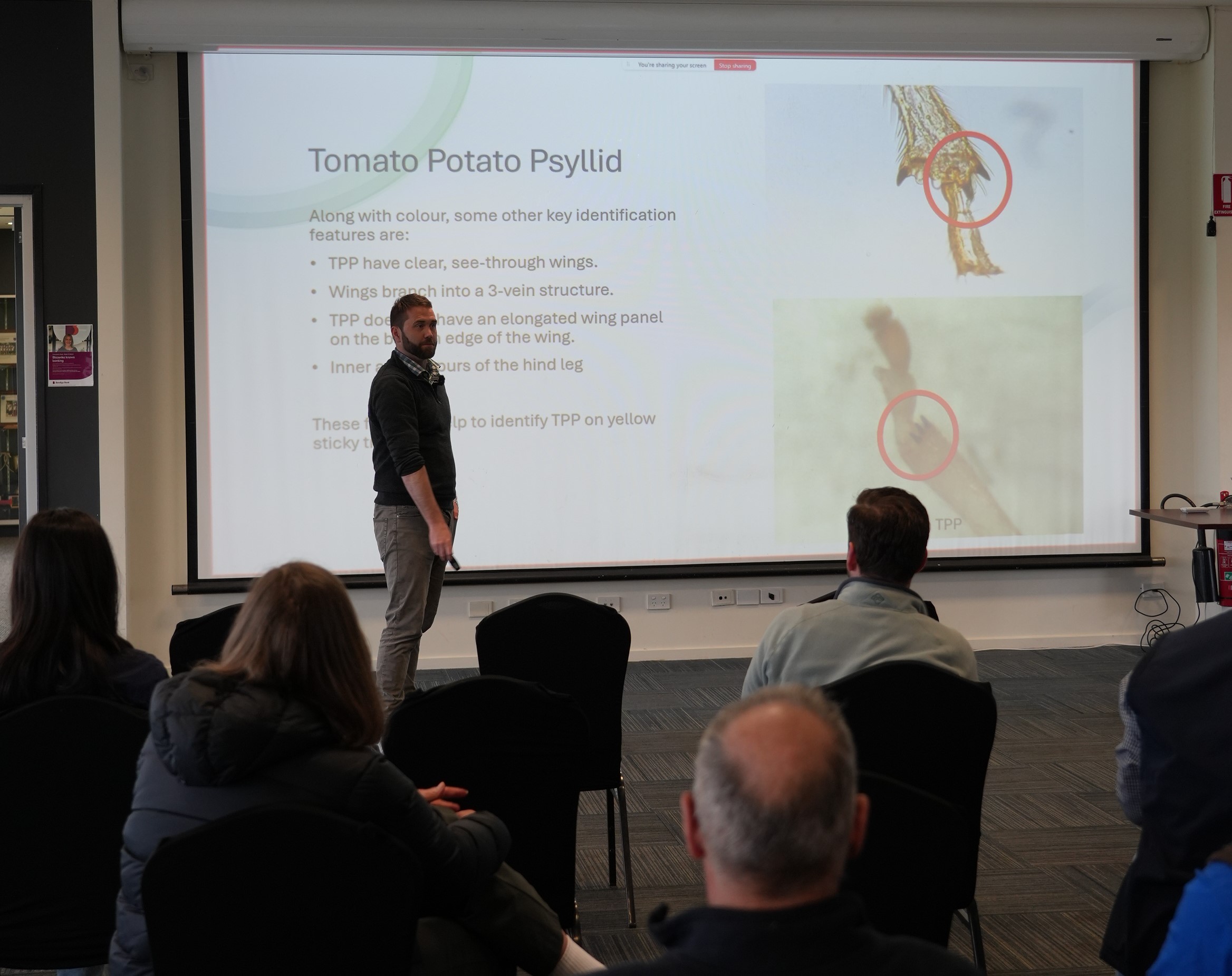
Workshop in Ballarat, VIC
The roadshow highlighted the value of sharing knowledge across the Tasman and learning from New Zealand’s experience. While TPP is present in Australia, CLso has not been detected, making preparedness and early action particularly important. While Australian production systems and circumstances differ from those in New Zealand, the lessons from almost 20 years of managing TPP and CLso provide an important foundation for strengthening preparedness and supporting Australian growers should the threat from CLso increase.
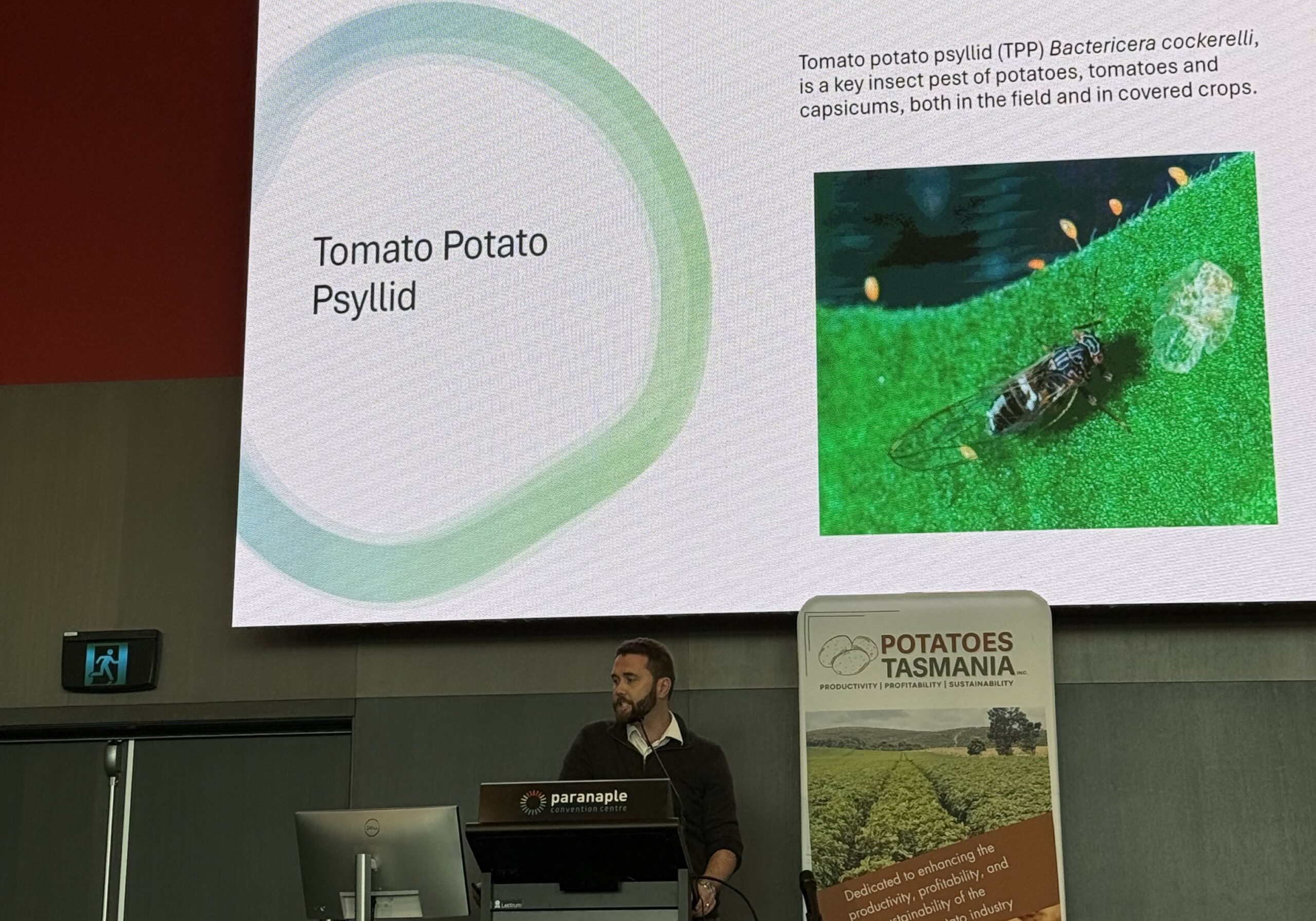
Presentation at Potatoes Tasmania AGM Industry Update Devonport, TAS
AUSVEG would like to thank PotatoLink, Potatoes Tasmania and Lockyer Valley Growers for helping facilitate the roadshow, and Daniel Sutton for sharing his time, experience and knowledge with Australian growers and industry.
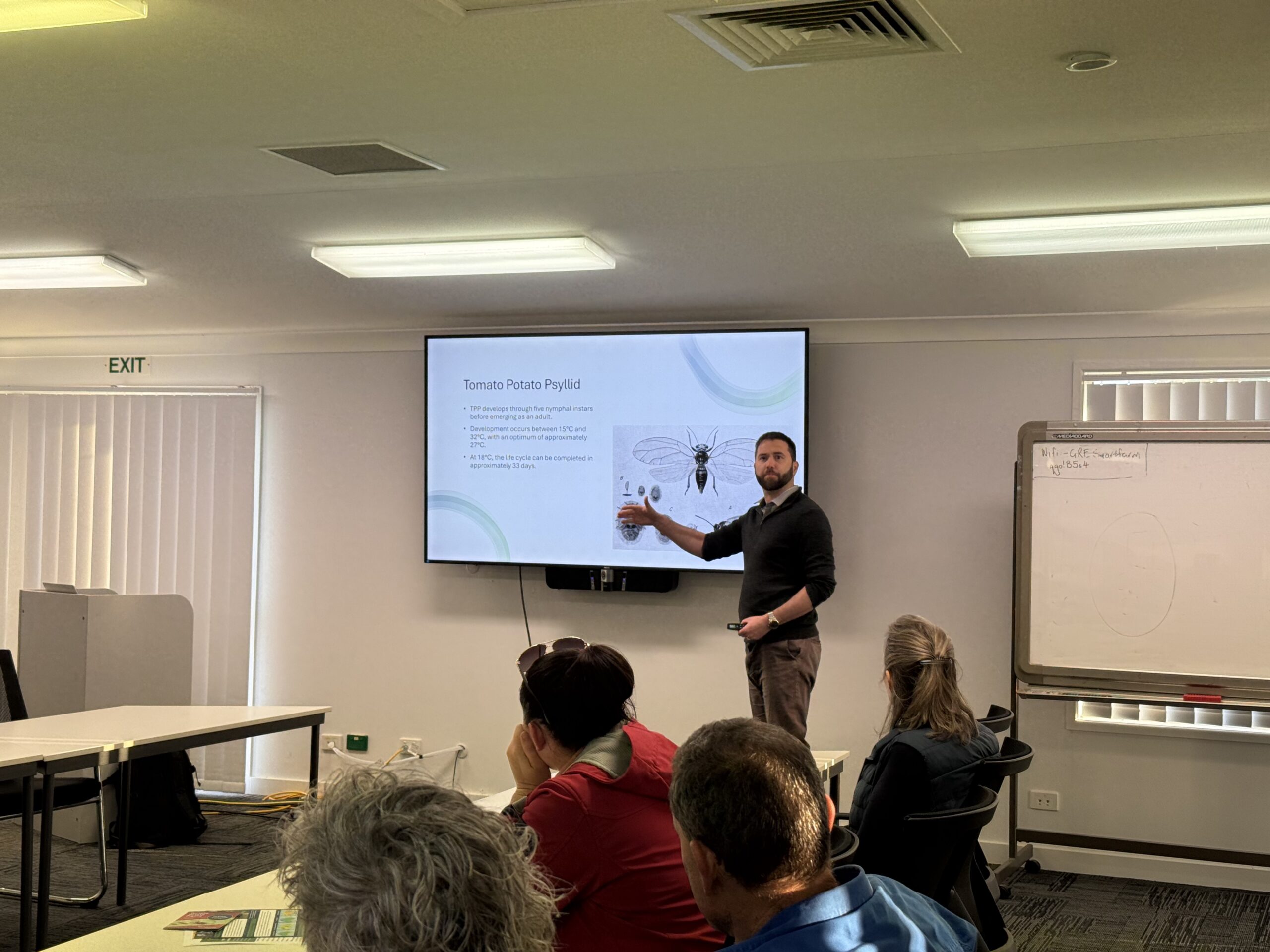
Workshop at Gatton Research Facility hosted by VegNET and Lockyer Valley Growers. Gatton, QLD.