


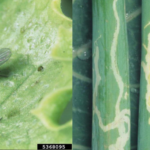
Serpentine leafminer detection Tasmania
30 June 2026
Know Your Grocery Code Training
13 July 2026
The Australian Pesticides and Veterinary Medicines Authority (APVMA) has today published its final decision regarding paraquat and diquat, following a comprehensive 30-year review by the independent regulator.
The decision means products containing paraquat and diquat will remain approved for use, with significant new restrictions on application rates and permitted uses.
New registration conditions will apply to the labels of all paraquat and diquat products manufactured from today (23 June), while existing stock will be phased out over a two-year transition period.
This transition period provides an important window for industry to prepare for the new restrictions, and implementation of new occupational health and safety measures.
While AUSVEG is continuing to examine the APVMA’s detailed decision, it will result in changes to use and availability of important crop protection tools that many vegetable, potato and onion growers have relied upon, and used in accordance with stringent safety regulations and label directions. Paraquat and diquat have formed important components of no-till farming methods that help maintain soil nutrients, improve water use efficiency, and reduce the need to use machinery and fossil fuels.
AUSVEG will work closely with affected businesses, registrants and other stakeholders to assess where the lower application rates can still be used effectively and to identify alternatives where gaps emerge.
AUSVEG recognises that some sectors will be particularly impacted, especially the potato industry, where diquat plays a critical role in crop desiccation.
AUSVEG will begin planning immediately by engaging with growers and industry, exploring alternative tools and use patterns, and identifying potential regulatory and research pathways to help minimise disruption to growers.
AUSVEG continues to strongly advocate that the safety of all farmers must be a top priority, and emphasises that Australian vegetable, potato and onion growers take their responsibility to safeguarding people and the environment extremely seriously.
When it comes to safeguarding grower, community and environmental sustainability where the use of crop protection products are concerned, Australian vegetable growers place their trust in the APVMA to independently evaluate the available evidence against a robust science-based regulatory framework, to determine whether agricultural chemicals remain appropriate for use in Australian farming systems.
AUSVEG recognises the APVMA’s decision is based on its comprehensive assessment of the evidence before it, and primarily informed by environmental considerations and the impacts of operator exposure over time. Consumers should be assured that the decision raises no food safety concerns, and vegetable produce available for sale in Australia remains safe for consumption.
Further, in making its decision, the APVMA found the weight of evidence does not show that paraquat exposure through approved uses increases the risk of developing Parkinson’s disease.
It remains essential that decisions regarding crop protection products are made by qualified scientific experts through established regulatory processes such as the one the APVMA has undertaken, rather than through public campaigns or political pressure, based on unsubstantiated claims.
Effective crop protection products are a critical part of modern farming systems and help growers produce safe, affordable and nutritious vegetables for Australian consumers.
Maintaining access to a broad range of effective crop protection tools remains essential for the productivity, sustainability and competitiveness of modern vegetable, potato and onion production businesses, and Australia’s vegetable industry.
This access is particularly critical as Australian growers continued to face an increasingly limited range of crop protection options, and a lack of new science and products being approved to enter the market.
In light of this decision, it is crucial to ensure that the APVMA receives the necessary support from government to allow it to efficiently perform its critical functions, not only in reviewing existing products, but in approving new science and farm chemistry.
AUSVEG will continue working closely with growers, government, researchers and industry partners to support the transition to alternative weed management options and to ensure vegetable producers continue to have access to safe, effective and scientifically assessed crop protection solutions.
This includes through the AUSVEG-led National Agrichemical Management Program funded-by Hort Innovation using the vegetable, potato and onion research and development levies, and contributions from the Australian Government.
For more information on the APVMA’s decision, or other agrichemical matters, please contact David Daniels – AUSVEG National Agrichemical Manager, 0402 270 554, david.daniels@ausveg.com.au
Details of the full APVMA decision are available here.