



Know Your Grocery Code Training
13 July 2026Grower of the Year Steve Marafiote recognised for major contributions to industry with two prestigious awards
12 June 2026
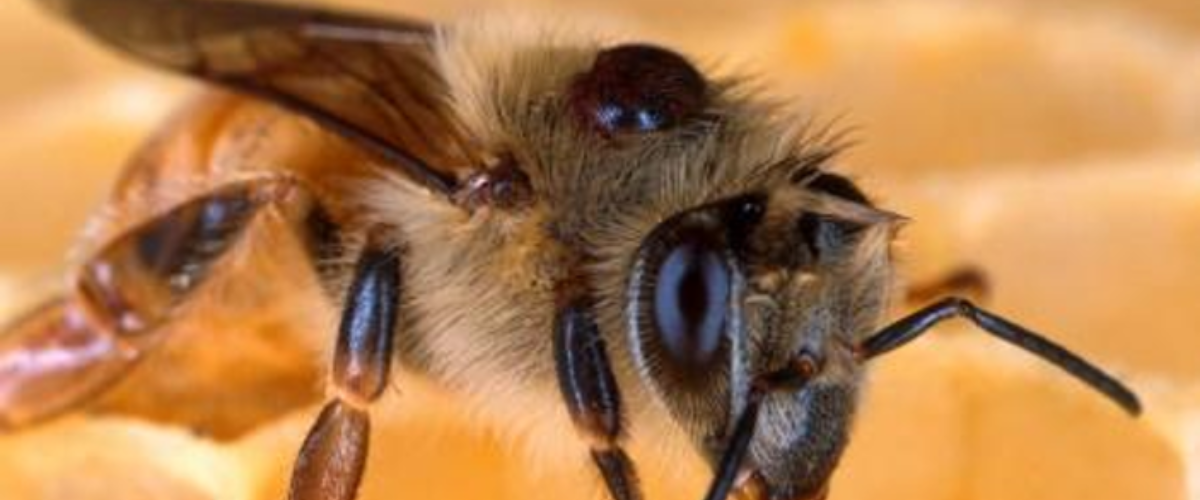
Chemical-resistant varroa mite populations have spread, with cases now confirmed in Victoria and South Australia following earlier detections in New South Wales and Queensland. In Victoria, only one apiary in the state’s north-east has been affected. In South Australia, the Department of Primary Industries and Regions confirmed treatment resistance in hives associated with the Pooginook Detection Zone.
Testing has confirmed resistance to both major synthetic miticide groups used to manage varroa mite: pyrethroids (including Bayvarol and Apistan) and formamidines with the active ingredient Amitraz (such as Apitraz and Apivar).
Researchers have determined that the resistant mites are associated with a more recent and separate incursion of Varroa destructor than the population first detected in Australia in 2022.
The Consultative Committee on Emergency Plant Pests has agreed that the resistant mite populations cannot be eradicated due to: Varroa destructor being geographically widespread; it cannot be contained, and the pathway for the new incursion is not known.
States and territories will continue to manage varroa mite with resources deployed under the transition to management program, which support best practice management, including in newly affected areas. These free resources are available on the National Varroa Mite Management Program’s website, at varroa.org.au.
Bee Biosecurity Officers and apiary staff are working to facilitate the collection of mites for further testing to better understand the distribution of resistance within the varroa mite population.
What you can do
Resistance in varroa mite populations can arise quickly, particularly when they are repeatedly exposed to synthetic miticides such as Bayvarol, Apistan, Apitraz and Apivar.
Monitor your mite numbers before, during and after miticide treatments. If you suspect treatment failure, contact the Exotic Plant Pest Hotline on 1800 084 881 to reach out to your department of primary industries for assistance, assessment and advice.
If you suspect that resistance-carrying mites are in your area and you treat with pyrethroid or amitraz products, check colonies when they reach mid-treatment to detect potential treatment failure early.
Beekeepers should follow best practice in the management of varroa mite including the early adoption of integrated pest management strategies, including the use of mechanical and cultural controls along with rotation of chemical with different modes of action and ensuring that label and permit conditions are strictly followed. Use organic compounds and non-chemical varroa control methods where practical to reduce the use of synthetic chemical treatments.
If miticide resistance in varroa mites becomes widespread, apiarists will lose key control tools, and there becomes an increased risk of high mite loads and colony losses.
Further Information
Beekeepers can access free resources and information about managing varroa mite at varroa.org.au. This site also has links to varroa information from each state and territory, including reporting options.
The BeeAware website (beeaware.org.au) also has a range of information and resources for beekeepers.
If you see anything unusual, call the Exotic Plant Pest Hotline: 1800 084 881