


AUSVEG congratulates Darren Chester on appointment as Shadow Minister for Agriculture
16 March 2026Vegetable industry welcomes Australia-EU FTA
24 March 2026

The Middle East conflict has had an immediate, severe impact on the cost of critical inputs and services required by Australian vegetable growers to grow and supply their produce to market.
Growers have no capacity to absorb these latest cost increases after years of diminishing margins due to steadily rising and unstainable production costs combined with downward pressure on already unviable returns.
Australian vegetable growers now have no option but to pass these latest significant production cost increases on. Unless buyers, wholesalers and retailers genuinely work with vegetable producers to ensure growers are receiving fair and viable farmgate prices that reflect these latest surges in production costs, AUSVEG’s repeated warnings over many years about upwards of two in five growers leaving the industry will eventuate and Australia’s future food security will be impacted.
In a prolonged consumer cost of living crisis, vegetables not only remain one of the healthiest food options available to Australian families, but also one of the most affordable. Vegetables cost on average $0.70 per serve, compared with common, less healthy, processed snack foods which cost $0.84 or more per serve.
In order to protect Australian consumers’ supply of fresh, affordable Australian-grown vegetables, Australia’s vegetable producers must receive viable returns.
It is critical that all participants and businesses across the fresh produce supply chain engage with the growers they supply and source from in good faith, to ensure these latest price shocks can be absorbed equitably across the food system.
This is imperative to maintaining the integrity and sustainability of the Australian vegetable industry and the fresh produce supply chain, while protecting consumers from major price increases, sudden drops in supply of Australian-grown fresh produce, and future food security risks.
Government engagement
AUSVEG is continuing to regularly engage with government on behalf of vegetable growers during the ongoing response to the conflict in the Middle East.
This has included participation in this week’s industry roundtable, convened by the Minister for Agriculture in relation to fuel and fertiliser supply and food security considerations, as well as attendance at regular industry updates and briefings on other aspects of the conflict, including export disruptions.
During these engagements, AUSVEG is emphasising the importance of coordinated, system-wide national planning and contingencies from government to address current, medium and longer-term impacts of the conflict, to protect the integrity of the Australian vegetable industry and supply chain, to protect Australians’ health and food security.
AUSVEG continues to highlight:
- Fresh fruit and vegetable producers must be considered as a priority sector for any government-directed fuel allocations.
- National efforts are required to ensure enough fertiliser is being secured, brought into the country and stockpiled, amid ongoing supply disruptions and fierce global competition.
- Where necessary, government should devote resources to cooperating with global supply chain companies to secure Australian access to critical farm inputs.
- Early planning is required to prepare for any future need for fuel or fertiliser rationing, due to a protracted conflict. If rationing is deemed necessary in future to protect food production, it is essential systems, plans and mechanisms are in place to ensure smooth implementation.
Summary of current cost pressures
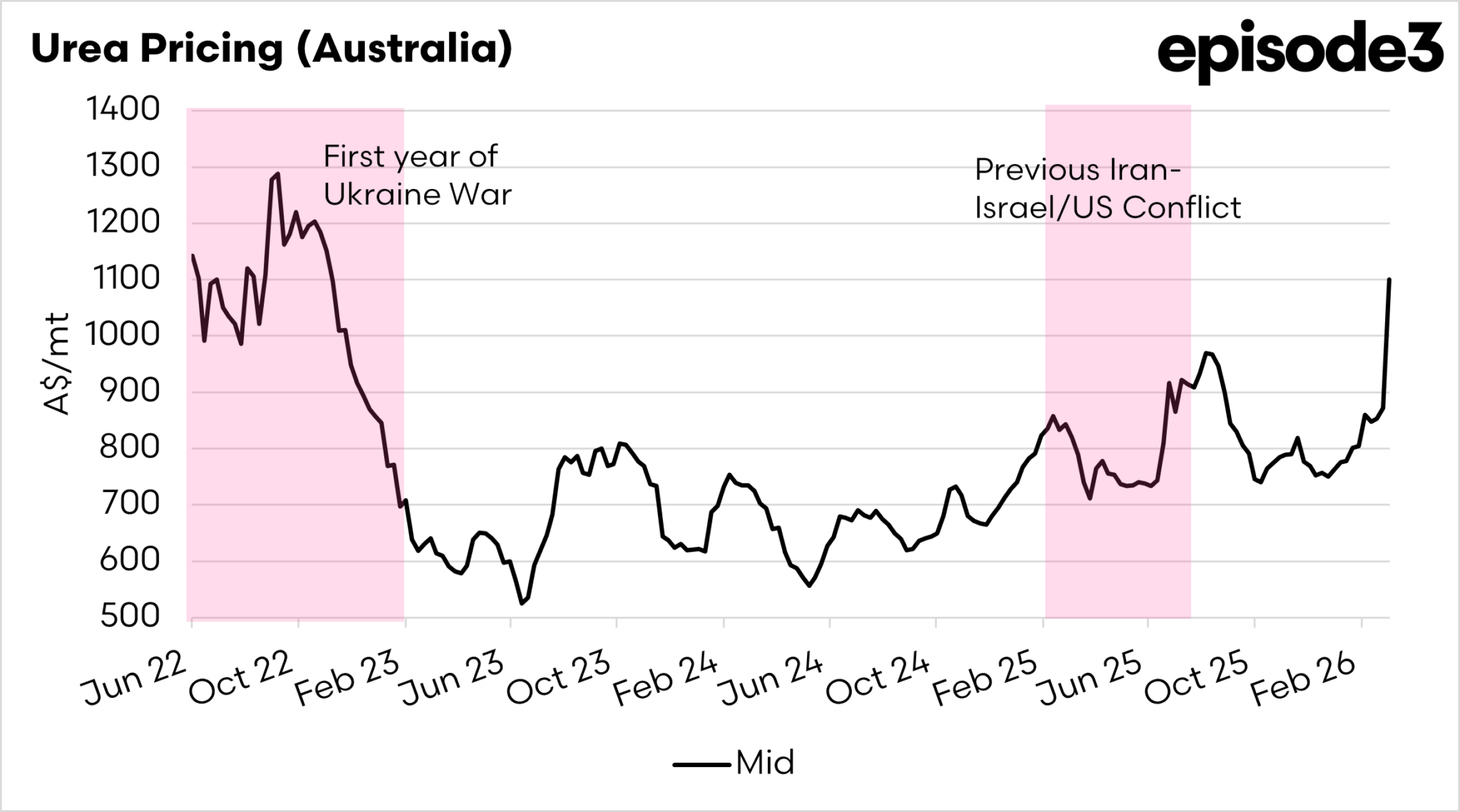
Since the beginning of the conflict, prices for fuel and urea in particular have surged amid immediate supply concerns in parts of the country, and future uncertainty linked to ongoing disruptions to the Strait of Hormuz – a key shipping route for global oil supplies, as well as much of the urea, destined for Australia.
The immediate impacts have seen urea prices double in a matter of weeks from around $800 a tonne in early March, to approaching $1600 in some areas according to reports.
Meanwhile, the Australian Institute of Petroleum’s latest diesel prices report for the week ending 15 March shows wholesale diesel prices in Australia surged from under $1.70 a litre to almost $2.50 since the start of the conflict.
While these cost increases have had an immediate impact on vegetable growing businesses the shocks have also reverberated across the supply chain, resulting in yet more financial burden imposed on vegetable growing businesses.
Reports from both growers and the media have confirmed that significant additional charges and levies are increasingly being charged to growers for services they require to grow, pack and send their produce to market.
As one example, media reporting shows a major retailer has lifted the levy its drivers can charge food and grocery suppliers for transporting their goods to market, from 7.3 percent to almost 12.5 percent in metropolitan areas and from almost 18.5 percent to more than 31.5 percent in rural and regional areas, where many vegetable growing businesses are located.
This is just one example, with growers across the country continuing to report combinations of price hikes, security surcharges, sea freight and supply chain costs being applied to existing services they rely on from a range of service providers, leading to many costs doubling overnight.
Beyond fuel and fertiliser, cost and supply concerns have also been raised in relation to other critical inputs relied on by growers.
Plastic manufacturers, which many growers rely to meet the packaging requirements of their customers, have indicated price rises will be passed on, in light of increases to the cost of plastic materials of up to 50 percent.
Warnings from the plastics manufacturing sector have also indicated rationing may be necessary, and emergency force majeure clauses may be triggered, meaning they are unable to fulfil contracts.
Many Australian vegetable growers were already grappling with viability threatening challenges prior to the latest price surges caused by the conflict in the Middle East.
The immediate impacts of the conflict have been significant, are already being keenly felt, and must be urgently addressed by ensuring growers are receiving fair and sustainably farmgate prices for their produce.
It is equally important to ensure the right government-led strategies and contingencies are in place as these impacts become more pronounced the longer disruptions continue, with potential impacts on Australia’s food security.
Fertiliser
Urea
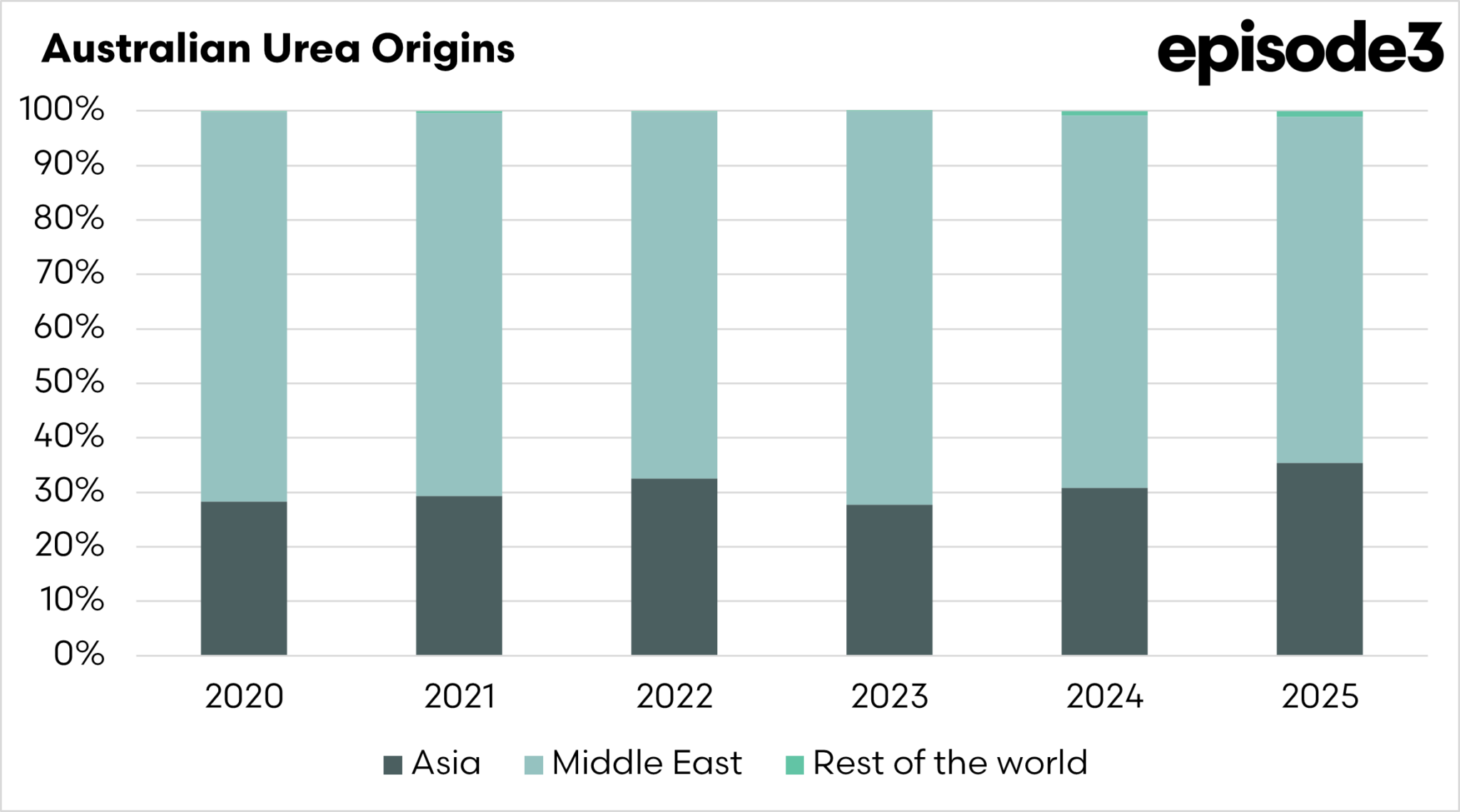
With urea-producing Middle Eastern countries, located along or near the Strait of Hormuz, and many production facilities having also been impacted by the conflict, there is no indication of when regular supply from the region may be able to resume.
Asia is also a significant urea supplier but in light of disruptions to Middle Eastern supply, Australia will be competing with other countries for what it can produce, which is likely to drive prices up further.
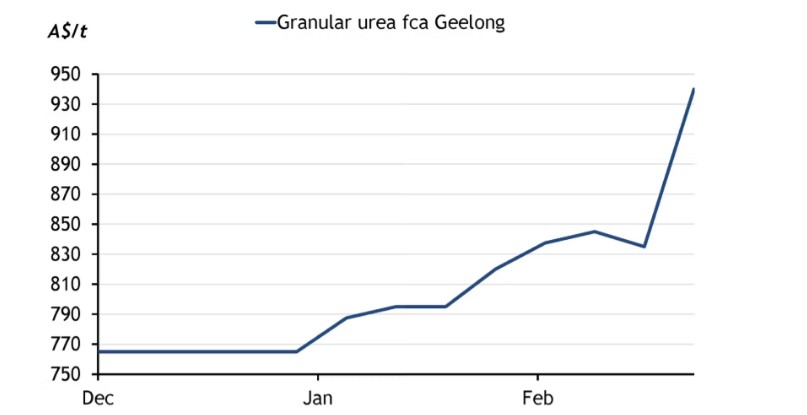
Urea landed in Geelong Victoria (Week ending 13 March)
Source: Graingrowers/Argus Media
The GrainGrowers report indicates demand for MAP/DAP picked up in the wake of the Iranian conflict because of restricted supply from Saudi Arabia, and that supplies are low along Australia’s east coast. The report indicates that as of 13 March there were 408,000t of MAP/DAP and other phosphorous fertilisers in transit to Australia.
Dyno Nobel has announced it will sell its 769,000 t/yr Phosphate Hill fertiliser plant to a subsidiary of Australian energy and resources company Mayfair. The plant was facing closure at one stage.
Over 2025 global fertiliser prices, apart from Potassium Chloride showed similar lifts and drops, primarily based on demand. Since December 2026 DAP, TSP and Urea have also shown an upward trend, with Urea showing the sharpest increase. As supplies tighten that trend is likely to continue. Impacts on global prices flowing from the Iran conflict will be shown in future releases.
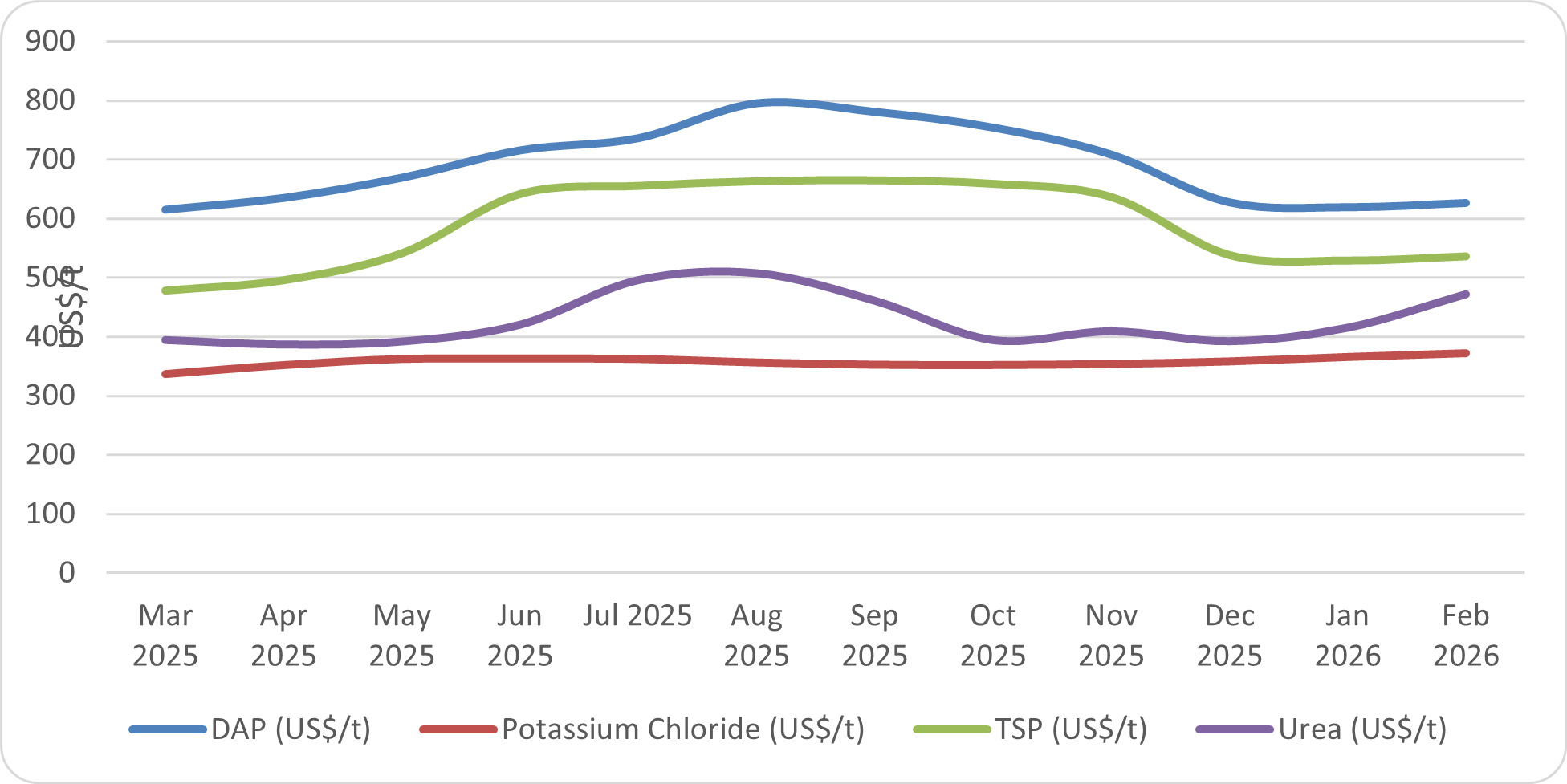
Global Fertiliser Prices March 2025 – February 2026
Source: World Bank Pink Sheets
The latest figures from the Australian Institute of Petroleum show steep increases in Australian diesel prices since the conflict started.
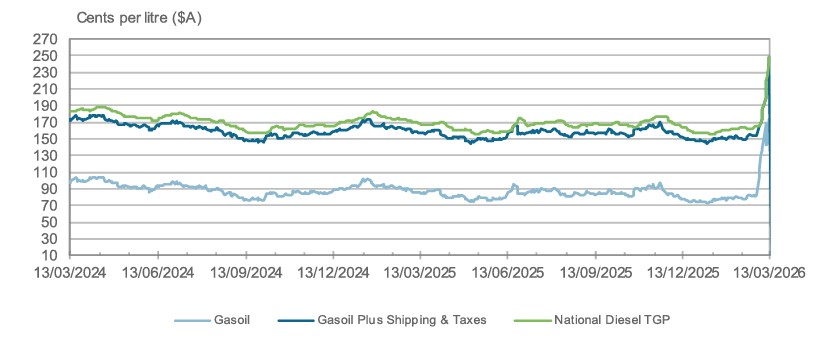
Australian Wholesale Diesel Price (TGP) vs Singapore Diesel Price (Gasoil) March 2024 – March 2026
Source: Australian Institute of Petroleum
The institute reports that the average wholesale prices for diesel as of 15 March was $2.45 per litre, with media reports indicating retail prices pushing $3 a litre in some regions.
Fuel prices remain a significant political issue, with the Australian Government temporarily lowering fuel standards to allow additional supply into the domestic market, and making an initial allocation from Australia’s strategic reserves, with a view to alleviating shortages, particularly in regional areas.
National Cabinet has also been reconvened to consider fuel supply issues, with the Prime Minister announcing the appointment of a Fuel Supply Taskforce Coordinator to support coordination across governments and sectors.
Panic buying and hoarding has also been pointed to as a factor driving up prices and contributing to regional shortages, with the Australian Consumer and Competition Commission also having been called in to monitor for price gouging.
The ACCC has undertaken to publish a weekly fuel price monitoring update which will shortly expand to include 190 regional locations across Australia.
Oil
The steep increases recorded in diesel prices reflect the spiralling cost of crude oil since the beginning of the conflict.
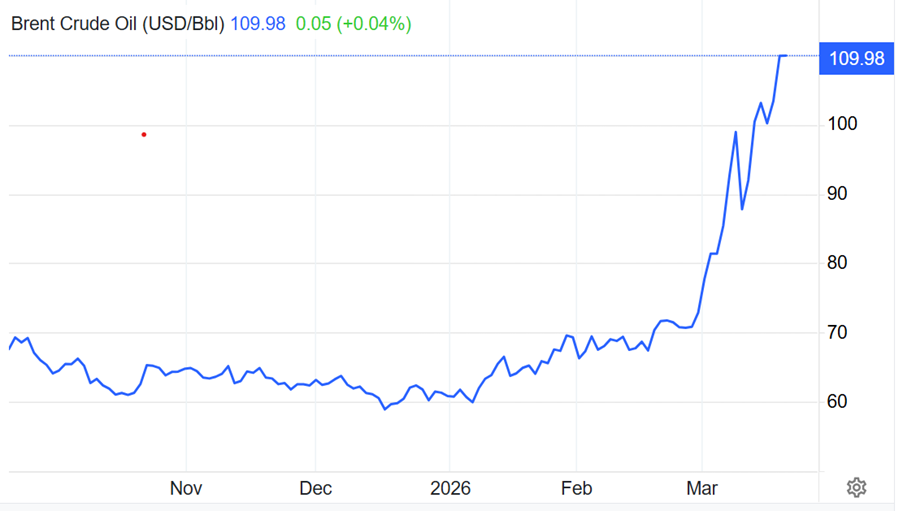
Brent crude oil prices per barrel $US
Source: Trading Economics
In the months leading into the war the Brent Crude price per barrel largely remained below $US70, before climbing through February, then surging beyond $US100.00 once the conflict started. Attacks on energy infrastructure during the conflict, combined with ongoing supply disruptions have since pushed the price beyond $US110 a barrel, with concerns this will climb even higher during a protracted conflict.
While the high global oil prices will continue to have an impact on Australian fuel prices, other impacts, already being felt, will continue to flow on, including higher freight and transport costs, and price and supply concerns for key inputs like plastics for packaging.
Energy
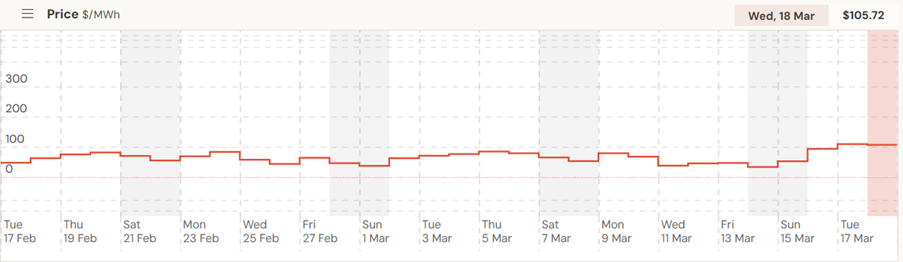
Price per Megawatt/Hr 17 February – 17 March 2026
Source: Open Electricity
Open Electricity data shows the price per megawatt hour for electricity climbing back up, and more than doubling over the week to 18 March to $105.72, also surpassing the previous high for the month of just over $83 dollars.
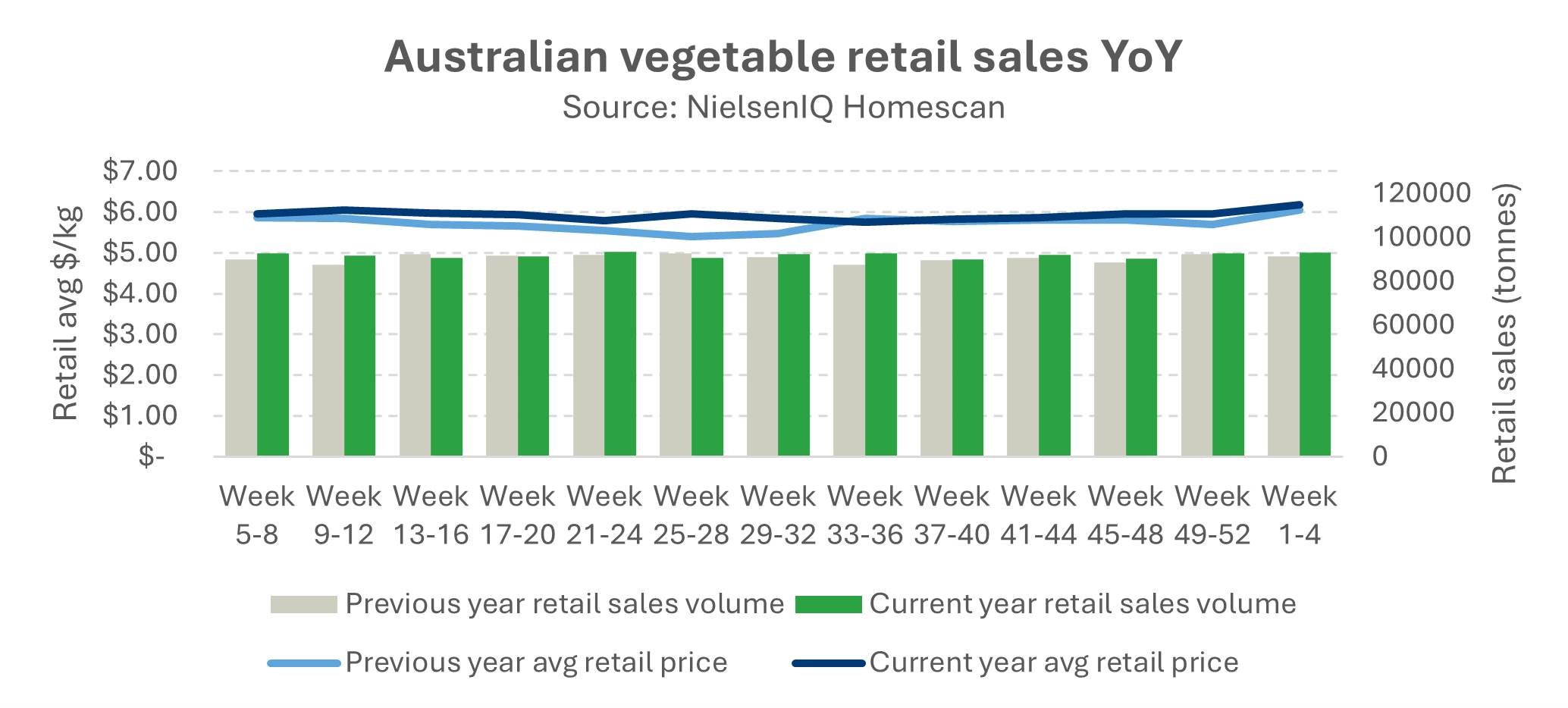
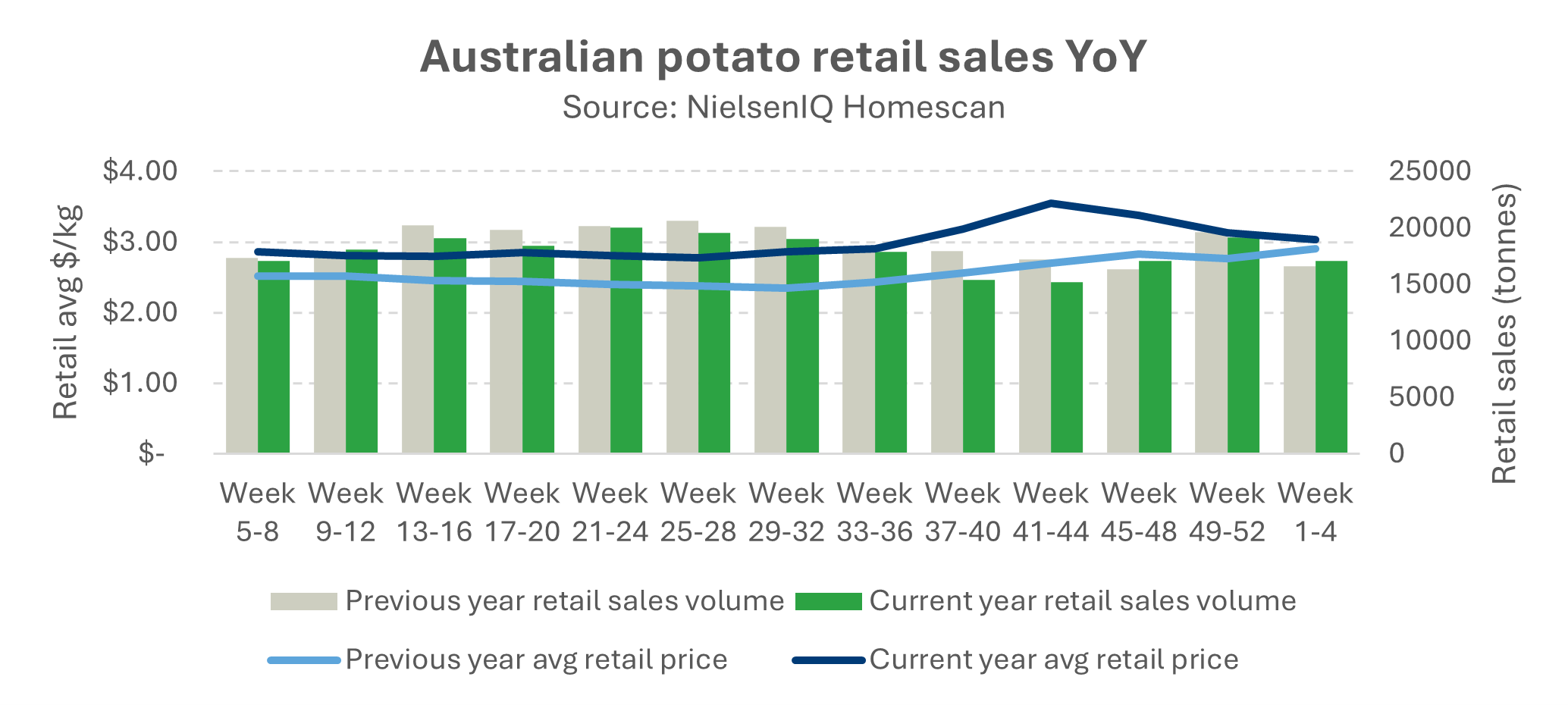
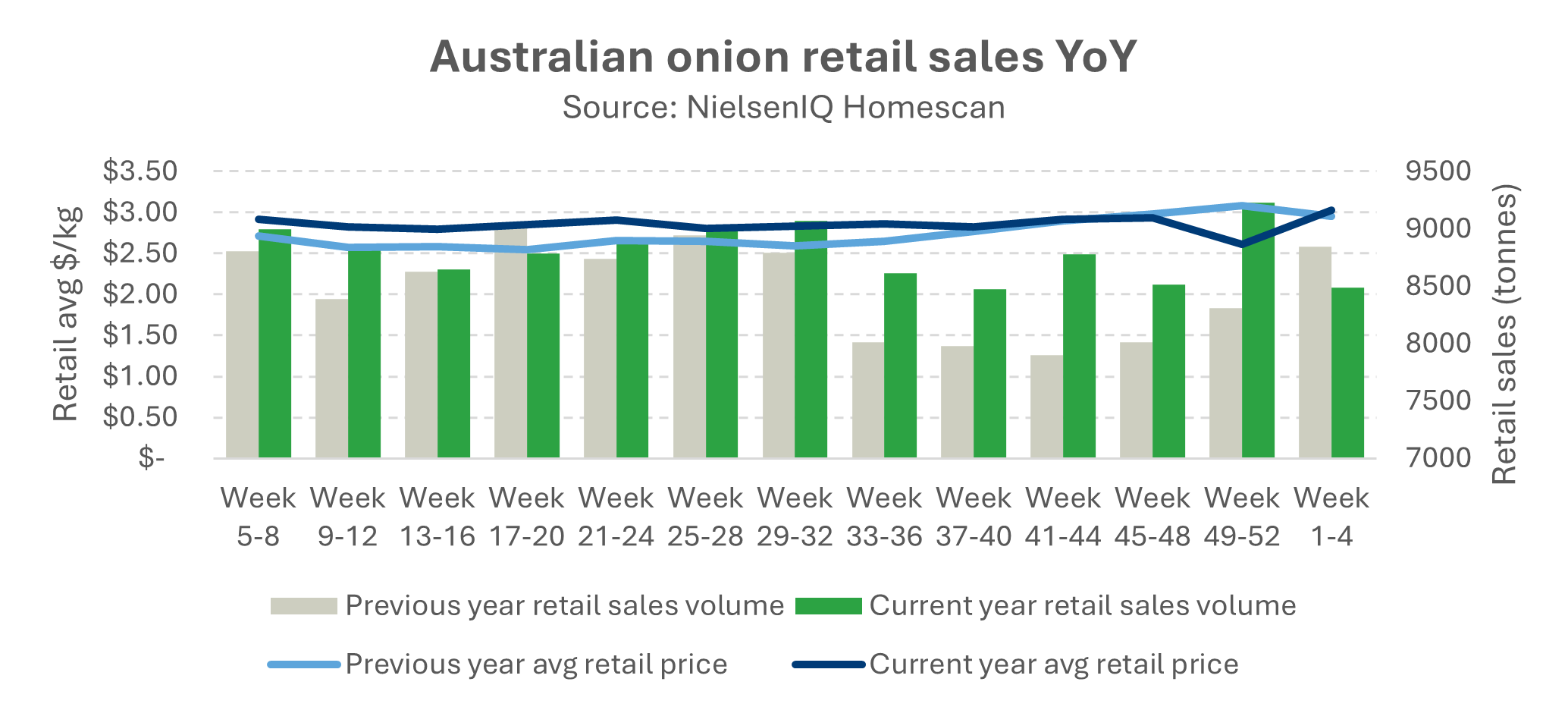
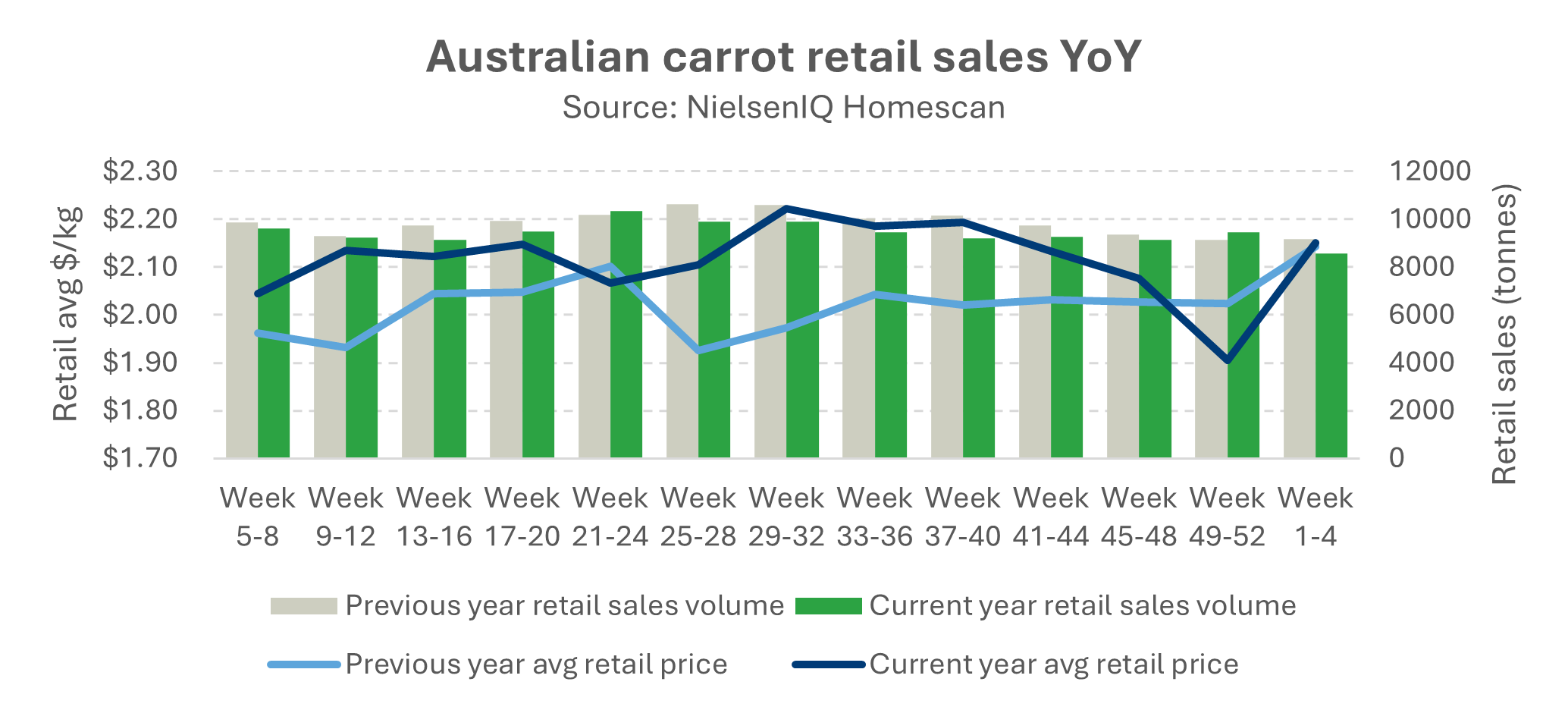
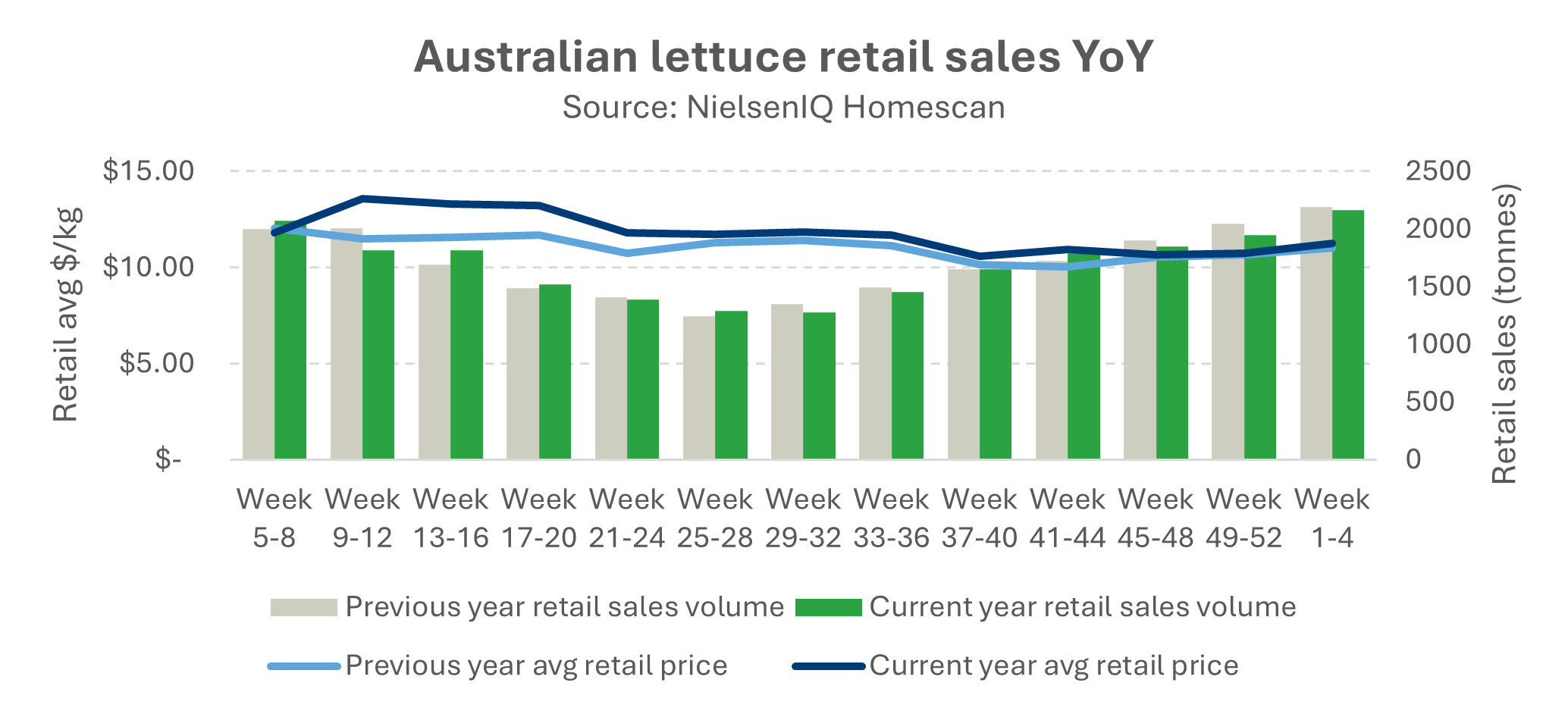
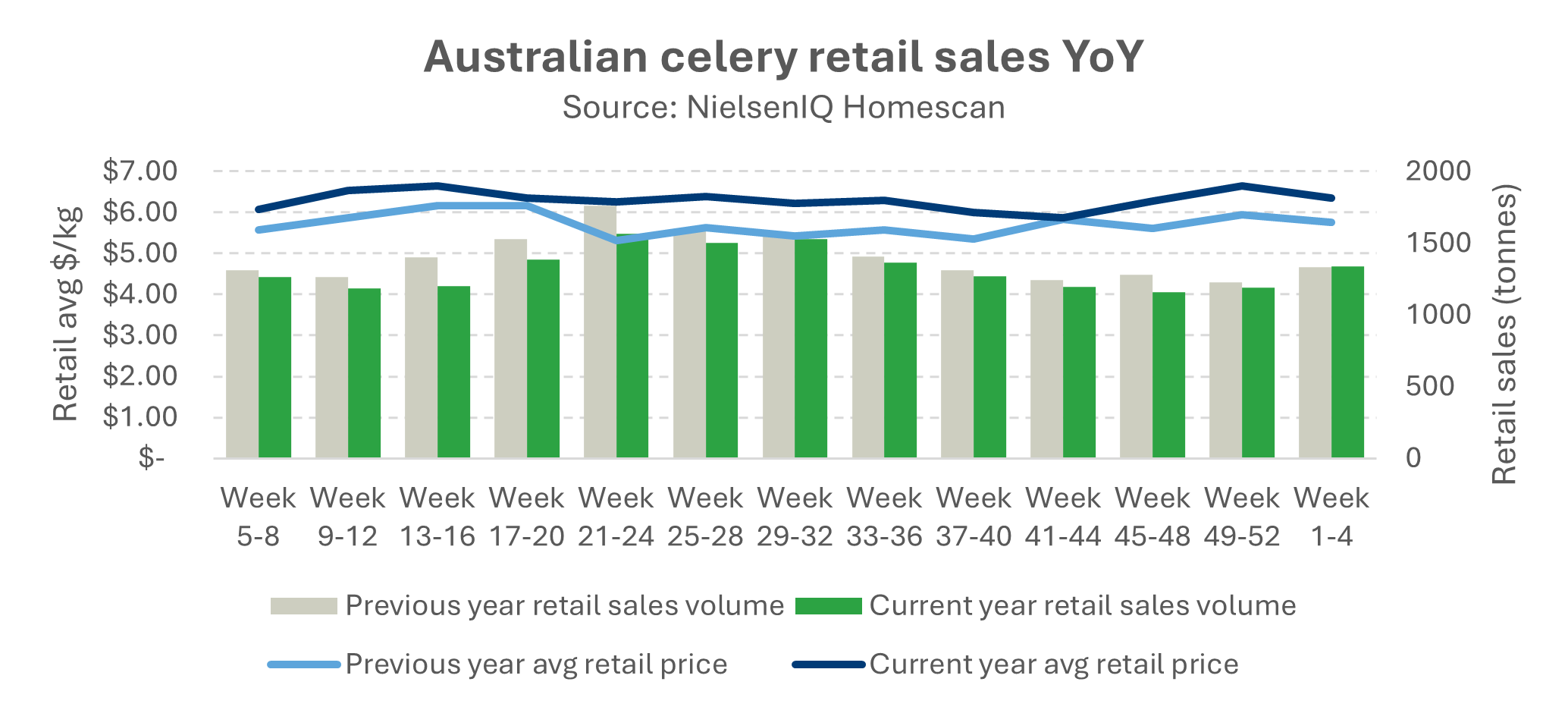
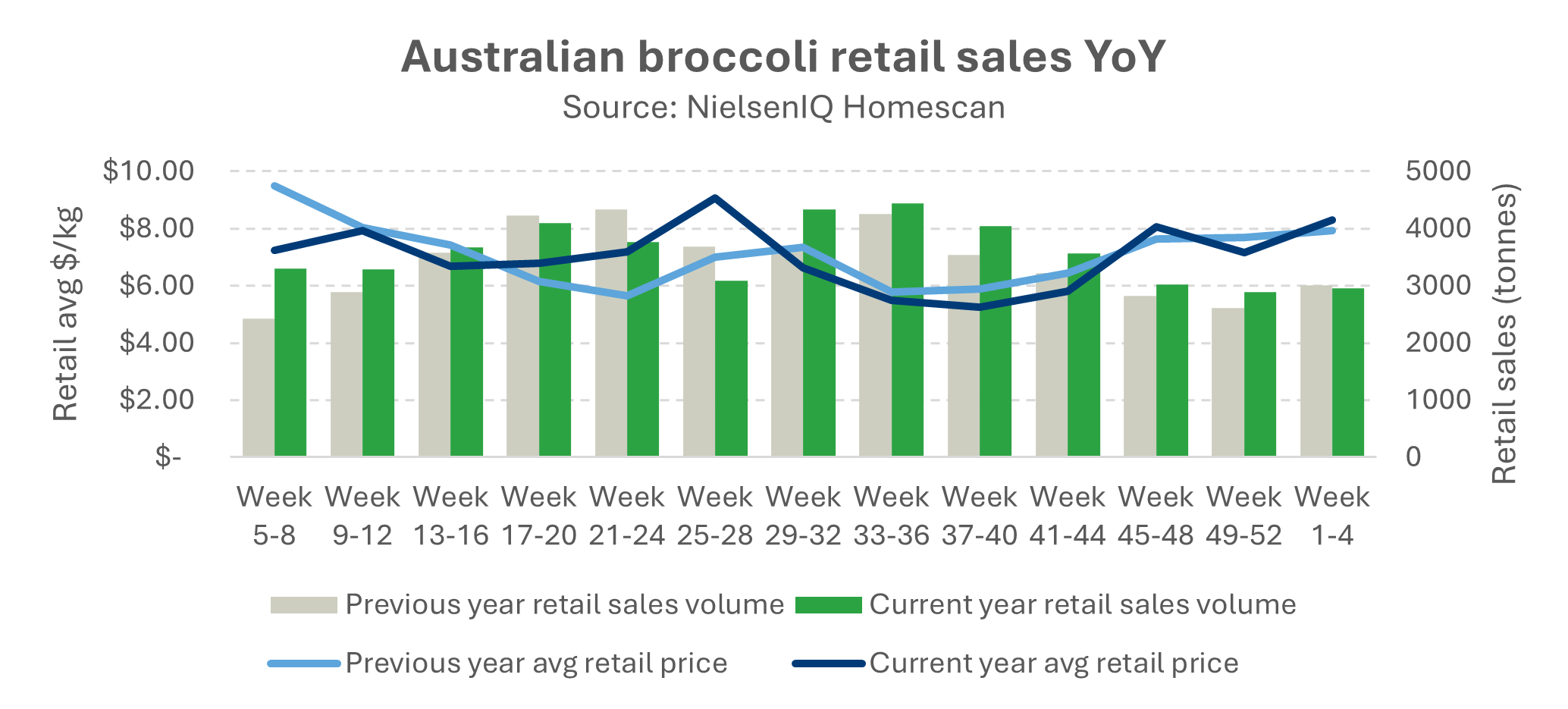
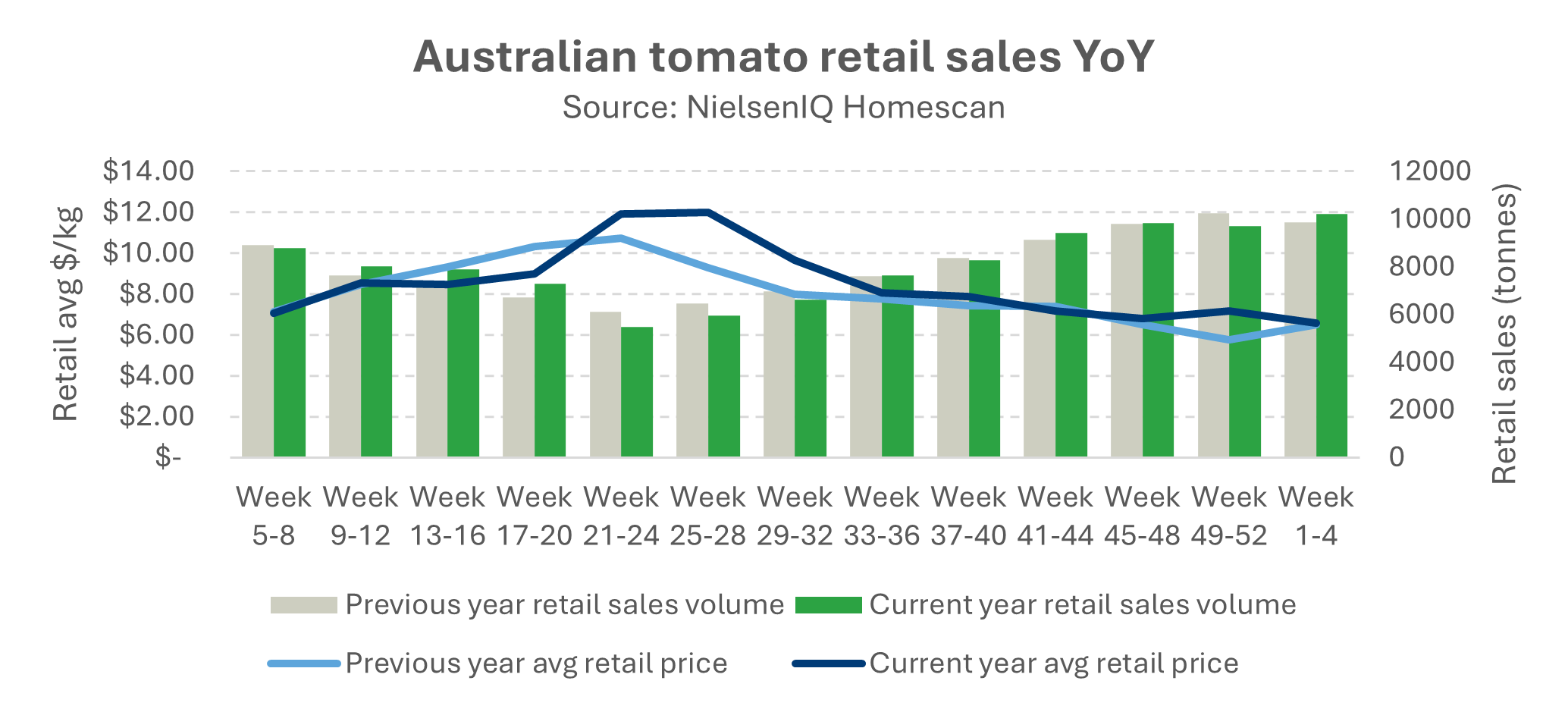
The charts below show NielsenIQ Homescan data for potatoes, onions, carrots, lettuce, broccoli/broccolini, celery, tomatoes, and vegetables overall, provided through Hort Innovation’s levy-funded Consumer purchase and retail data (MT21004) program.
Mental health support and resources
The uncertainty and upheaval flowing from the conflict in the Middle East have added to the already significant pressures facing vegetable growers across the country.
Stress, anxiety, and depression are experienced by people across all walks of life, and farmers, with the immense responsibility of running businesses feeding the nation while battling nature and economic uncertainty, and juggling multiple jobs at once are not immune.
Whatever the trigger, when the pressures become overwhelming, it is important to seek help, and know there are practical tools to help mange your mental health.
If it is urgent, please contact your local hospital emergency department, call 000, or call one of the below services:
Lifeline (ph: 13 11 14)
beyondblue (ph: 1300 224 636)
Suicide Call Back Service (ph: 1300 659 467)
IFarmWell – www.ifarmwell.com.au