


January to May 2026: Australian vegetable export performance overview
28 August 2026
From trial to impact: Long-term grower partnerships that tell the real story
28 August 2026A new national push to help growers recover more value from unsold produce

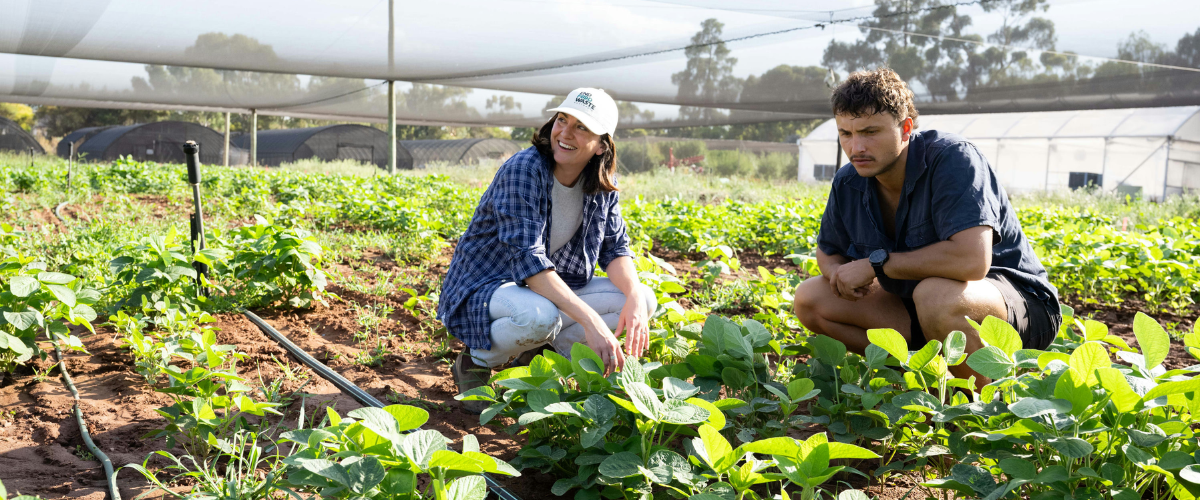
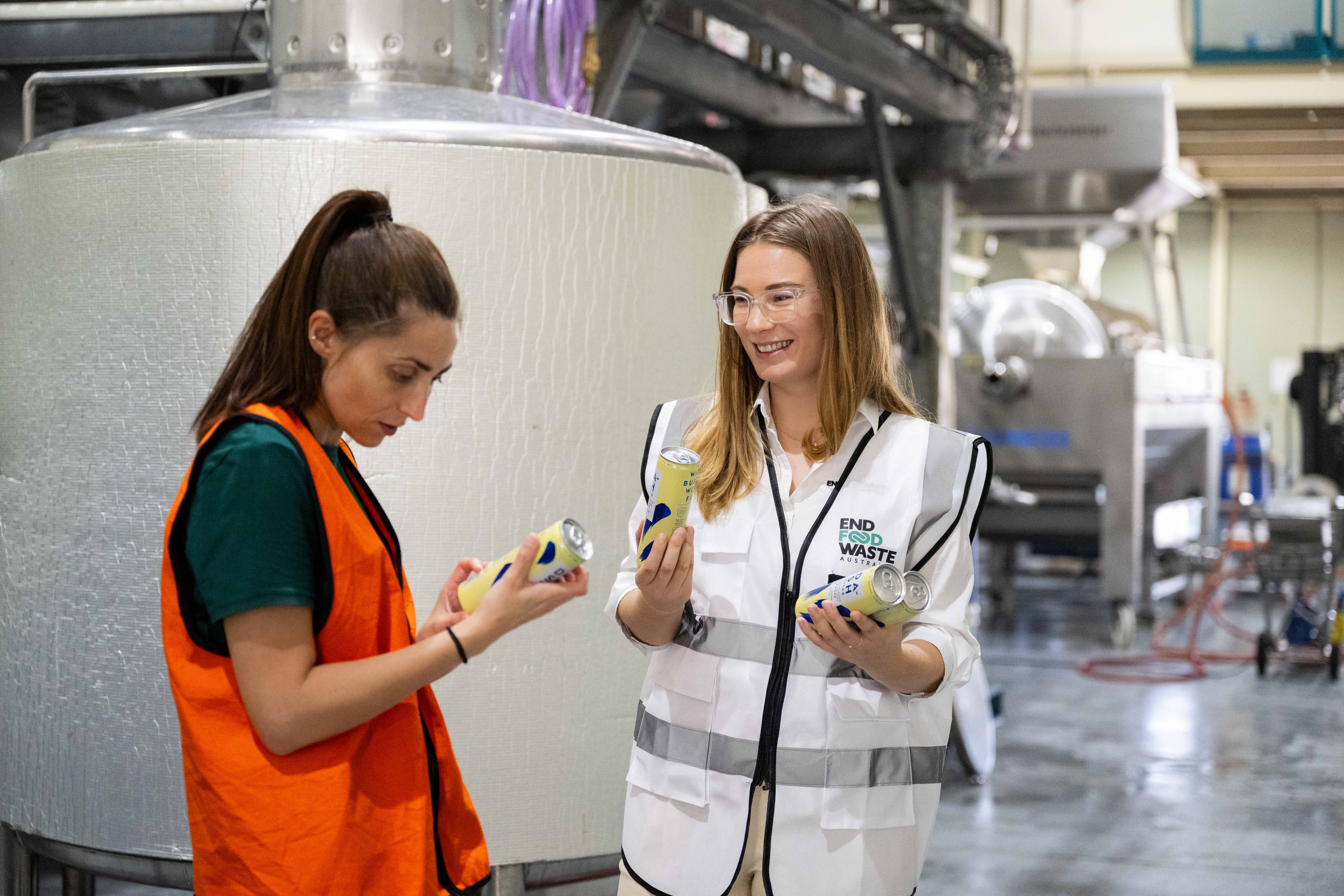
End Food Waste Australia and Hort Innovation are leading a new horticulture research program to help growers recover value. Research innovations and insights, such as value-add and upcycling products, informing alternative market options for Australian growers. Images ©End Food Waste Australia
Reading Time: 4 minutes
BY MOLLY CHAPMAN
A new national research program led by End Food Waste Australia and Hort Innovation is working collaboratively with growers and industry to reduce waste and recover more value from every harvest.
Australian horticulture growers reported an average crop loss of 20 percent per farm in 2023-24.¹ Across Australia, a staggering one million tonnes of all fresh produce never makes it to market², representing an estimated loss of up to $2.5 billion a year.³ For growers, this unsold produce may be a business opportunity hiding in plain sight.
What the new national project will do
The project, Reducing on-farm food waste and unlocking its value for grower profitability and sustainability (HN24001), is working with growers and supply chain partners to better understand where losses occur, test practical ways to lift utilisation, and identify commercially viable pathways for surplus and out-of-spec produce.
In consultation with growers and industry, this project has three priorities:
- Close the gap between consumer preferences and product specifications, so industry has stronger evidence about where specifications protect quality and where they may be excluding edible, saleable produce.
- Demonstrate commercially viable options for value-adding to surplus and out-of-spec produce, including alternative fresh markets, processed products, animal feed and soil amendment pathways, where appropriate.
- Develop farm-ready tools, training and resources that growers can use to measure losses and inform intervention where relevant and impactful.
Why it matters
While we use the term food waste, we see it differently: as valuable, nutritious food full of untapped potential. Similar international trials in the UK have shown that growers can increase profitability by up to 20 percent through food waste reduction4. With vegetable production margins tighter than they have ever been, it’s critical growers are getting as much return as they can on what they’ve invested in producing a crop.
When food isn’t sold as intended, it’s not just the food that is wasted; it means the costs incurred by the growers, the seed, water, fertiliser, crop protection, and labour haven’t been utilised to their full extent and that the additional returns that support a profitable business are being left behind.
A practical example is Simplot Australia’s on-farm potato loss measurement project with End Food Waste Australia. Simplot sources more than 435,000 tonnes of potatoes and vegetables from Australian growers each year and wanted to better understand potato losses at the farm stage. Using the WWF Global Farm Loss Tool with End Food Waste Australia, the project sampled eight paddocks across three Tasmanian growing regions to quantify what was left after harvest and why.
Losses were grouped as marketable potatoes that met processing specifications, edible potatoes that did not meet specifications, and inedible potatoes. The findings showed around three to four percent of marketable potatoes were left in the field, giving the business and growers clearer evidence for root-cause analysis and future improvement.5
The project demonstrated the importance of measuring on-farm crop loss to inform the most impactful opportunities and showed the potential left in the field. It also reinforced the broader lesson for industry: once losses are visible and understood, they become much easier to manage, reduce and turn into practical business opportunities.
 Getting started
Most growers already have some data on what is graded out in the shed, but it is worth digging deeper into why downgrades occur and what is left in the field after harvest.
It doesn’t have to be complex – start tracking quantities of what isn’t making it to harvest, what’s not getting sold, what’s getting downgraded and why. This builds a firmer picture of what opportunities there are to make gains. By including what is left in the field, you may find that some alternative markets or value add opportunities become more viable with the addition of more throughput.
Just through measurement, growers we have worked with identified improvements to agronomic practices, specific training needs of harvest staff and alternative markets and products.
How growers can get involved
Grower involvement is central to this program. There are opportunities to work with End Food Waste Australia and researchers on this with on-farm trials measuring what, if anything, is left in the field after harvest. The trials will quantify edible, marketable, and inedible losses onsite, with participating growers receiving a detailed analysis report.
Understanding and quantifying the reasons for downgrades occurring will provide valuable data for the project. We welcome growers interested in undertaking this work to be part of this research project. Please note there are a limited number of subsidised spaces for these trials.
TO LEARN MORE
Register your interest to get involved, visit endfoodwaste.com.au/horticulture or contact the Technical and Engagement Lead for the project Ossie Lang on ossie@endfoodwaste.com.au or 0430 380 414.
1. Australian Bureau of Agricultural and Resource Economics and Sciences (ABARES), 2025, Crop loss/waste on Australian horticulture farms, 2023-24.
2. FIAL, 2021, National Food Waste Strategy Feasibility Study.
3. Lapidge, 2015, Primary Production Food Losses: Turning Losses into Profit; ABARES, 2025; End Food Waste Australia analysis.
4. WRAP, 2021, Banbury, Financial implications for farm enterprises of reducing food surplus and waste (FS&W), Prepared by Birnie Consultancy & WRAP UK.
5. End Food Waste Australia, 2025, Case study: Simplot chips away at on-farm potato loss, with an Australian first measurement project.