



Building the industry’s next generation. Growing Leaders 2025: Looking Back
28 August 2026
Recap: Annual Vegetable Industry Seminar 2026
28 August 2026
Reading Time: 3 minutes
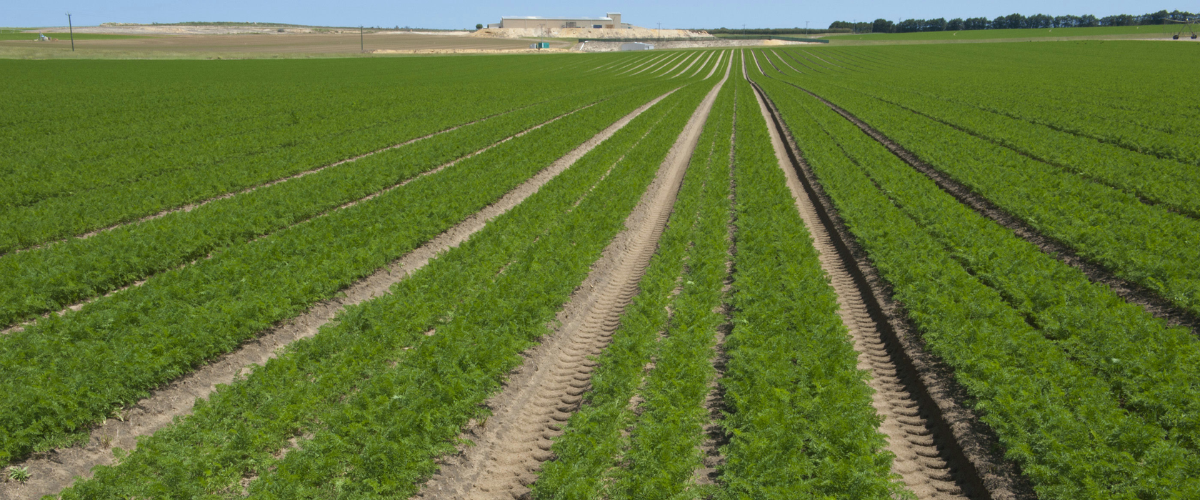
Australian carrot growers have spoken and the message is clear. Reducing losses, improving quality and increasing the percentage of carrots that make it into premium markets are now firmly at the top of the industry’s research agenda.
The Hort Innovation-funded Maximising carrot packout (VG24007) project is bringing together growers, researchers and industry leaders from across Australia to tackle some of the most costly and persistent challenges affecting carrot production.
Led by the Western Australian Department of Primary Industries and Regional Development (DPIRD) in collaboration with the South Australian Research and Development Institute (SARDI) and the Queensland Department of Primary Industries (QDPI), the three-year project aims to maximise the packout of high-quality carrots through improved production and handling practices.
With growers facing increasing pressure to produce premium-quality carrots for domestic and export markets, even small reductions in rejects can have a significant impact on farm profitability. That’s why one of the project’s first priorities was to ask growers directly, “What is costing you the most?”
Following a national survey and interviews representing an estimated 80 percent of Australian carrot production, five major R&D priorities emerged. Post-harvest carrot splitting was identified as the number one issue, followed by Pythium-related cavity spot and forking, black scabby lesions of unknown origin, nematodes, and crown rot caused by Fusarium.
These findings have already reshaped the direction of the project.
“Growers have provided us with a clear picture of where the biggest opportunities lie,” said Tom McCue, Research Manager at Hort Innovation.
“What makes this project particularly exciting is that it’s being driven directly by industry priorities. We’re not just identifying problems – we’re working alongside growers to develop practical, science-based solutions that can improve packout, profitability and market competitiveness for the Australian carrot industry.”
The survey results were combined with a comprehensive literature review and presented to growers at a national workshop attended by representatives from all major carrot-growing regions. Together, growers, researchers and industry advisors reviewed the evidence, challenged assumptions and helped refine a draft national R&D plan.
A key focus area is carrot splitting, which growers identified as the industry’s most significant priority. While splitting has long been recognised as a costly issue, its causes are complex and often seasonal. The project will investigate factors such as nutrition, irrigation, plant moisture levels, weather conditions and harvest practices, while revisiting promising but largely unadopted techniques such as pre-harvest leaf trimming.
Researchers will also tackle major disease challenges. New work is planned to better understand Pythium-associated disorders, identify the causes of emerging black scabby lesions, improve management of nematodes and investigate solutions for Fusarium related crown rot. Importantly, the project will assess both established and emerging chemical, biological and cultural control options.
According to industry participants, the timing couldn’t be better.
“One possibility is to consider new biological and chemical options either becoming available or nearing commercialisation,” said a grower representative at the workshop.
“This project provides the perfect opportunity to independently assess what delivers results under Australian growing conditions and give growers confidence in future management decisions.”
The project has already moved beyond planning and into action. Intensive on-farm monitoring is now underway across multiple growing regions, collecting data on climate, soil moisture, nutrition, disease pressure and packout performance. Researchers are also working with growers to quantify losses more accurately and identify the specific factors contributing to rejects.
This real-world data will underpin the next phase of the project, where targeted field trials will be established on commercial farms and research stations around the country. Findings will then be translated into practical tools, resources and recommendations that growers can confidently adopt.
Ultimately, the goal is simple: more premium carrots, fewer rejects and stronger returns for Australian growers. By combining grower experience with targeted research and national collaboration, the project is laying the foundation for a more productive, profitable, and resilient carrot industry.