


Optimising nitrogen with cover crops: Oakdale (NSW) demonstration site update
27 February 2026
Nuffield Scholar aims to improve farm planning
27 February 2026
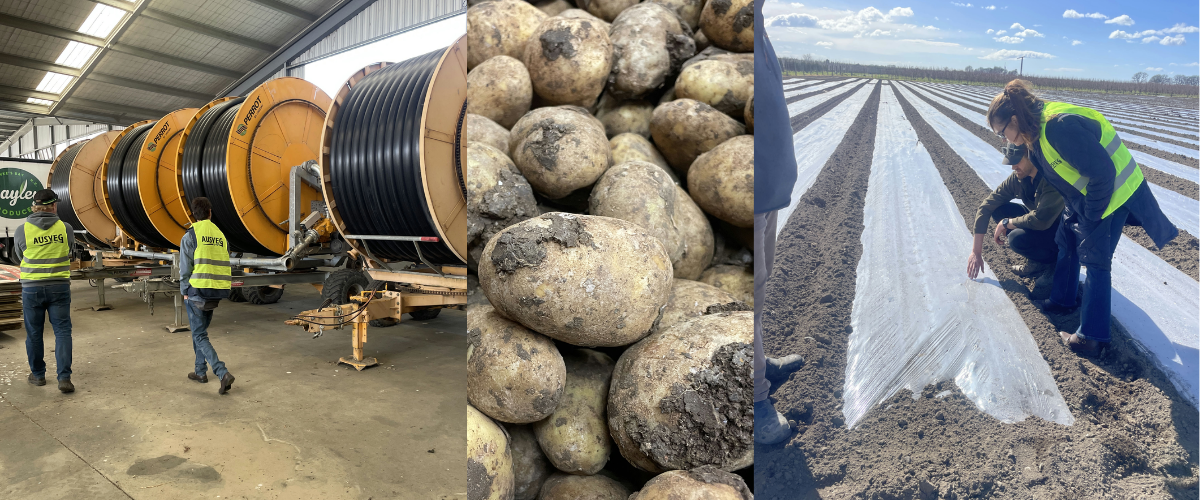
These industry study tours provide opportunities for Australian vegetable and onion growers and supply chain businesses to increase their awareness and knowledge of the research and innovations in the global horticulture industry. This is achieved through the delivery of tours to strategic vegetable and onion growing regions, conferences, facilities, and innovation centres around the globe.
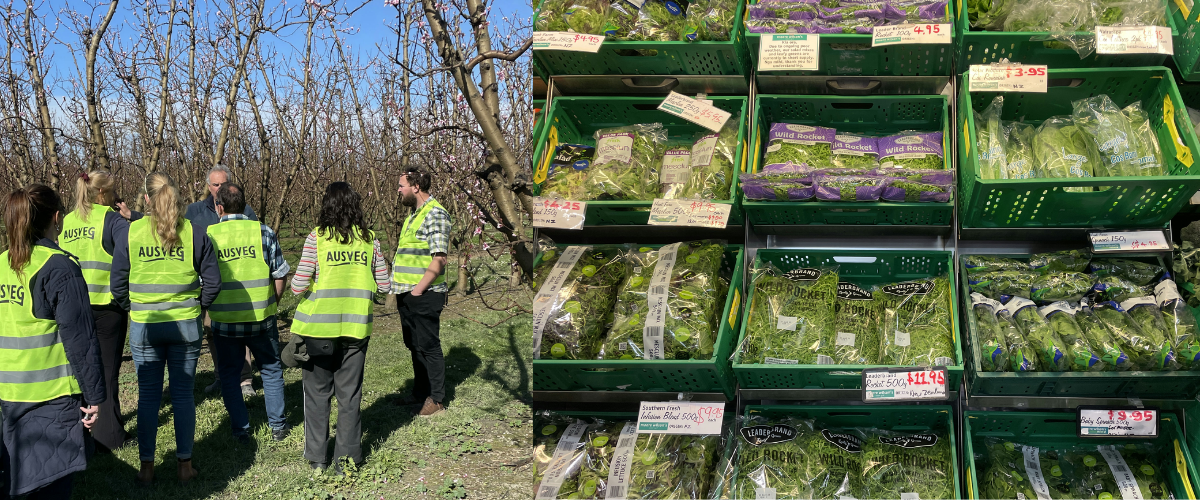
Over five days the group visited farming operations across the country’s North Island, the biosecurity operations at Wellington’s international airport, as well as various retail operations. The group were also delegates at the annual New Zealand horticulture conference.
You can read a detailed wrap of the full study tour in the Summer 2025/26 edition of Australian Grower magazine.
Following the study tour, we caught up with the grower participants to hear about some of the key insights they gained.
Warrick Purdon
Warrick is the General Manager of Farm Operations with Hussey and Co. in Victoria’s Gippsland region, where they grow baby leaf vegetables.
Why did you want to go on the tour to New Zealand?
For me it’s always just about learning new things – learning something new from a new place and new people. It’s experience that you don’t get from a textbook or your local farmer down the road or even in our next state.
What was the highlight?
One of the highlights for me was seeing and talking to the guys after the conference and actually meeting a lot of growers that do very similar things and to the same sort of scale as what we do. And getting to talk to them about what they’re going through.
What did you see that was unexpected?
One of the interesting things we saw up towards Hawke’s Bay area was planting sweet corn under plastic, and it was basically just to bring him in a couple of weeks earlier to market. It was very interesting and I’d look at bringing that back home to us on a different scale. Because we have this divide in season between when Victorian growers switch off and Queensland growers start and vice versa at the end of the season. And being a Victorian grower, being able to come on maybe a week or two earlier is definitely something that we’ll be looking into and potentially implementing this season.
Would you recommend to others in the industry taking part in one of the study tours?
I think [it’s worth it for] the contacts and relationships that you make. I made contacts at the conference that I could now go to New Zealand on a separate study tour of my own if I wanted to, and could go and have a look at them and see the operation and get some more insight and advice.
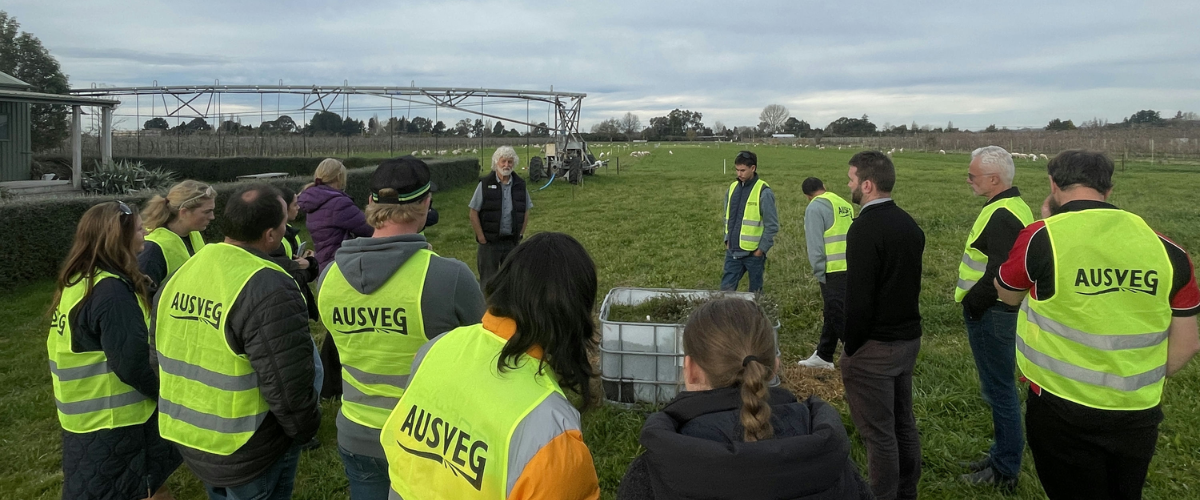
The group at LandWISE Inc.
Calvin Parker
Calvin is Farm Operations Assistant Manager on his family’s farm near Manjimup in Western Australia, where they primarily grow potatoes, but also some other vegetable crops.
Why did you want to go on the tour to New Zealand?
I think that New Zealand is a similar sort of environment, and their regulations are pretty similar to Australia. So I think it was learning new things over there that we can potentially adapt and use over here.
What was the highlight?
We did go to a potato farm over there and we talked a lot to the farmer, and he had a lot of interesting things to talk about. They don’t use irrigation over there, whereas we spend a lot of money on irrigation and watering our crops. Also, the chemicals that are getting taken away over there could potentially be taken off the shelves here, and I think that it’s good to see what they’re doing to adapt.
What did you see that was unexpected?
We went to an asparagus farm, and they were growing under a small plastic dome, just 30 cm off the ground, and that was so they could get into that market earlier and therefore they were getting a much better price.
A couple of other things I [noticed] was it was a lot different in the aspect of land prices. In the Manjimup Pemberton area where Jimmy and I are, land prices generally are around $50,000 a hectare, and sometimes even less than that.
Over there, prices are up to $200,000 a hectare, and I just don’t know how it’s viable for them to be buying land at that sort of price and with all the input costs that they talked about. It just didn’t really add up. The other thing was that the scale of some of the farms we went to were just massive.
Would you recommend to others in the industry taking part in one of the study tours?
The people on the tour that we met, like Warwick for example, we might live on the other side of the country, but if we’re ever over there, we would definitely contact him and go and have a look at his operation, along with multiple other people that we met.
Jimmy Fox
Jimmy is part of his family’s farming operation near Pemberton in Western Australia, primarily growing potatoes, but also other crops.
Why did you want to go on the tour to New Zealand?
I just wanted to learn new things and meet new people as well that are in a different industry than us.
What was the highlight?
It was going to the apple farms there and realising how they’ve adapted after the floods. With the apple farms, [they’re] pretty similar with the netting and how they’ve grown the apples and the pruning, but different in some ways as well. With the irrigation, normally we have sprinklers that shoot up around the trees, but they use old drip irrigation that shoots right onto the roots underneath where the tree is. That was quite a bit different.
Another good thing is to get out and learn and see other countries and how they do stuff. More of it should happen.
What did you see that was unexpected?
We went to a few real big farms there and they have 300 people working for them. We only probably employ four or five people.
Would you recommend to others in the industry taking part in one of the study tours?
I would 100 percent recommend this tour, especially for younger farmers like me. I think more of us should get out and meet other people, which is a very big thing. We made some pretty good relationships with people over there.