


VegNET Wide Bay Burnett: Agronomist Networking Breakfast strengthens regional connections and industry knowledge
3 March 2026
VegNET FNQ: WaterWise Together – Building healthier soils to manage run-off in the dry tropics
3 March 2026
Reading Time: 4 minutes
The upcoming year is looking to be a cracker for VegNET in the Northern Territory (NT) with plenty of ways growers can get involved, seek assistance and gain benefit from the project. VegNET NT will continue with focus areas from previous years, including pest management, water efficiency and licensing support, plant nutrition and future production and market opportunities. To support these focus areas, there will be new trials, industry tours, and events taking place to assist growers.
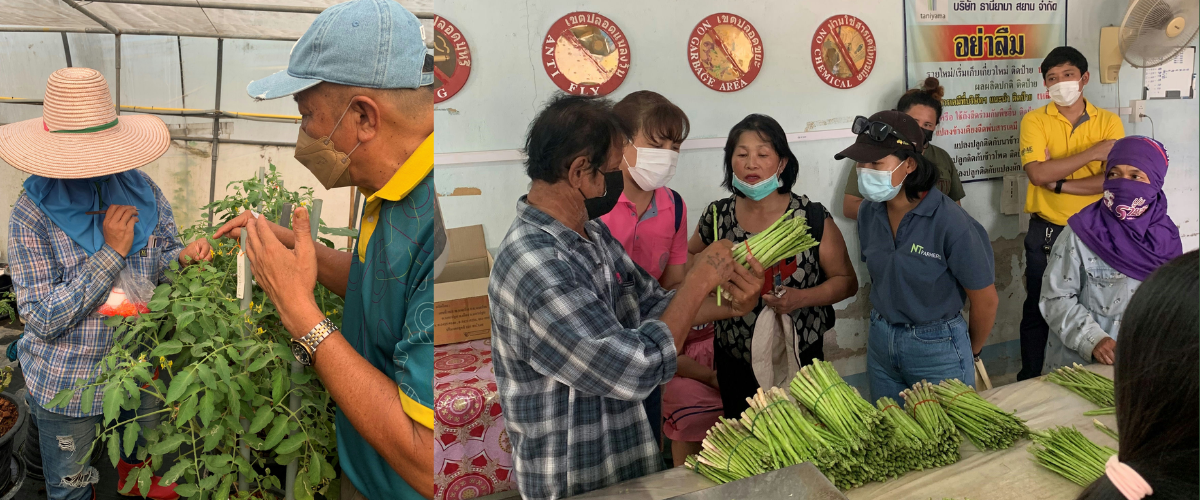
Thailand vegetable industry tour
In late February, 11 NT vegetable growers and agronomists will be heading to central Thailand to experience a week-long industry tour visiting vegetable farms and businesses that grow similar commodities to those grown in the NT. As Thailand has a long standing tropical fruit and Asian vegetable industry, the industry tour is expected to be a highly valuable week for those attending.
In previous years NT Farmers has teamed up with the Department of Agricultural Extension in Bangkok to run industry tours in both the NT for Thailand growers and in Thailand for NT growers as part of a successful knowledge exchange and professional development opportunity. In 2026 VegNET NT will be taking over the running of the tour, with the focus being predominately on vegetable production. Whilst in Thailand, the participants can expect to visit vegetable farms such as okra, snake bean and melon/pumpkin farms, all of which are major commodities grown in the NT. They will also visit tomato, mango, coconut, and citrus farms, all varying in their farming methods including organic and protected cropping systems.
Whilst the content of the tour is the main take away, another key success is the relationships built between the NT growers attending. These growers often produce the same commodities and face similar on-farm and market challenges. Building a relationship with each other often has tangible positive impacts once returning to the NT.
Electric fencing trial
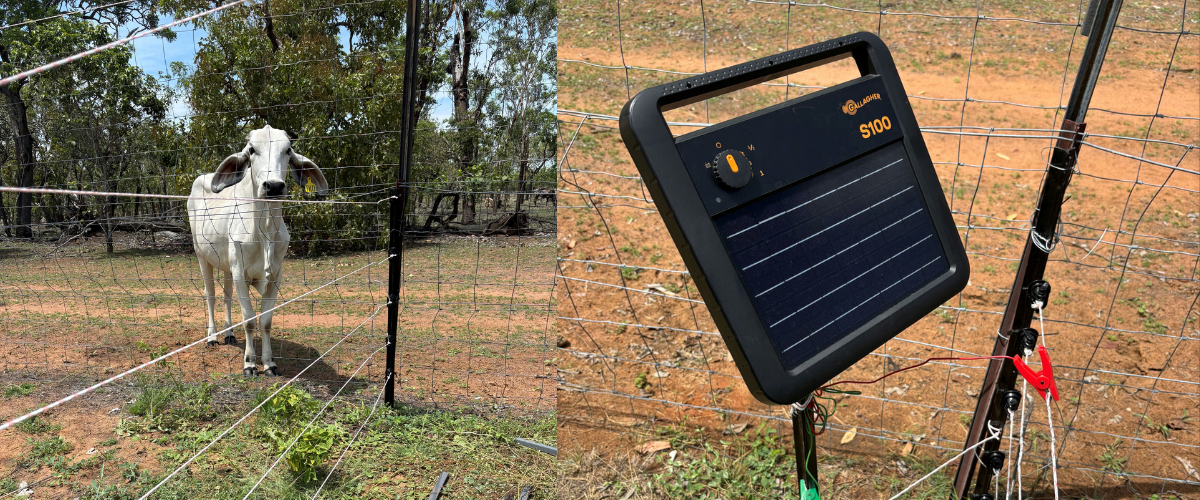
Wallaby damage to vegetable crops is a significant issue for growers in the outer Darwin and Katherine regions with some farmers even reporting 100 percent crop damage/ loss in a variety of vegetable crops. While it is common in the Katherine region to have permanent wallaby exclusion fencing around the property, this can be costly to install and maintain. For this reason, VegNET is trialling a portable electric fencing system on a farm in the area, which would offer a low-cost alternative that is able to be taken down and moved depending on where the grower is planting and when.
Using electric fencing to protect crops from wallabies has proven successful in other parts of the country, however there are unknowns regarding the effectiveness and robustness of a portable system. The concept does suit vegetable production systems in these regions, so VegNET is keen to see if the fencing system will be a success against the wallabies for the Katherine vegetable grower’s crop this season.
Fusarium wilt management trial
Fusarium wilt is caused by a fungus and commonly causes yellowing, wilting, stunting, and eventually plant death in a variety of vegetables grown in the Top End region. Snake bean is a dominant crop grown in the Top End region and is one of the most common crops impacted.
VegNET NT is teaming up with a snake bean grower to see if they can reduce the impact of Fusarium wilt on his snake bean crop within a one-year period. Like many soil-borne diseases, significant improvements often take several years. However, VegNET NT did not shy away from the task of seeing what positive impact, if any, they could have in this short period.
To do this, VegNET NT engaged an agronomy consultant and developed a plan. The snake bean crop was taken out in August 2025 and a crop that is not considered a host of the types of Fusarium found in the NT (okra) was planted. When the okra crop is finished in January, a cover crop will be planted with another species that is not known for Fusarium. Ideally, the area would be left free of hosts for several years. However, with a one-year time frame to work with, a snake bean crop will be planted in May 2026, with close attention from an agronomist and the implementation of a nutrition and management plan to give the crop the best chance of success against Fusarium wilt. This will include using fertilisers that are not ammonium-based and implementing certain bio-stimulants and fungicides.
Grafted snake bean is also a possible solution to growing snake bean in Fusarium infected soils.
VegNET NT has also teamed up with the Department of Agriculture, Fisheries and Food to plant a row of snake bean that have been grafted onto a Fusarium resistant root stock (cowpea) in a known Fusarium impacted area to test the success of the grafted plants.
And there’s more…
Alongside farm trials and industry tours, VegNET NT will also be running workshops and other sub-projects to assist growers. VegNET NT aims to hold a grower meeting in the Marrakai region early in the year to assist growers who have recently received a water licence to understand their licence and reporting requirements.
VegNET NT is also looking at commencing a sub-project that will allow growers to work closely with agronomists to fine tune their nutritional plans for their crops. This will include free SAP and tissue sampling for growers to get an indication of the benefits these services can have to their farm’s efficiency and productivity.