


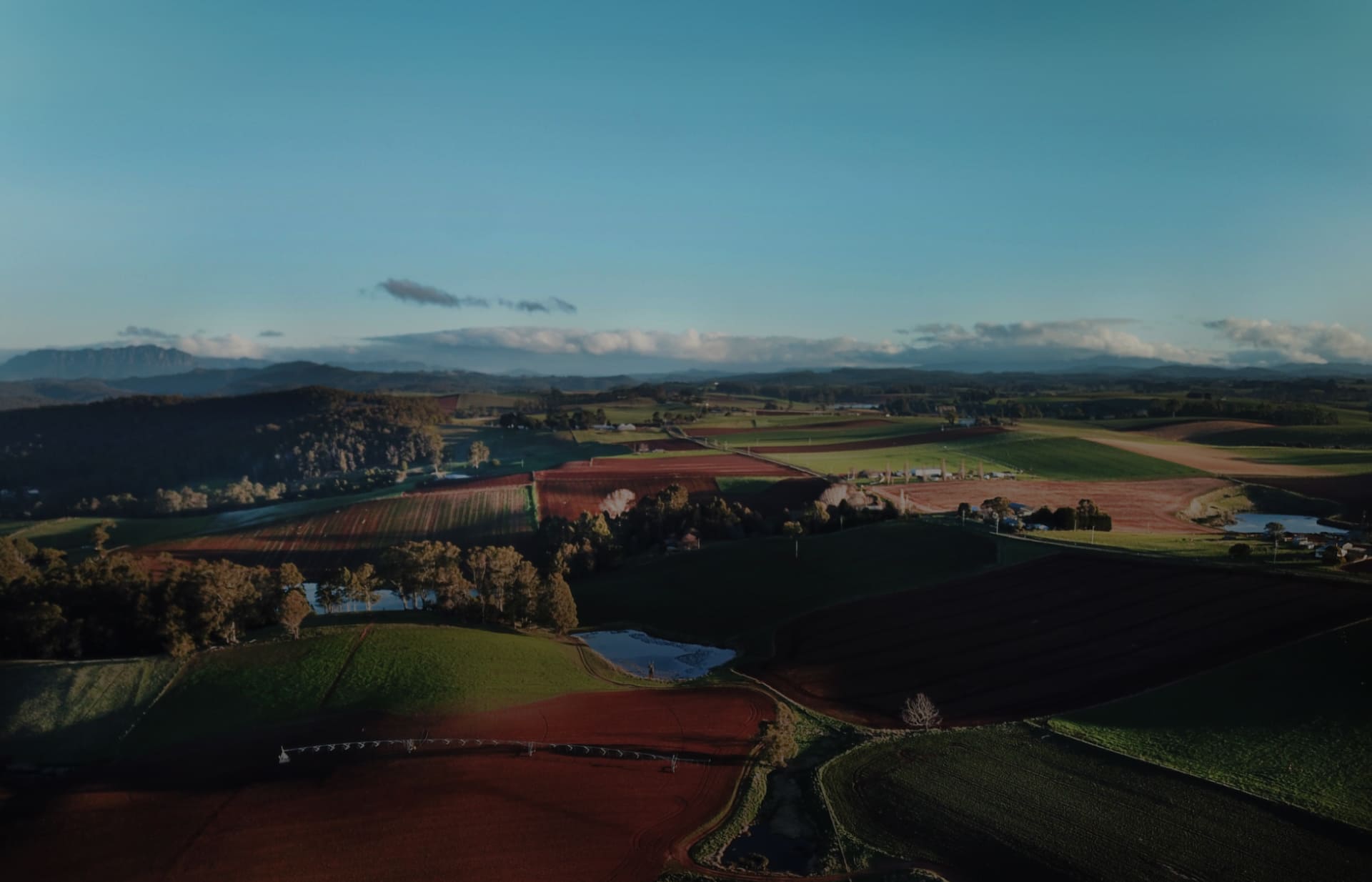
Forum builds biosecurity capacity in regional communities
Feedback sought on Eastern Bloc approach to tomato potato psyllid detection
AUSVEG can help with your Freshcare QA training needs
Agrichemical prioritisation workshops coming to Far North Queensland
Surveillance of tomato potato psyllid in the eastern states and South Australia
Levy-funded report analyses viability of protected cropping in tropical Australia
Protected cropping of vegetables in Australia is mostly located in temperate climate regions and in proximity to urban areas, with a total area of production currently estimated at around 1,300 hectares. In warm climate regions, such as those near and north of the Tropic of Capricorn, the segment of the industry using protected cropping technologies is scattered and relatively small (less than 80 hectares in total).
Vegetable growers in these regions could benefit from technologies that can mitigate risks linked to climate variability and that could help them address current and future market challenges and opportunities. Evidence from overseas, including in tropical regions, indicates that protected cropping technologies can mitigate the effects of extreme weather (including air temperature and relative humidity), solar radiation, and pests and diseases.
A new report produced by a levy-funded project has analysed the viability of expanding the small or emerging protected cropping industries in four regions: the Burdekin Dry Tropics, the Atherton Tablelands, Bundaberg and Carnarvon.
The report gives particular focus to the availability of medium-level, cost-effective protected cropping structures that can remove heat from crops, and compares four greenhouse structure designs: high tunnels, passively ventilated greenhouses, retractable roof structures and net houses.
It also shows a preliminary economic analysis of producing capsicum crops in different protected cropping scenarios in the tropics, with the results suggesting that protected cropping could be a viable business opportunity in regions of tropical Australia.
To take a look at the full report, including the thorough analysis of growing regions, protected cropping structures and economic viability of protected cropping, click here.