


Managing onion canopy diseases through molecular diagnostics
18 May 2026Staying ahead of chemical losses
18 May 2026
Reading Time: 4 minutes
The Australian vegetable industry has always been resilient, but we face ongoing pest and disease biosecurity challenges that no individual farming business or industry member can tackle alone. Whether it’s a new beetle hitching a ride on imported goods or a recently arrived pest spreading to new regions, biosecurity threats are a constant reality in our industry.
Addressing the vegetable industry’s biosecurity needs
Plant Health Australia, together with AUSVEG and government partners, has updated the Biosecurity Plan for the Australian Vegetable Industry (Version 4.0) – a comprehensive five-year (2025-2030) framework that puts the vegetable industry’s needs at the centre of Australia’s plant biosecurity efforts.
This is your industry’s biosecurity plan, developed using your levy funds with input from pest and disease specialists, government and industry representatives to ensure it prioritises pest threats based on their potential impact on farm profitability, market access and long-term industry sustainability.
The 2025–2030 Biosecurity Plan focuses on four strategic areas:
- Pest threat identification and risk assessment ensure we’re always looking ahead to identify new risks before they arrive.
- Risk mitigation and preparedness provide a roadmap to reduce exposure to new pests, and ensure information and resources are available to help make informed decisions if a new pest arrives.
- On-farm biosecurity support. A new Farm Biosecurity Manual for Vegetable Growers has been developed by AUSVEG to help you assess the biosecurity risk pathways onto your farm and implement measures that fit your operation while contributing to industry-wide protection.
- Communication and reporting systems ensure you have clear pathways to report suspect pests and are informed about responses, management options and available support programs.
Biosecurity – a numbers game?
More than 845 plant pests and diseases currently not found in Australia that could impact local vegetable production were assessed to develop the shorter list of 28 high priority pests. This assessment included nine major vegetable crop groups that drive our industry’s $6 billion annual value.
Each potential pest threat was rated on four key factors:
- how likely it is to get into Australia
- whether it could establish itself here
- how quickly might it spread, and,
- what kind of economic damage it could cause?
By assessing the risk of each potential pest, resources can be directed to those that pose the greatest threat.
How the plan is put into action to benefit your farming businesses
The Biosecurity Plan includes an Action Plan that sets out specific priorities for industry, R&D organisations and government to work together to deliver tangible benefits for industry. Each component of the biosecurity plan represents investment in the long-term profitability and sustainability of Australian vegetable production. Enhanced diagnostic capabilities, improved surveillance systems and informed decision making all contribute to reducing the costs and risks associated with pest arrival and management.
The importance of surveillance and diagnostics
Surveillance or monitoring programs that target priority pests can demonstrate that a pest is absent from a growing area. These zeros can be used to support market access. Monitoring can also support earlier detection of new pest threats, giving more time to implement response or management options before problems become widespread. Improving diagnostic capabilities will provide faster, more accurate identification of pests, reducing the guesswork and crop losses that come with delayed or incorrect diagnosis.
Strengthening market position and trade opportunities
The plan also strengthens our industry’s ability to maintain and expand domestic and export markets. Trading partners want assurance that produce comes from a biosecurity-conscious source. Jurisdictions are increasingly asking for data to demonstrate the absence of certain pests, while international markets increasingly demand evidence of robust biosecurity systems and pest data. The Biosecurity Plan demonstrates our commitment to producing safe, high-quality vegetables that meet global standards. Strong biosecurity credentials help Australian vegetables compete against imports and support expansion into new export markets.
Our collective role in biosecurity success
The Biosecurity Plan for the Australian Vegetable Industry represents our collective commitment to maintaining Australia’s position as a leading vegetable producer. By identifying and preparing for high-risk threats before they arrive, we can protect our industry’s profitability while building resilience against future challenges. Success depends on active participation from industry, government and other stakeholders. This includes implementing recommended on-farm biosecurity practices, participating in surveillance programs, and reporting and responding appropriately to unusual pests promptly to support productivity, profitability and trade.
Clear pest priorities for vegetable industry biosecurity
The Biosecurity Plan organises the pests into categories that help us understand which matter the most:
- High Priority Pests (HPPs) are those exotic pests that pose the greatest risk to vegetable production – the ones that could devastate crop production, shut down markets, or force costly management changes.
- Exotic Pests to Monitor (EPMs) include pests that pose a threat but currently have a lower likelihood of entry, establishment, or spread than the HPPs. Staying alert to these threats helps us prepare before they become problems.
- Other Pests of Biosecurity Significance these pests are economically important to the vegetable industry and meet at least one of the following: (i) currently under quarantine arrangements or restricted to certain regions in Australia, (ii) notifiable by law, or (iii) have market access implications.
This three-tier system ensures resources focus on the biggest threats while maintaining awareness of emerging risks that could affect your farm in the future. Of the 845 exotic pests assessed, 28 (3.7 percent) were identified as HPPs and 118 (13.9 percent) were identified as EPMs.
KEY PESTS TO LOOK OUT FOR AND MONITOR
| COMMON NAME | Yellow decline | Chinese rose beetle | Black bean aphid | Tomato chlorotic spot virus (TCSV) | Leaf miners |
|---|---|---|---|---|---|
| SCIENTIFIC NAME | Candidatus Liberibacter solanacearum. Haplotypes C, D, E | Adoretus sinicus | Aphis fabae | Liriomyza spp.1 | |
| HOST(S) | Carrot, celery & other apiaceous plants | Hosts include beans, brassicas & solanaceous crops. | Hosts include onions, beetroot, capsicum, beans & cucurbits. | Capsicum, lettuce, bean & tomato. | Hosts include spinach & potato. |
| IBP STATUS | High priority pest not known to occur in Australia | High priority pest not known to occur in Australia | High priority pest not known to occur in Australia | Exotic pest not known to occur in Australia | Australian pest of biosecurity significance Some leaf miners remain under official control in Australia due to restricted distribution, while others, such as Tomato leaf miner, are not known to occur in Australia. |
| IDENTIFYING FEATURES | 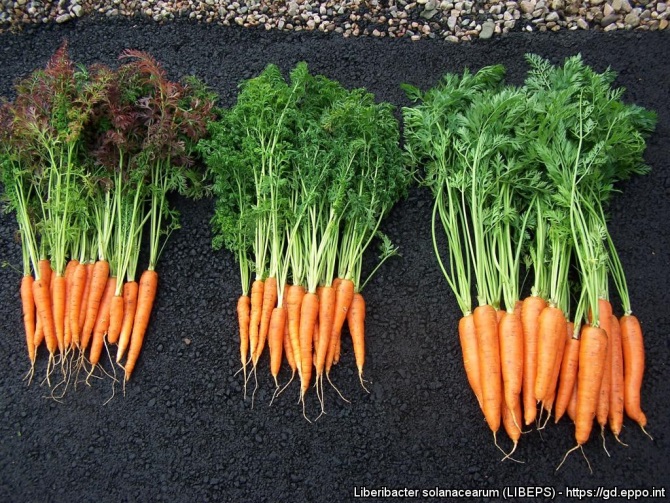 | 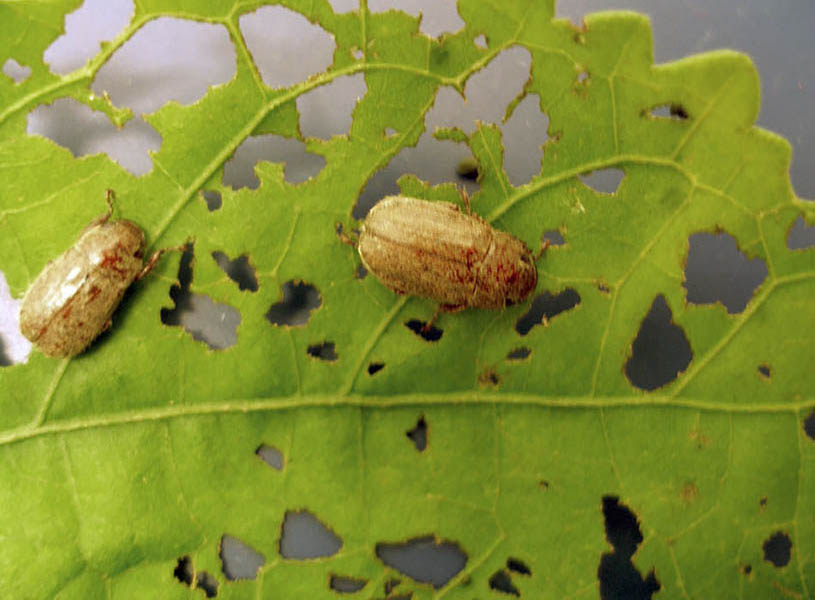 | 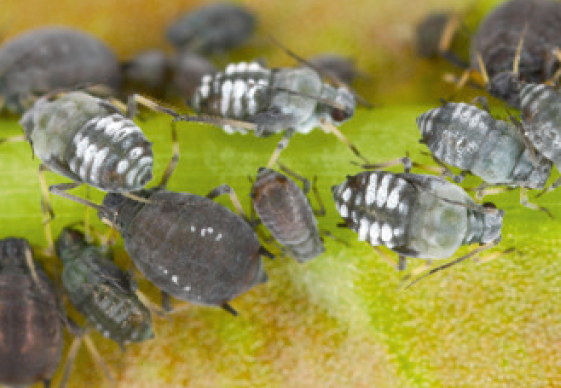 | 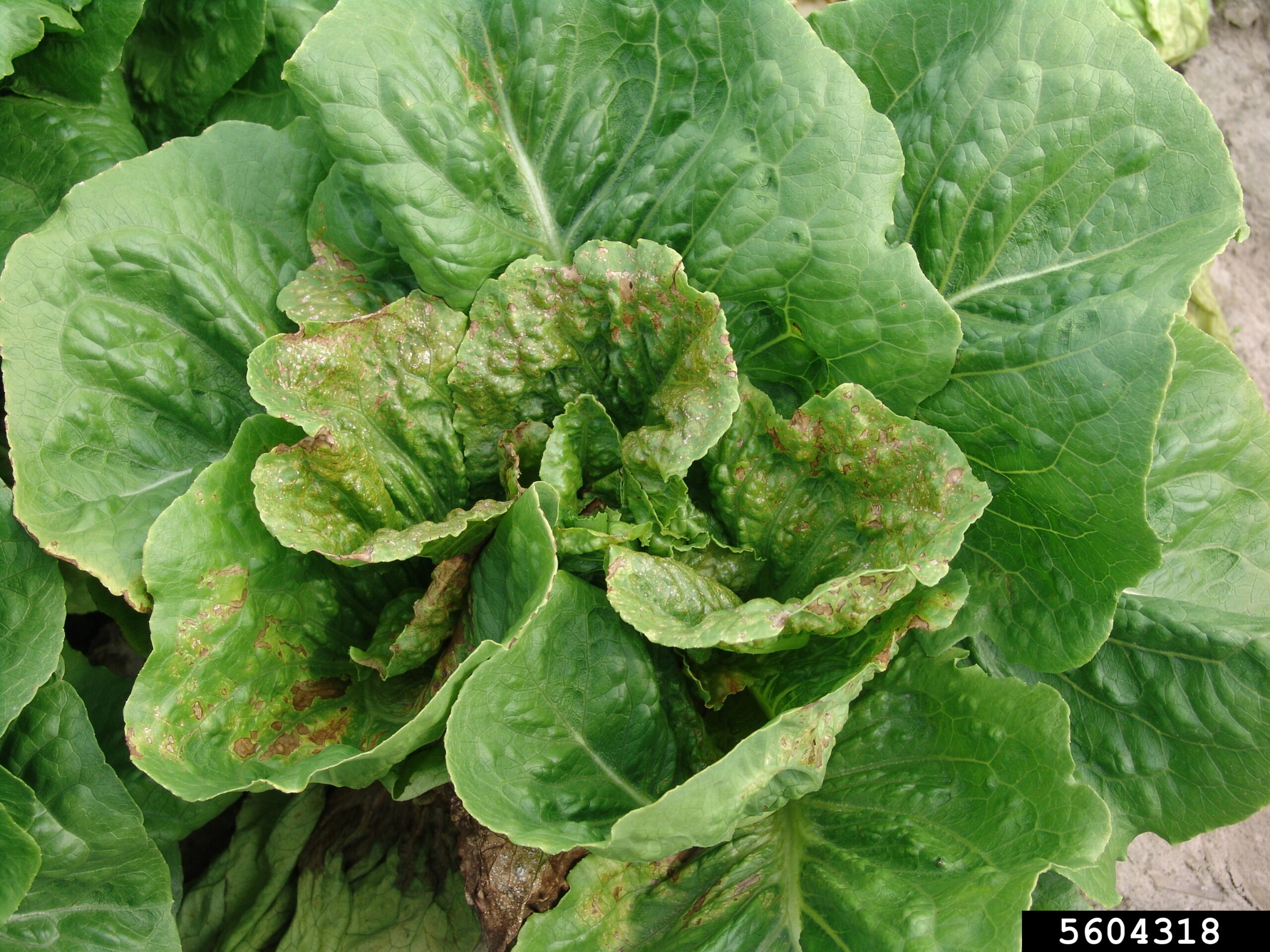 | 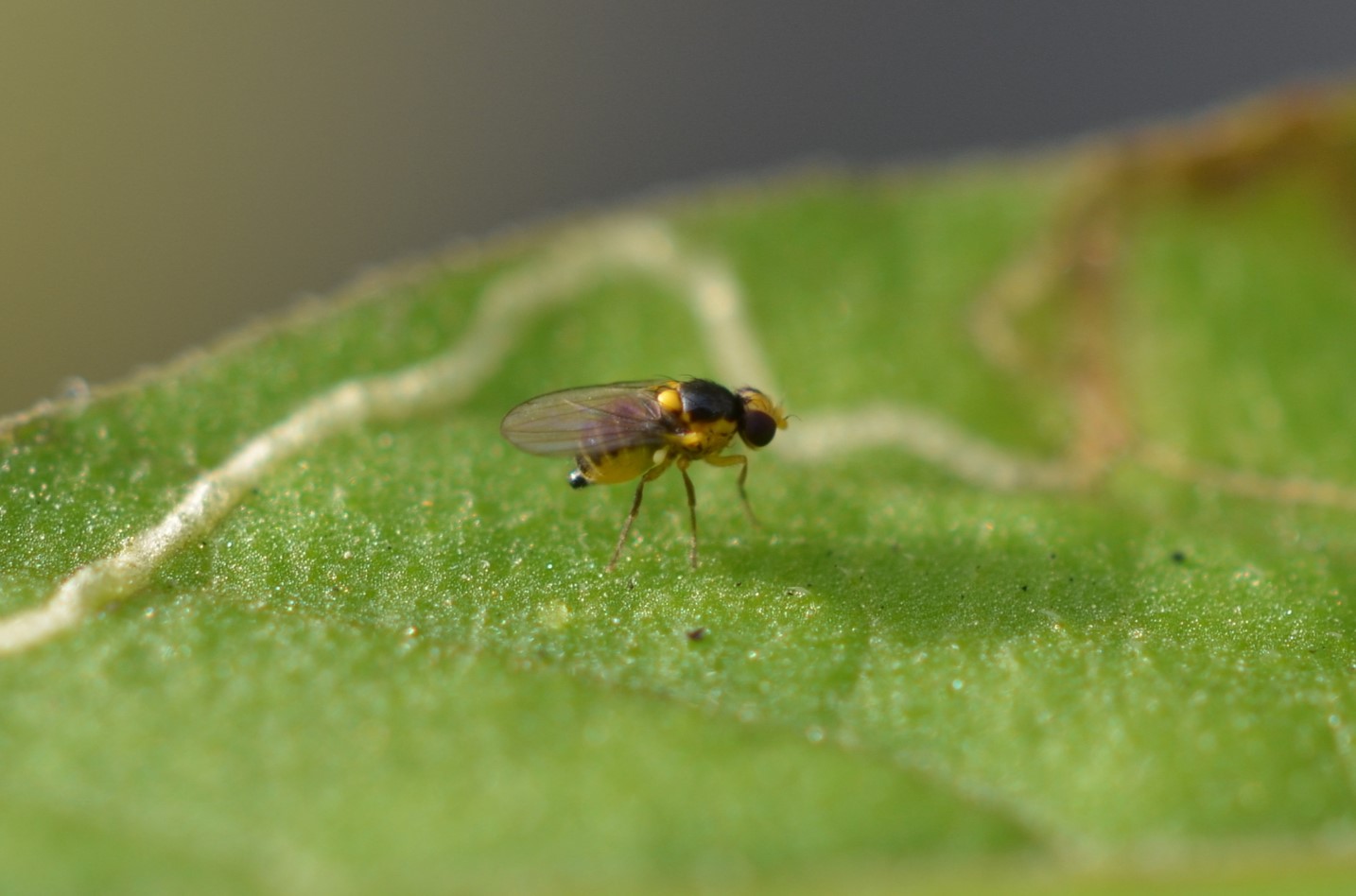 |
| Carrots infected with Candidatus Liberibacter solanacearum showing curling & purple discolouration of foliage (left), leaf curling (centre) & symptomless infected carrots (right). ©Joseph E Munyaneza. USDA-ARS | Two adult Adoretus sinicus on a leaf, showing typical interveinal feeding damage. ©Grant T McQuate. USDA-ARS, Pacific | Mourad Louadfel, Retired | TCSV symptoms on lettuce. Gerald Holmes, ©Bugwood.org | Leaf miner adult with mines visible on the leaf surface. ©Bugwood.org |
1. Includes vegetable leafminer (Liriomyza sativae), serpentine leafminer (Liriomyza huidobrensis) and American serpentine leafminer (Liriomyza trifolii).
Download the Most Unwanted Vegetable Pests & Diseases Poster here.