


Fact Sheet: Stemphylium leaf blight in onions
30 April 2026
Why pest monitoring and surveillance matters – and why it’s tricky
18 May 2026
Reading Time: 4 minutes
VEGNET FAR NORTH QUEENSLAND
REGIONAL UPDATE
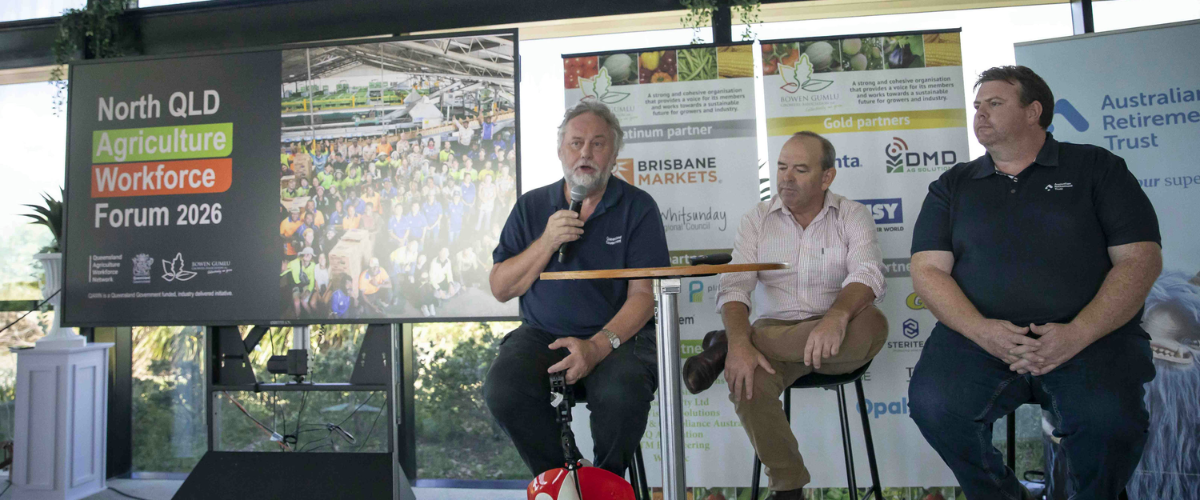
The North Queensland horticulture industry continues to face one of its most persistent challenges: securing a reliable, skilled and sustainable workforce. In response, the recent North Queensland Agriculture Workforce Forum provided a timely opportunity to bring growers, workforce providers, government and industry representatives together to focus on practical solutions.
Held by the Bowen Gumlu Growers Association’s (BGGA) Gillian Russell, Workforce Development Officer for the Queensland Agriculture Workforce Network (QAWN) program, and supported by VegNET, the forum created a valuable platform for open and constructive discussion. Growers shared firsthand insights into the realities of managing labour on-farm, including seasonal shortages, the complexity of migration pathways and the increasing compliance burden. These conversations reinforced the need for workforce systems that are both efficient and aligned with on-ground conditions.
The program featured a strong mix of policy, program and grower-led perspectives. Representatives from the Department of Employment and Workplace Relations, including Murray Lehmann and Eliza Glasson, provided an overview of current workforce settings and employer engagement, helping growers better understand available support and program direction.
International labour pathways were a key focus, particularly the Pacific Australia Labour Mobility (PALM) Scheme and the Pacific Engagement Visa (PEV). Sessions outlined how PALM continues to support peak seasonal demand, while the PEV offers a longer-term pathway aimed at workforce continuity, regional settlement and building leadership capacity within businesses. Together, these programs highlight the evolving mix of labour options available to growers.
At the same time, there was a strong emphasis on building local workforce capability. TAFE Queensland representatives Julia Wheway and Annmarie Redsell, alongside Department of Trade, Employment and Training staff, demonstrated how traineeships can be used to develop skills, improve retention and create clear career pathways within businesses. This theme was reinforced by the ‘Growing Our Own’ panel, which included local students and explored how industry can better engage the next generation and strengthen local employment pipelines.
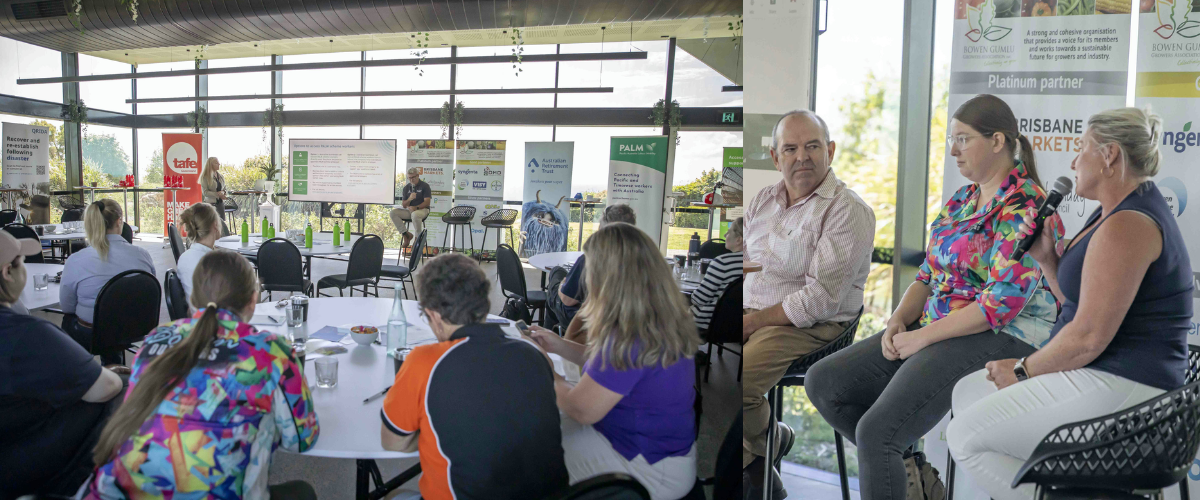 Grower experience remained central to the conversation, with an industry panel featuring Megan Pettitt, Melita Jurgens, Megan Spannagle and Justin Heaven. Panellists shared how they are balancing a mix of labour sources, including PALM workers, working holiday makers and local employees, while managing seasonal peaks and maintaining productivity. The discussion reinforced that there is no single workforce solution, and that flexibility, planning and investment in people are critical to long-term success.
Workforce retention also emerged as a key theme throughout the day. While attracting workers remains challenging, maintaining a skilled and engaged workforce is also important. Many growers highlighted that improvements in workplace culture, communication and staff development can have a significant impact on retention and overall business performance.
The forum also addressed the growing compliance and risk landscape facing employers. Sessions delivered by Workplace Health and Safety Queensland and Australian Retirement Trust outlined key obligations and emerging risks for 2026. The focus was on practical steps growers can take to protect their workforce and ensure their businesses remain compliant in an increasingly regulated environment.
Looking ahead, Queensland Farmers’ Federation’s Kate Reardon emphasised the importance of workforce planning. Her session encouraged growers to take a more proactive approach by identifying future labour needs, addressing skills gaps and aligning recruitment and training strategies before challenges arise. This approach was positioned as critical to improving workforce continuity and reducing risk.
Beyond the formal sessions, one of the most valuable outcomes of the forum was the opportunity for connection. Bringing together growers, service providers and decision-makers helped strengthen relationships and create more direct pathways for support and collaboration across the region.
BGGA played an important role in facilitating grower engagement and ensuring North Queensland perspectives were well represented. Through its involvement in VegNET, BGGA continues to connect growers with information, services and advocacy, helping to ensure regional priorities are reflected at a broader industry level.
VegNET’s support of the forum highlights its ongoing role in strengthening the vegetable industry through regional extension, knowledge sharing and capacity building. By investing in initiatives like this, VegNET ensures growers have access to practical tools, relevant networks and timely information to navigate workforce challenges. Just as importantly, it provides a mechanism for regional voices to inform national discussions and policy development.
While there is no single solution to workforce challenges, the forum reinforced that progress lies in collaboration, planning and the effective use of available tools and programs. The North Queensland Agriculture Workforce Forum has helped shift the conversation from challenges to solutions, providing a strong foundation for ongoing work.
With continued support from VegNET and collaboration across industry, there is a clear opportunity to strengthen workforce stability and better equip growers to meet both current and future labour demands.
Farm Jobs Queensland launches
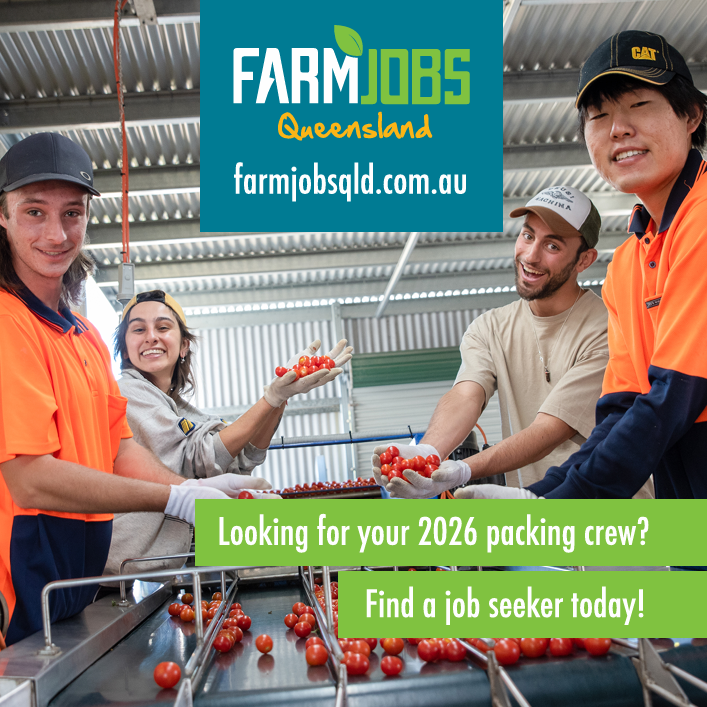 Adding to the suite of workforce support tools available is the newly launched Farm Jobs Queensland website. The platform provides a central hub for advertising roles and connecting employers with job seekers across the state, offering another practical avenue for growers to attract workers in a competitive labour market.
It is free for employers in the agricultural industry to post jobs, and free for job seekers to register their profiles. Farm Jobs Queensland expedites the connection between employers and job seekers by offering streamlined search functions such as location, skillset and availability, and is perfectly timed for the NQ picking season.
Visit farmjobsqld.com.au