


1 January 1996
1 January 2001
1 January 2005
1 January 2006
1 January 2005
1 January 2005
1 January 2009
17 June 2020
1 January 2008
1 January 2007
1 January 2010
20 July 2012
5 June 2013
20 March 2013
20 July 2012
12 February 2014
20 July 2015
31 August 2018
15 August 2018
30 June 2000
1 September 2000
1 September 2001
30 May 2000
1 December 2002
1 June 2004
1 July 2001
1 August 2024
Reading Time: < 1 minuteVegalogue is a podcast from Australian vegetable peak industry body AUSVEG. Each episode we take a look at issues affecting the Australian vegetable, potato and onion […]
6 September 2022
30 August 2024

Reading Time: 4 minutesBowhill Produce principally grows onions and carrots on the banks of the Murray River in the Murray Bridge region. Through trial and error, and learning from […]
11 December 2024

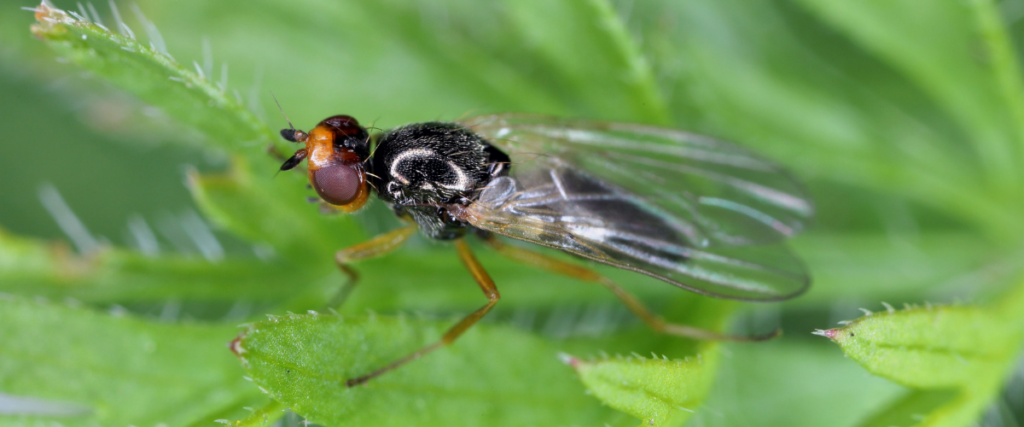
Reading Time: 4 minutesImagine a field of vibrant carrots, their orange hues promising a bountiful harvest. But beneath the surface, a hidden menace lurks. The carrot rust fly, a […]
5 February 2025
Reading Time: < 1 minuteGuava root-knot nematode (GRKN, Meloidogyne enterolobii) was detected in Australia in late 2022. This microscopic pest, primarily found in tropical regions, has rapidly spread around the […]
13 May 2018
Reading Time: < 1 minuteBilly makes Carrot & Annoying Orange Salad, a perturbed Lily meets an unlikely friend by the river, who teaches her the value of grit and the […]
28 May 2025
Reading Time: 5 minutesThe Australian fresh vegetable export landscape has experienced various changes and challenges in recent years. Fluctuating demand across global markets, evolving international trading conditions and the […]
12 July 2025
Reading Time: < 1 minuteTuyến trùng gây sưng rễ ổi (GRKN, Meloidogyne enterolobii) được phát hiện tại Úc vào cuối năm 2022. Loài gây hại cực nhỏ này, chủ yếu […]
12 July 2025
Reading Time: < 1 minuteGuava root-knot nematode (GRKN, Meloidogyne enterolobii) is a damaging microscopic pest, found mainly in tropical areas. In Australia, it has been found in residential gardens and […]
12 July 2025
Reading Time: < 1 minuteTuyến trùng gây u rễ ổi (GRKN, Meloidogyne enterolobii) là một loài gây hại cực nhỏ, chủ yếu được tìm thấy ở các vùng nhiệt đới. […]
12 January 2026
Assess the challenge and the opportunity: Set up a baseline of the issue by surveying and identifying the geographic spread of Group 1 herbicide resistance in […]
12 January 2026
This project is a new initiative designed to help Australian carrot growers reduce losses and deliver more high-quality carrots to market. The project will focus on practical, […]
27 February 2026
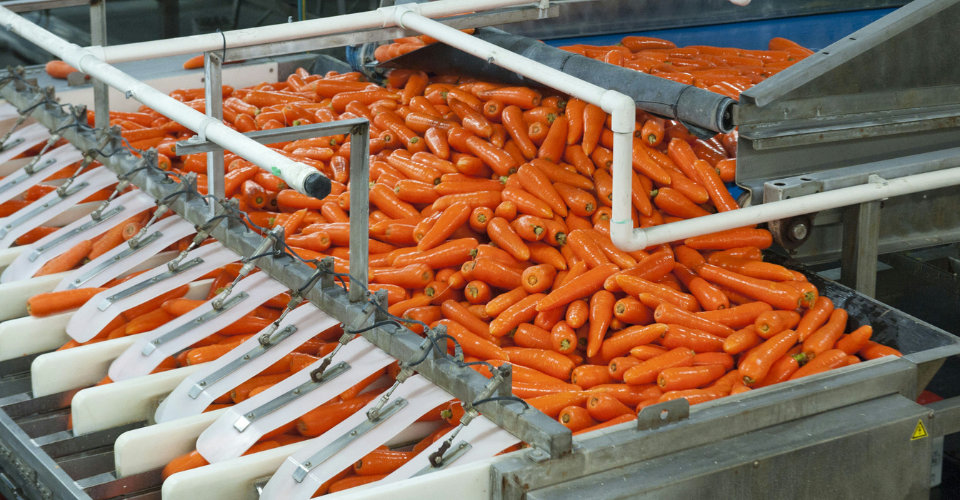
Reading Time: 3 minutesHort Innovation has contracted Western Australia’s Department of Primary Industries and Regional Development (DPIRD) to lead a new Australia-wide carrot Research and Development (R&D) project. The […]
7 July 2026
Reading Time: < 1 minuteYellow Decline is a bacterial disease caused by Candidatus Liberibacter solanacearum (CLso). The bacterium lives in the phloem and is spread by psyllid insects. Different CLso […]
28 August 2026
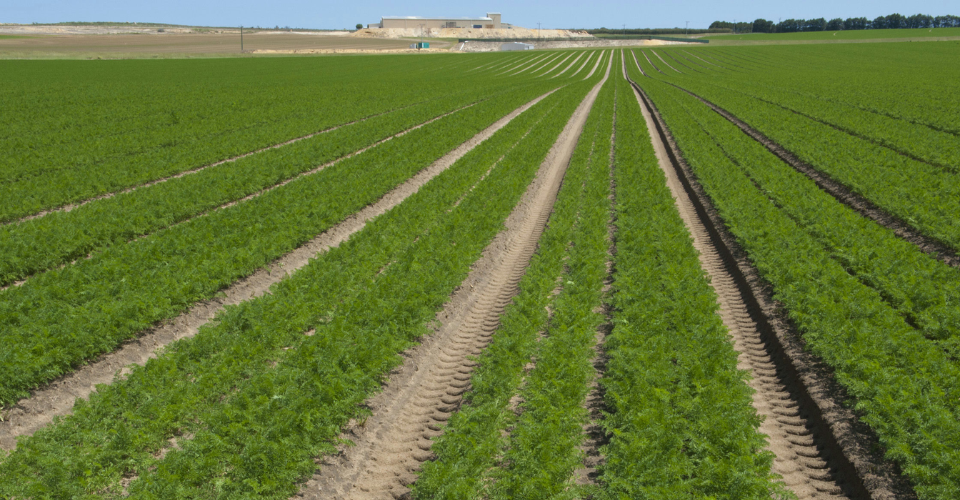
Reading Time: 3 minutesAustralian carrot growers have spoken and the message is clear. Reducing losses, improving quality and increasing the percentage of carrots that make it into premium markets […]
27 July 2022
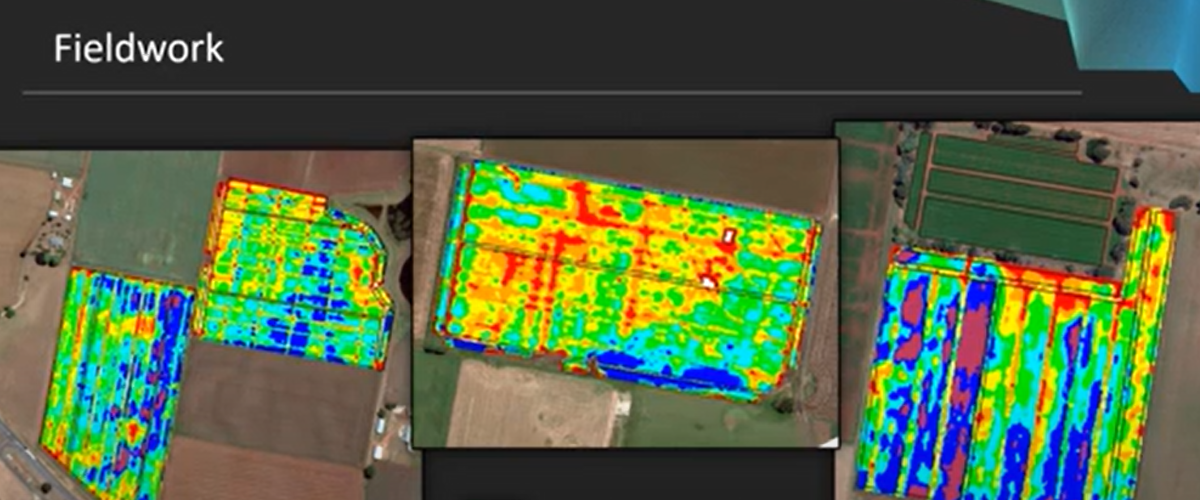
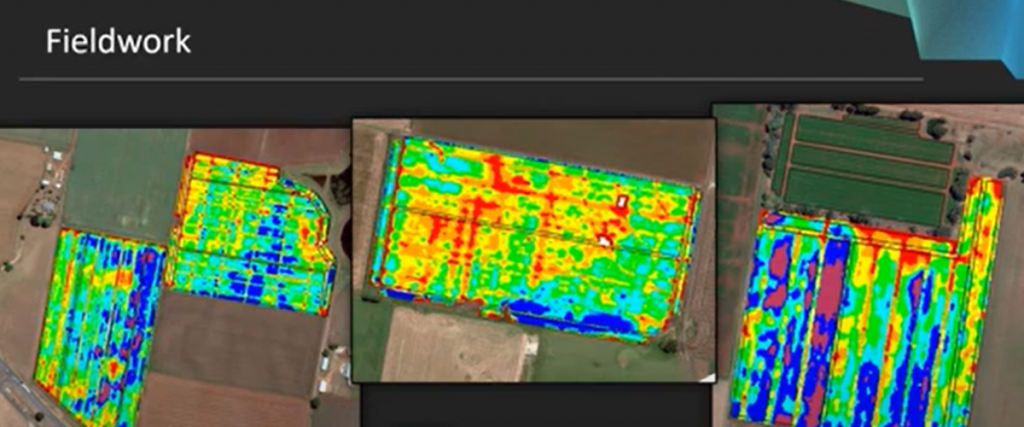
Reading Time: < 1 minuteThis presentation from the Soil Wealth ICP project highlights the general approach and results generated from using high resolution, multispectral satellite imagery to predict total carrot […]
17 December 2021
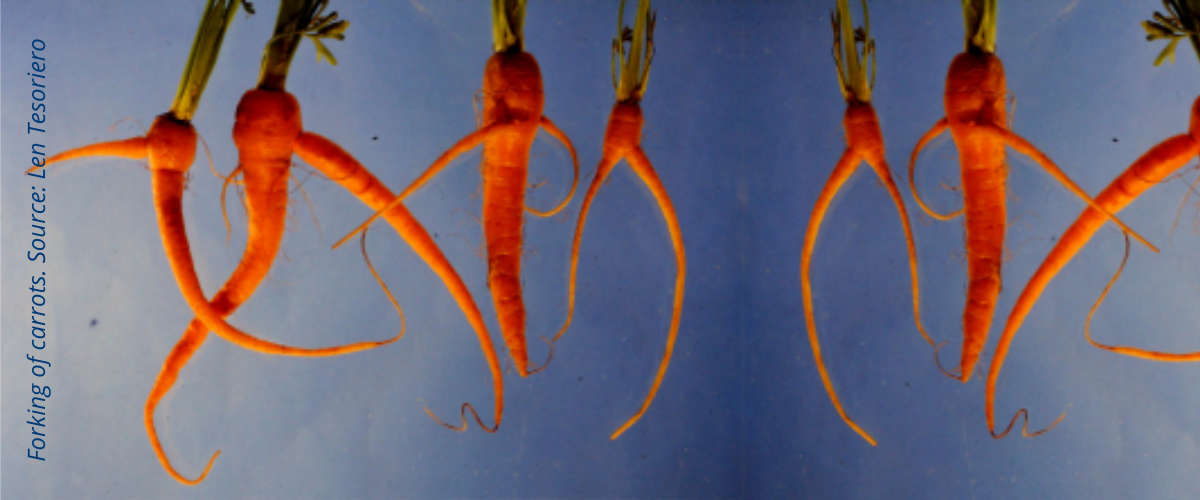
Reading Time: < 1 minutePythium diseases can attack a wide range of crops and affect all growth stages of plant development. Tune in to the webinar recording below from the […]
7 December 2021

Reading Time: < 1 minuteThe Soil Wealth ICP project has developed a practical guide to help growers identify and control the major soil-borne diseases for vegetable crops including: Brassicas Capsicum, […]
25 November 2021

Reading Time: 5 minutesIn September 2021, two members of the AUSVEG-led EnviroVeg Program were acknowledged for their implementation of climate positive practices and the ecosystem benefits on-farm. Western Australian […]
24 March 2020
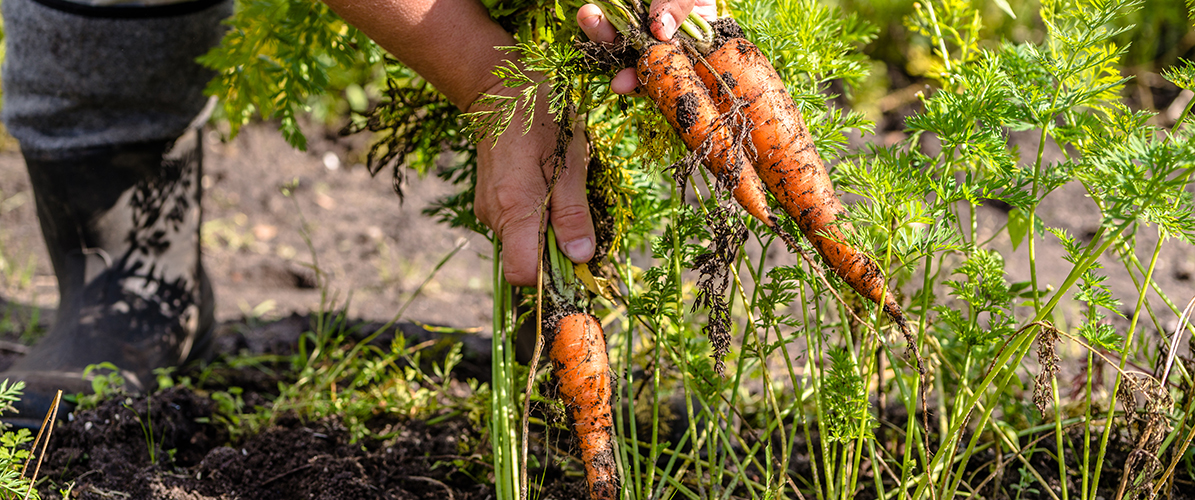
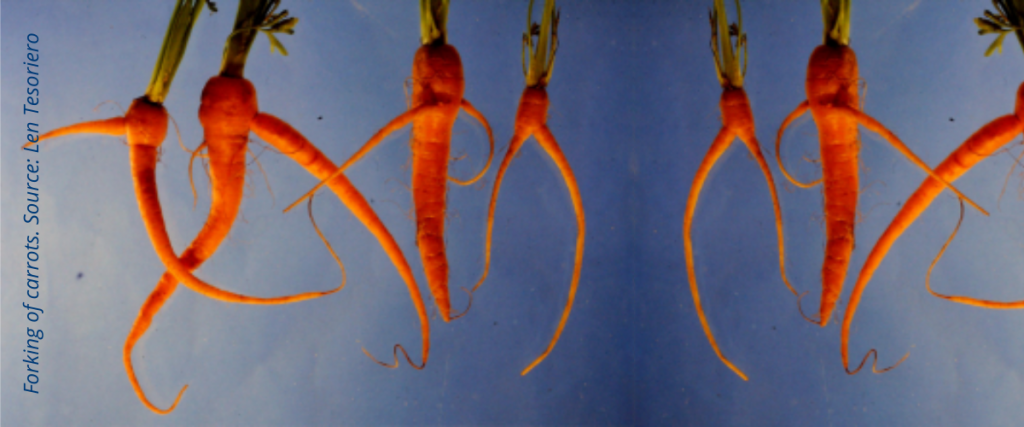
Reading Time: < 1 minuteTo read about Dr Drois Blaesing and Dr Len Tesoriero’s investigation into the Pythium species that cause cavity spot forking in carrots, click here. This was one […]
28 January 2020
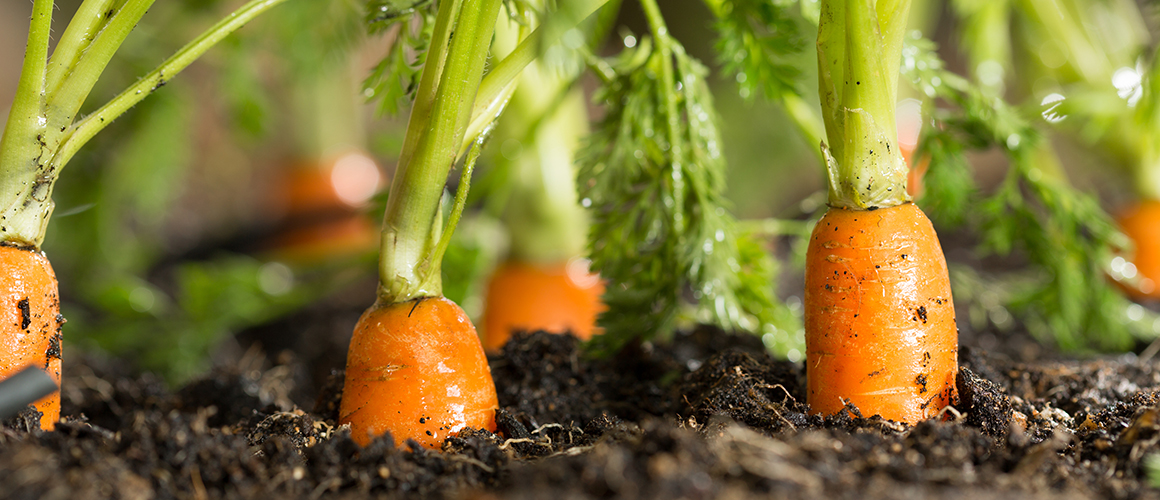
Reading Time: < 1 minuteCarrot crown rot has been identified as a major constraint to carrot production in Tasmania. The economic impacts are significant for growers, as affected carrots are […]
13 August 2019
Reading Time: < 1 minuteThis fact sheet documents the findings from a grower-led demonstration where calcium cyanamide (CaCN2) was applied as a wax coated fertiliser prior to a carrot crop in Western Australia in 2017.
4 March 2019

Reading Time: 2 minutesHort Innovation funded Phenomenom, which delivered an online resource with videos, lesson plans and activities to help teachers deliver food literacy and nutrition education.
10 January 2019
Reading Time: 2 minutesA recently completed project has investigated factors contributing to carrot crown rot, a major issue that can severely downgrade or reduce carrot packout and profitability.
18 November 2018

Reading Time: < 1 minuteApplications are open for the accreditation of production areas and packhouses/storage facilities to export carrots to Taiwan in 2019. Apply by 10 December 2018!
30 July 2018
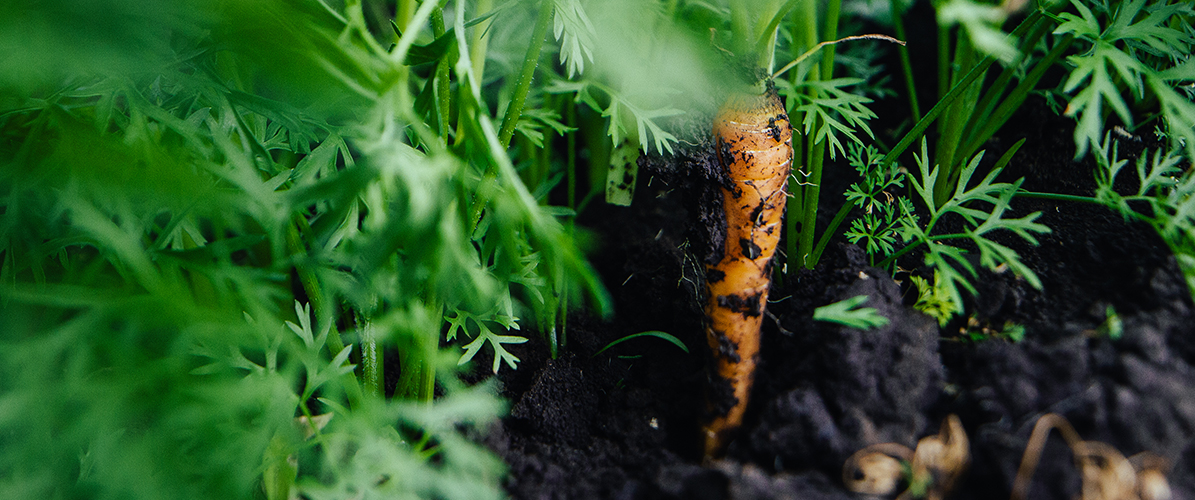
Reading Time: < 1 minuteThis large-scale trial was conducted in Gingin WA and focussed on disease suppression - particularly cavity spot. Click through to read the report.
5 June 2018
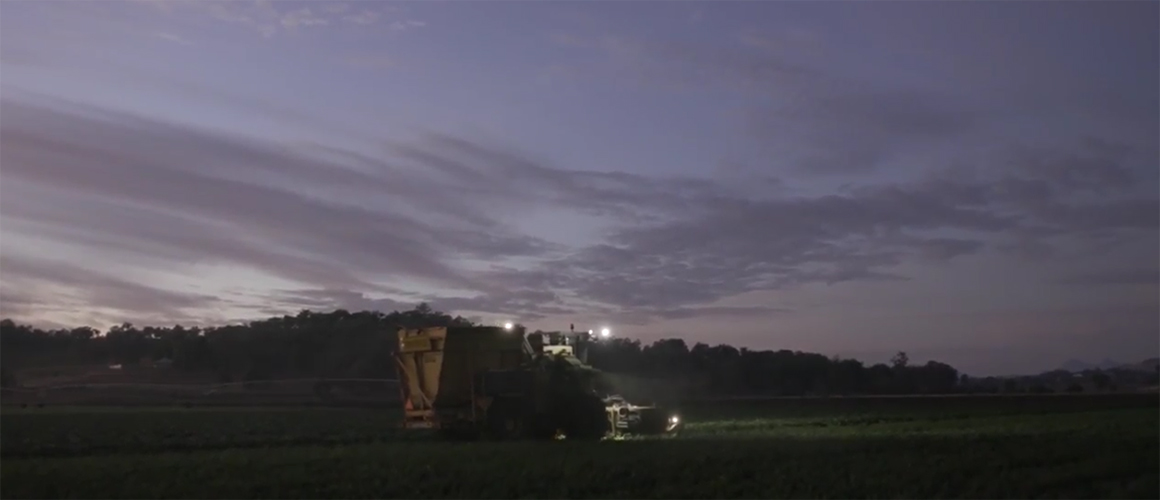
Reading Time: < 1 minuteThis case study provides insights into some of the main changes involving controlled traffic, cover crops and compost at the Kalfresh demonstration site in Queensland.
8 May 2018

Reading Time: 2 minutesNew lines like juicing carrots, prepared carrot products and the Odd Bunch have made strong contributions to category growth, according to Harvest to Home data.
13 March 2018
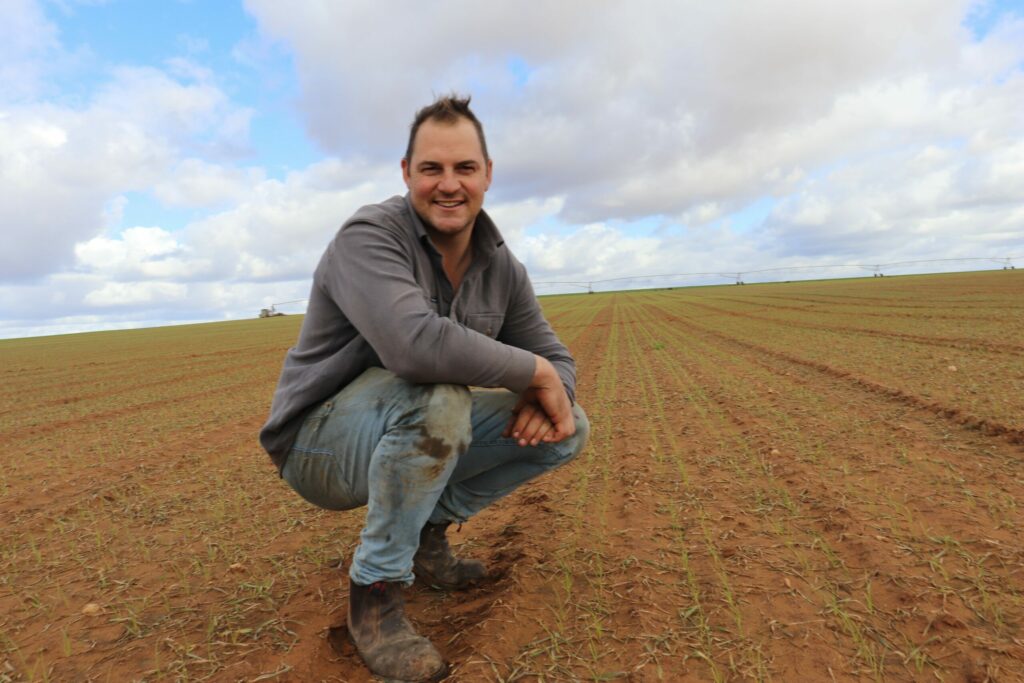





Reading Time: 2 minutesAUSVEG's Patrick Arratia has met with Tasmanian growers to discuss pest, disease and weed issues and develop a better understanding of agrichemical needs and gaps.