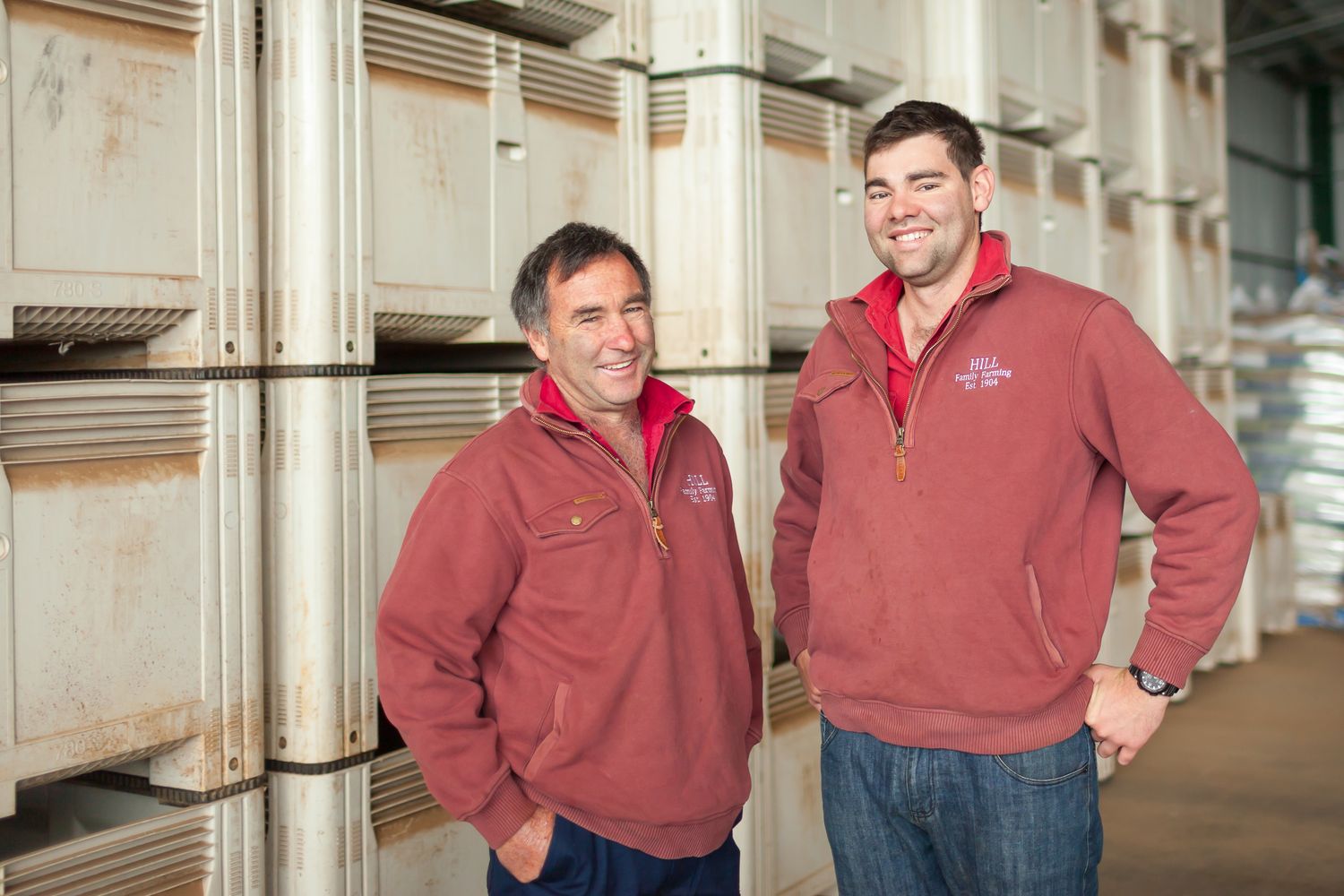
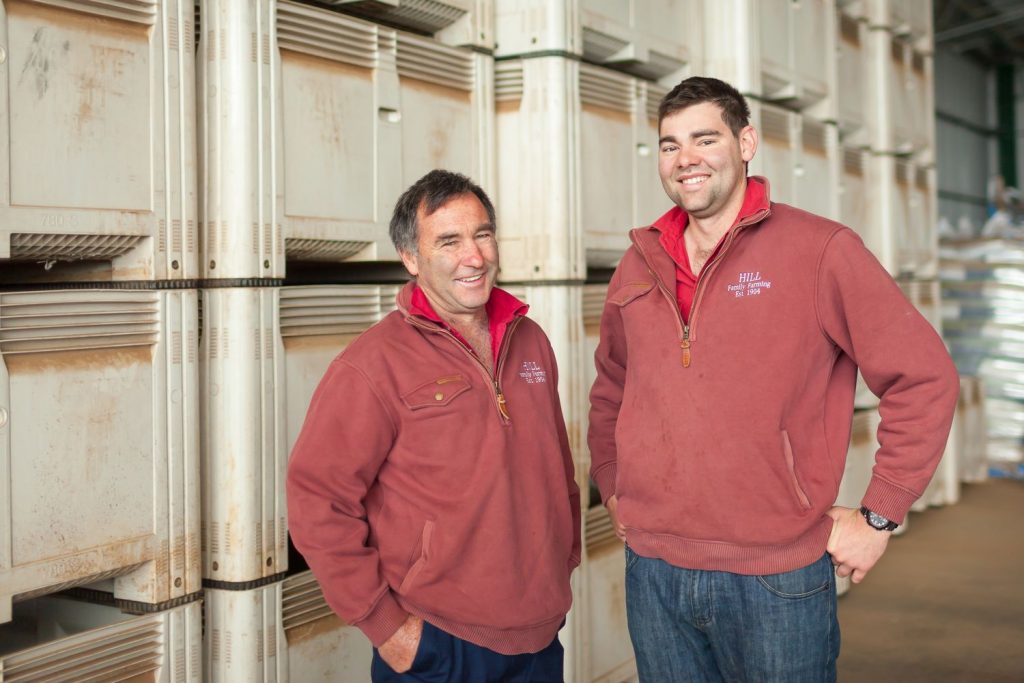
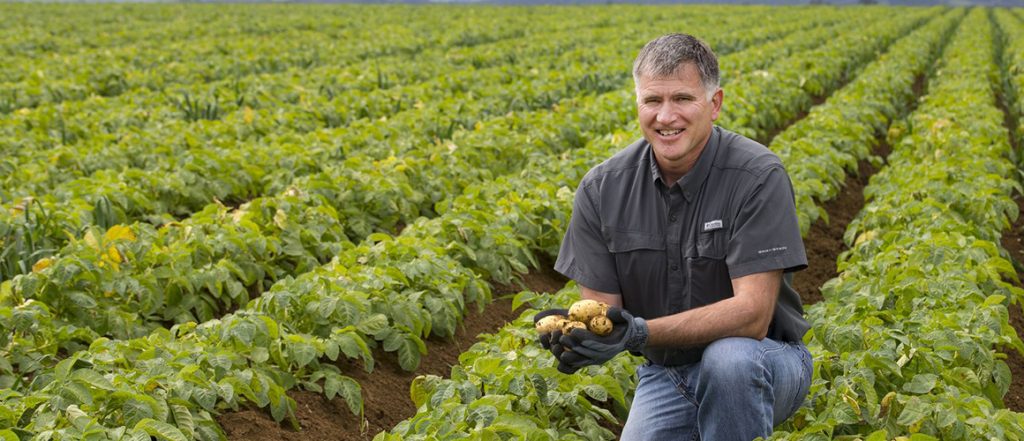
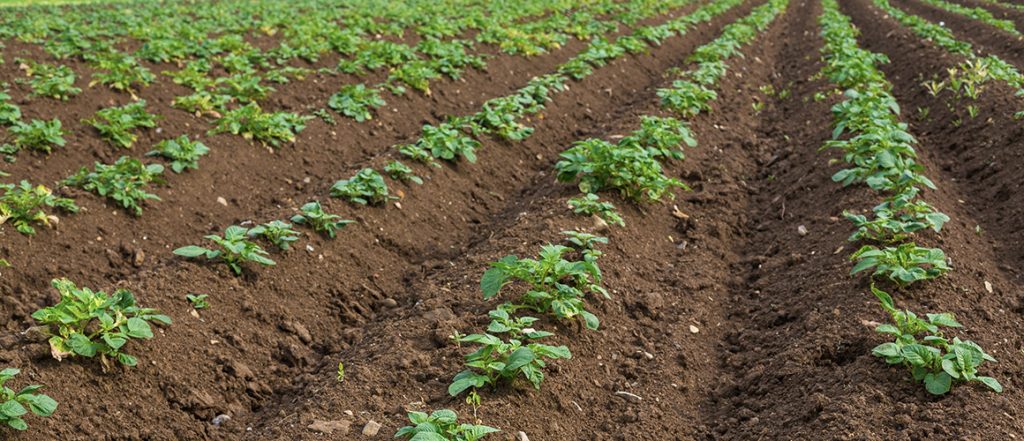
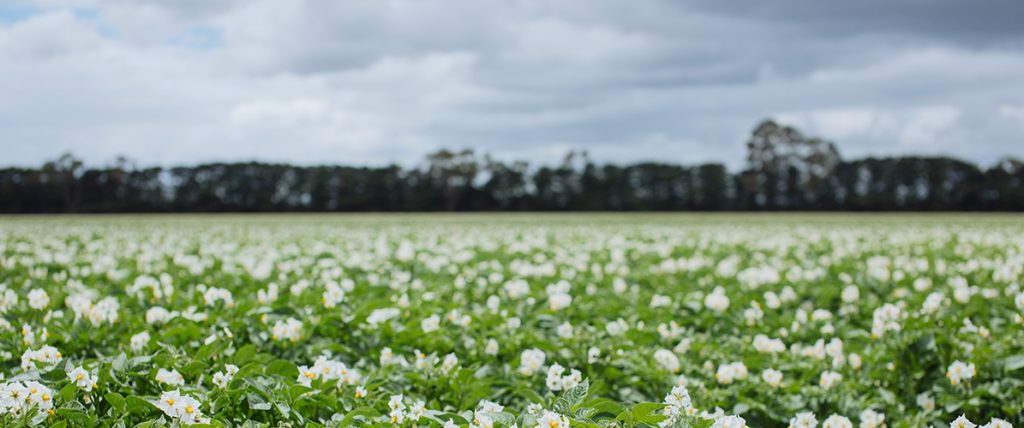
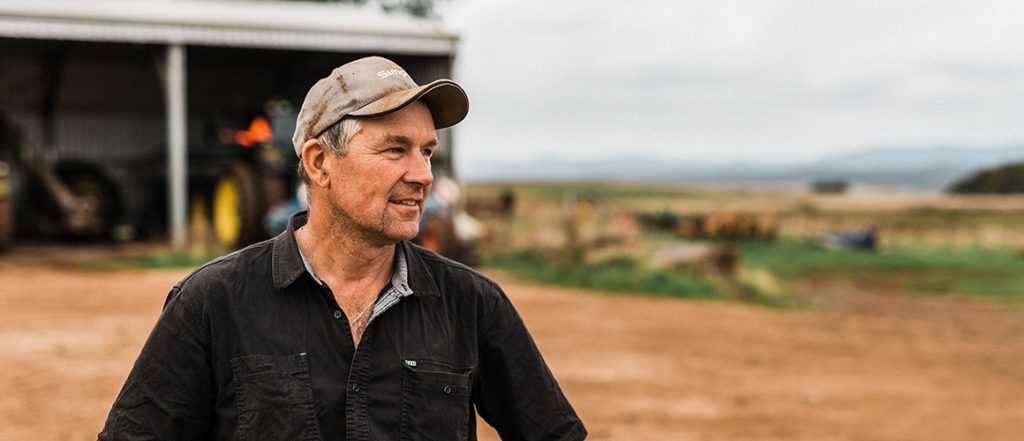
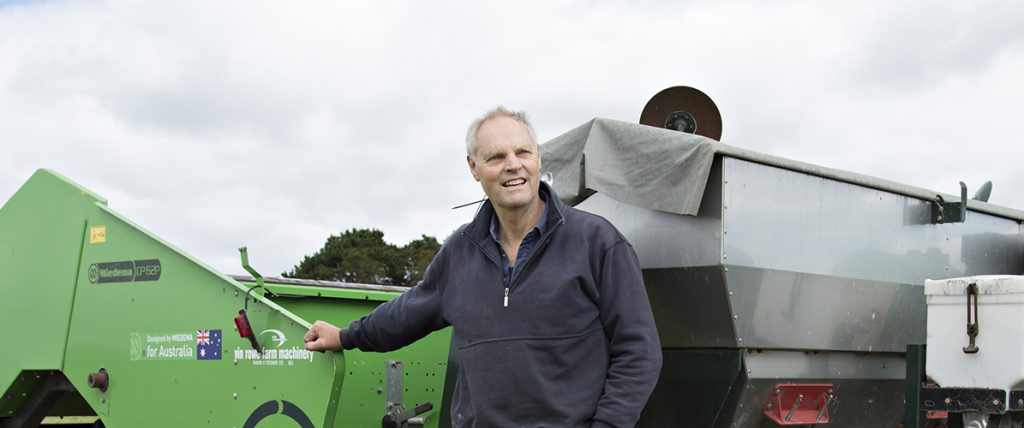
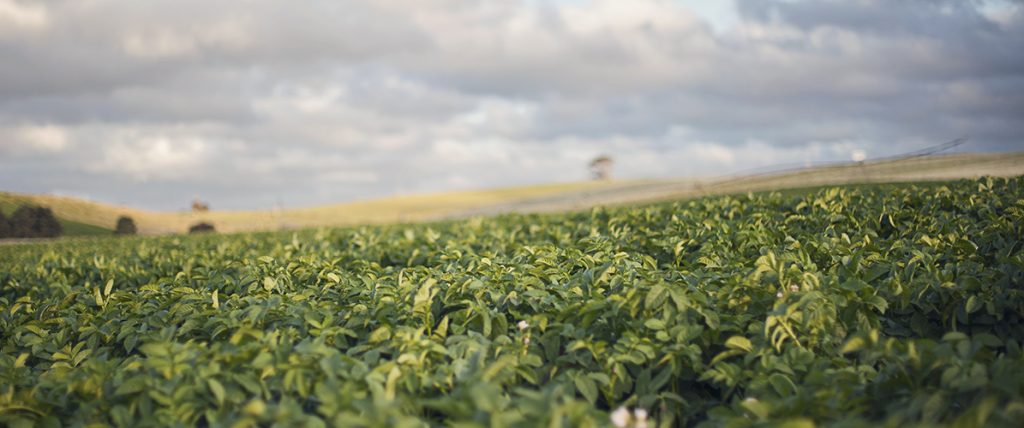
Reading Time: < 1minuteHill Family Farm has a rich history of growing potatoes and is one of only a few potato-growing operations remaining in the Southern Highlands.
Reading Time: < 1minutePlans for the vegetable, potato, processing tomato and nursery and garden industries are now available on the tomato potato psyllid portal on the AUSVEG website.
Reading Time: < 1minutePotato grower Glen Ryan collaborated with an entomologist to study the whitefringed weevil’s lifecycle and identify break crops he could use in his control efforts.
Reading Time: 2minutesTo help Australian potato growers manage the risks of Spongospora, a project managed by Hort Innovation has focused on its infection of potato crop roots.
Reading Time: 2minutesA research project has reviewed existing information on bacteria causing blackleg and soft rot diseases to better understand the threat they pose to Australian production.
Reading Time: 2minutesHort Innovation has recently funded research to assess Australian potato seed management and handling practice, review research and identify best practice.
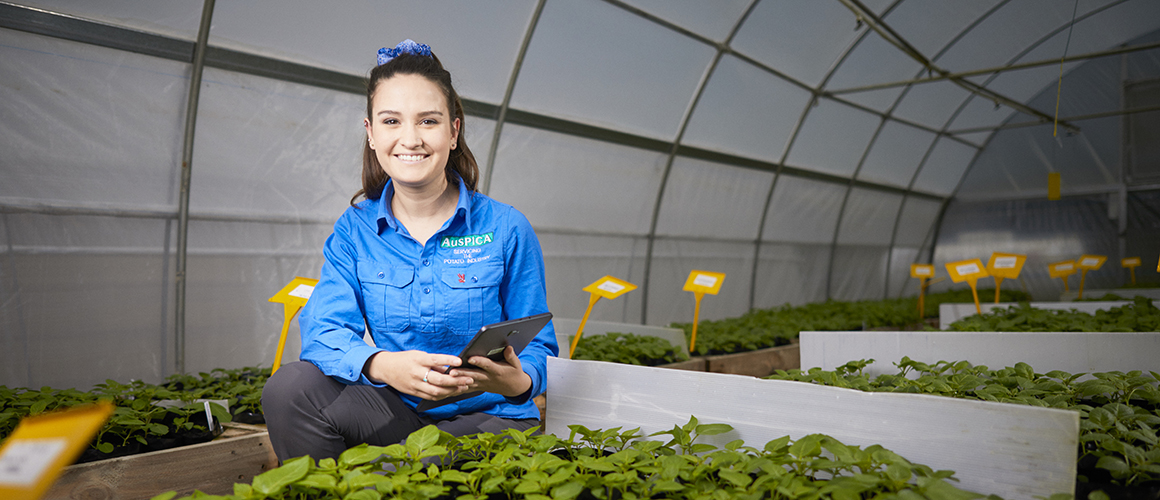
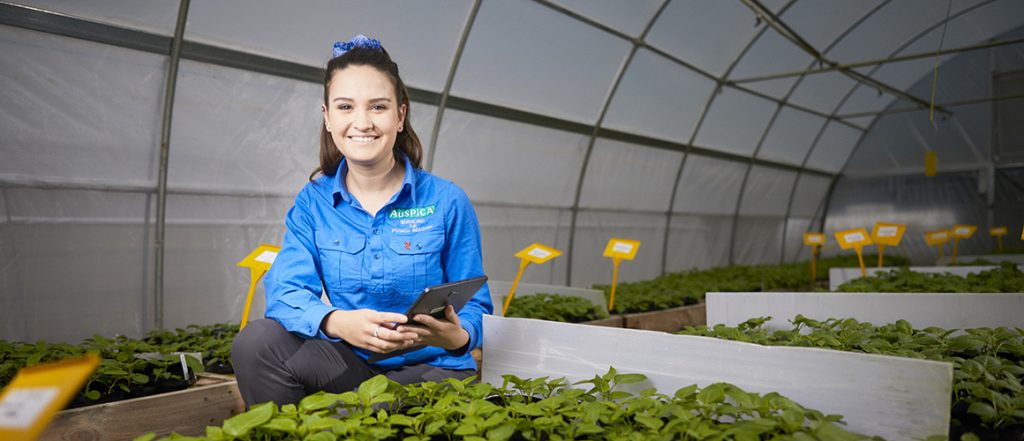
Reading Time: 2minutesThe latest edition of Potatoes Australia magazine tours AuSPICA's Toolangi Research Centre, looks at Agronico's growth in Tasmania and profiles industry R&D.
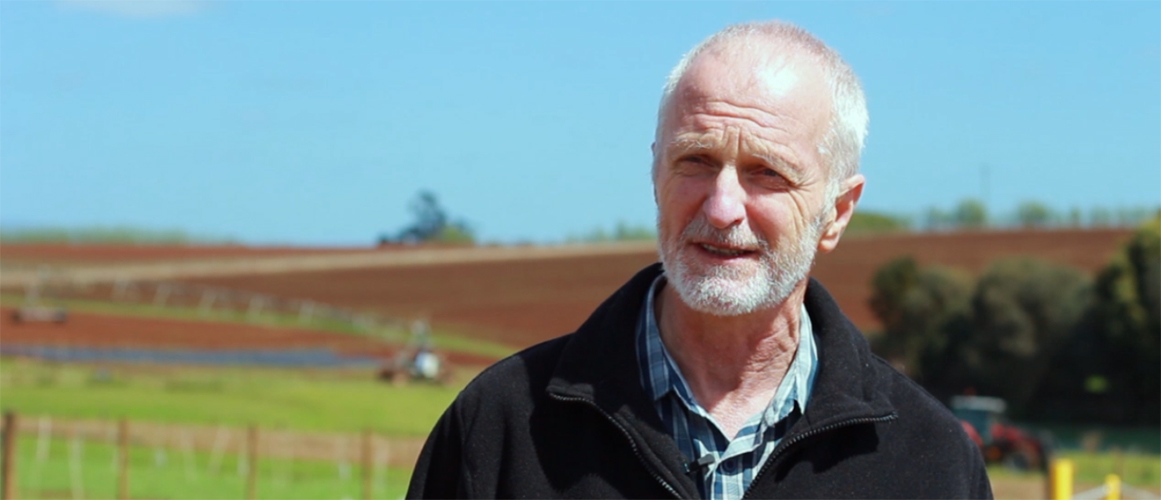
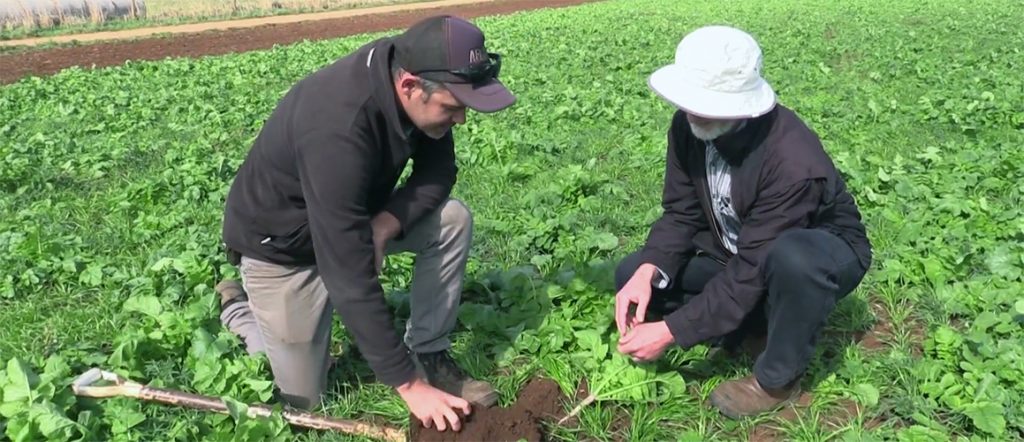
Reading Time: < 1minuteTIA has delivered a levy-funded project investigating soil health in potato production. We spoke to TIA's John McPhee for InfoVeg TV.
Reading Time: < 1minuteThe Grower Success Stories showcase real results from the fresh potato R&D levy. In this edition we talk to New Zealand's Bryan Hart.
Reading Time: < 1minuteTerry Buckley from Mount Gambier in South Australia explains how he looks after soil health under challenging environmental conditions in this levy-funded video.
Reading Time: < 1minuteLeigh Elphinstone from Sisters Creek in Tasmania explains how he looks after soil health in a potato cropping rotation in this levy-funded video.
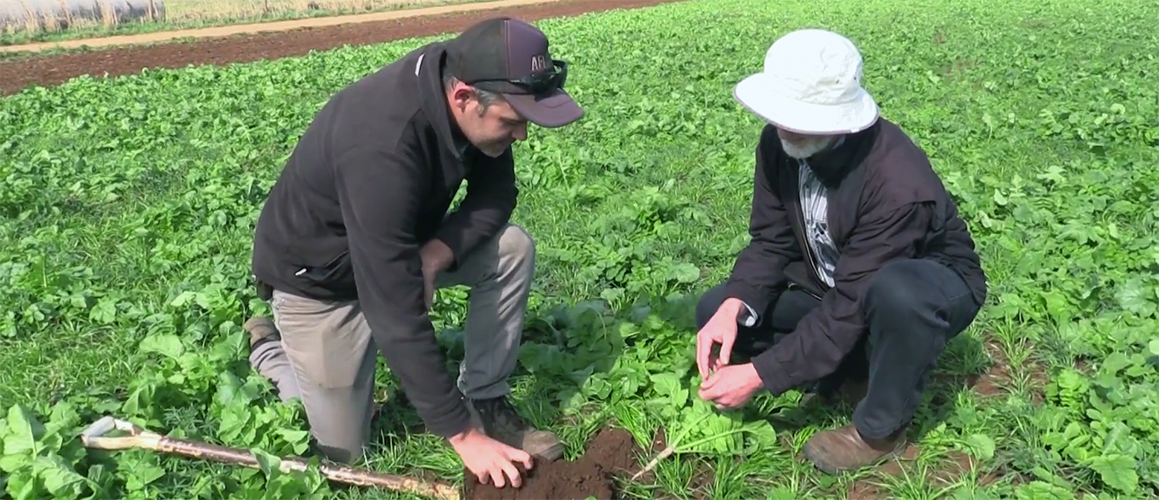
Reading Time: < 1minuteThis video from a levy-funded project discusses the value of cover cropping in maintaining soil health and increasing productivity in potato production.
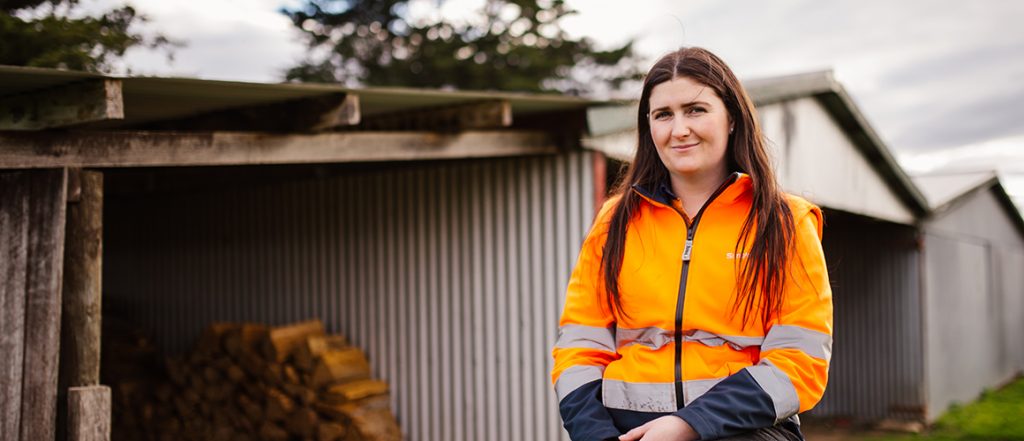
Reading Time: < 1minuteIn this new series, we're showcasing the hard-working members of the Australian vegetable and potato industries - like Ruby Daly from Daly Potato Company.
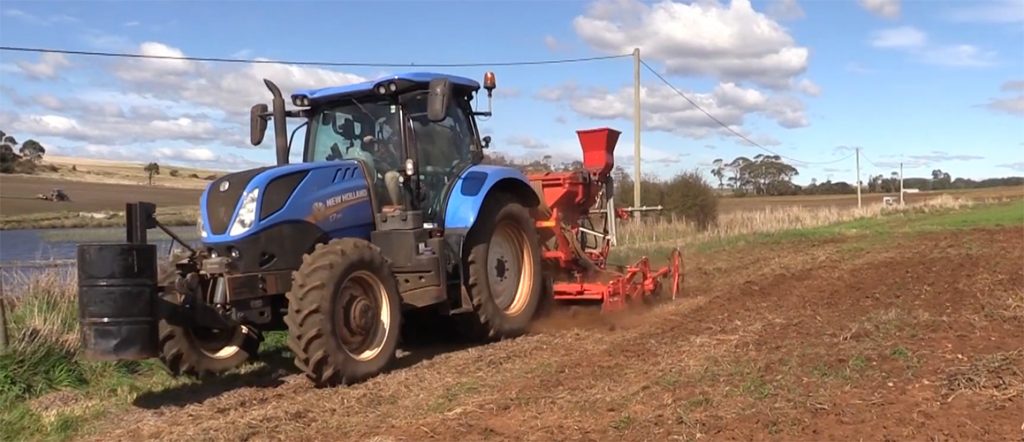
Reading Time: < 1minuteThe first in a series of five, this video provides a real-world case study of the impact of controlled traffic farming in potato production.
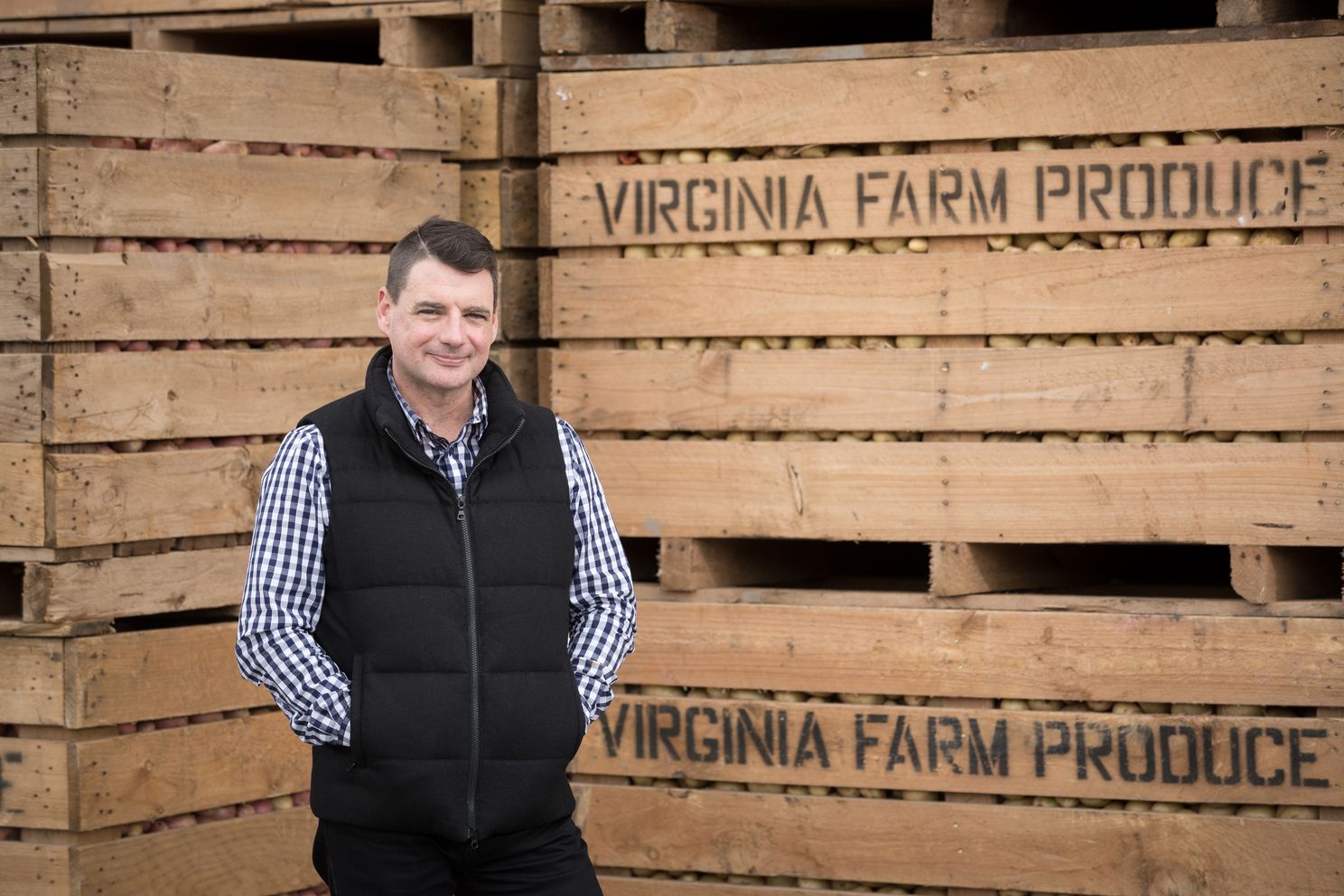
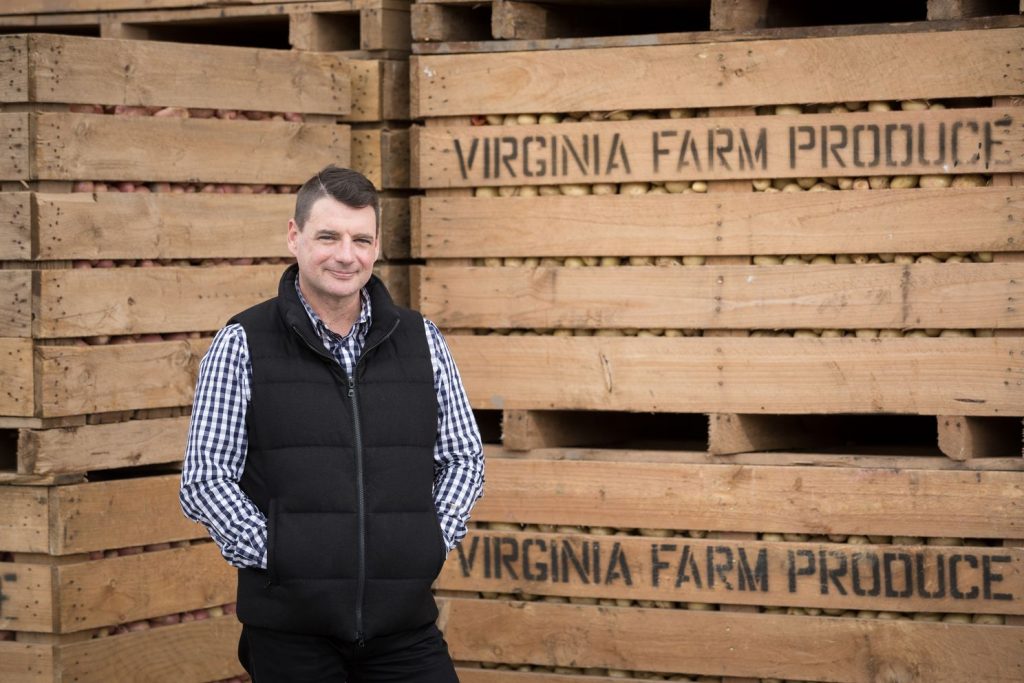
Reading Time: 2minutesSince its foundation in 1956, Virginia Farm Produce has expanded to grow a diverse portfolio, and Ryan Densley is increasing the business' commercial sophistication.
Reading Time: < 1minuteHort Innovation has published the 2017/18 annual report for the Potato - Fresh Fund, recapping levy investment and key projects from the financial year.
Reading Time: 2minutesTake a look at this edition for everything from a recap of the recent AuSPICA Potato Industry Conference to interviews about our industry's future.
Reading Time: 2minutesA TIA project team has filed the final report on a project reviewing the huge amount of soil health information available to the potato industry.
Reading Time: 2minutesIn 2017, UK potato industry member Rufus Pilgrim was awarded a Nuffield Scholarship which supported his research into potato supply chains.
Reading Time: < 1minuteA new research project is investigating targeted soil fumigation technology and is looking for participant potato growers for field trials.
Reading Time: < 1minuteA new project funded by the Tasmanian State Government aims to protect Tasmania's potato growers from a number of pests and diseases.
Reading Time: 2minutesFrom 1 October 2018, the Emergency Plant Pest Response (EPPR) component of the vegetable and unprocessed potatoes levies and charges will change.
Reading Time: 2minutesThe Tasmanian Institute of Agriculture recently completed a four-year research project to improve the understanding of and develop novel control strategies for Spongospora root diseases of potato such as powdery scab.
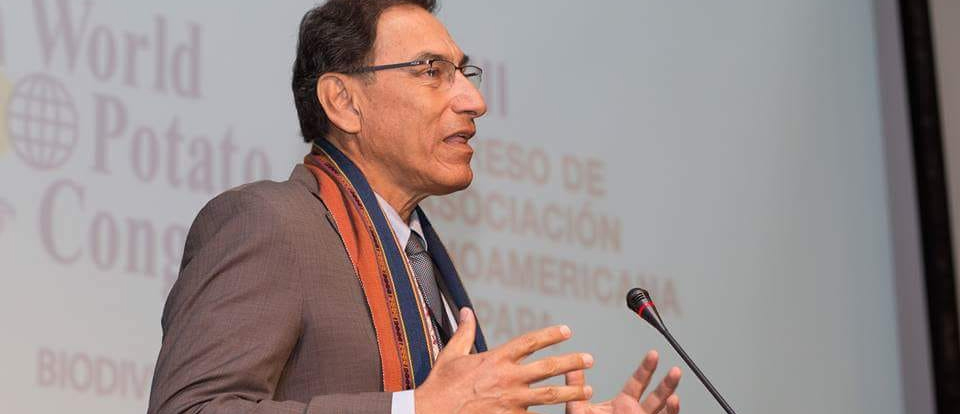
Reading Time: 2minutesThe August/September 2018 edition of Potatoes Australia is now available online and includes a recap of the World Potato Congress in Peru.
Reading Time: 2minutesAround 150 delegates converged on the Arts Centre in Melbourne from 12-14 August to attend the biennial Potato Industry Conference.
Reading Time: < 1minuteThe project distributed over 3,000 sticky traps and detected no TPP in Tasmania, Victoria, NSW or Queensland, supporting assurances of Area of Freedom status.
Reading Time: < 1minuteThere's less than a week to go until the 2018 Victorian Certified Seed Potato Authority Potato Industry Conference, so sign up now to attend!
Reading Time: 2minutesA project team from IPM Technologies has been delivering workshops, creating resources, training advisors and providing IPM advice to potato and onion growers.
Reading Time: 2minutesIndustry levies are funding a literature review and industry consultation about seed potato practices, as well as a pest and disease diagnostics app.
Reading Time: < 1minuteHort Innovation has published the latest Hortlink, featuring snapshots of 15 industry-funded fresh potato R&D projects. Click through to take a look.
Reading Time: 2minutesA research initiative that began in March 2016 is aiming to identify soil factors that influence the development of powdery scab in potato crops.
Reading Time: 2minutesThe Tasmanian Institute of Agriculture has recently completed a project to enhance the productivity and sustainability of our potato industry through improved soil health practices.
Reading Time: < 1minuteThese fact sheets summarise the findings and break down the key conclusions from research into biological and chemical controls for TPP.
Reading Time: < 1minuteSARDI will be holding a training workshop in July for PREDICTA Pt, the DNA diagnostic testing service for soil-borne pathogens of potatoes.
Reading Time: 2minutesAustralian journalist Ashley Walmsley is in Peru for the 10th World Potato Congress. Keep up with his discoveries through The Spud Diaries!
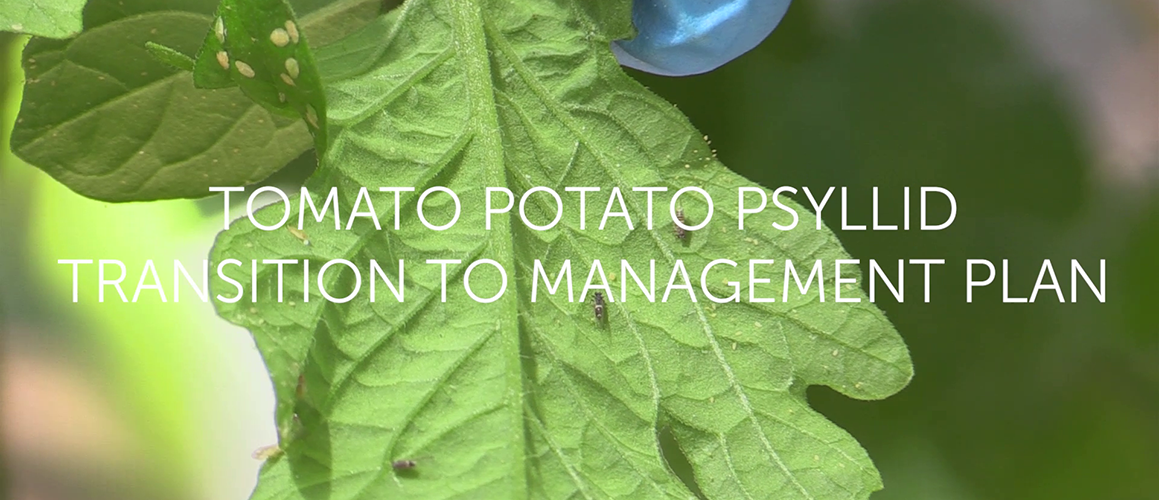
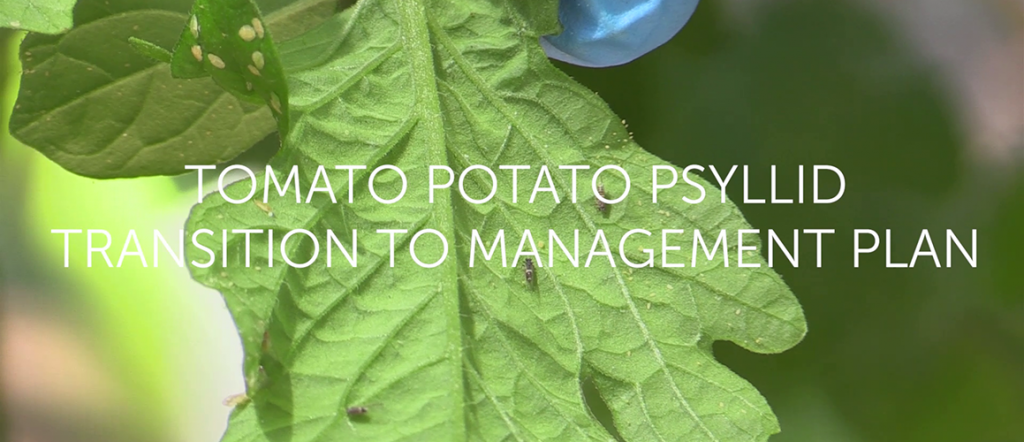
Reading Time: < 1minuteIn this video, produced in collaboration with DPIRD WA, we speak to members of the plan transitioning to the management phase for tomato potato psyllid.
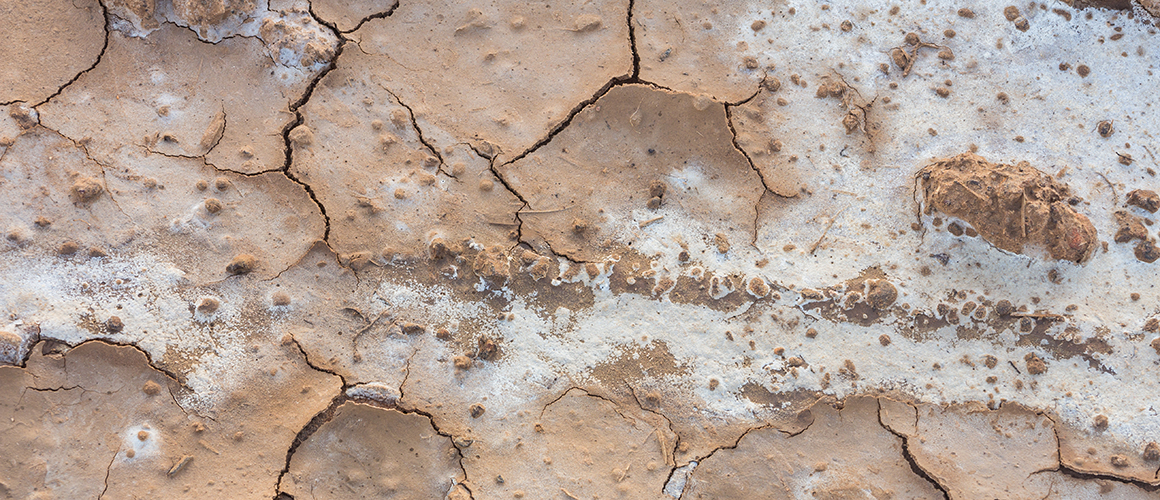
Reading Time: 2minutesGrowers working with brackish soils are better off learning to 'live with salinity' rather than fight it, according to scientists in the Netherlands.
Reading Time: 3minutesThe Plant Health Committee has requested feedback on proposed movement conditions to be enforced if TPP reaches the eastern states of Australia.
Reading Time: < 1minuteWith a Spud Auction, cooking demonstrations, and kids' entertainment, this year's Festival will be a great celebration of the best of potatoes.
Reading Time: < 1minuteA report from a levy-funded project has analysed the viability of protected cropping in the Burdekin Dry Tropics, the Atherton Tablelands, Bundaberg and Carnarvon.
Reading Time: 2minutesThe April/May 2018 edition of our industry magazine has the latest information on TPP surveillance and research, as well as other R&D news.
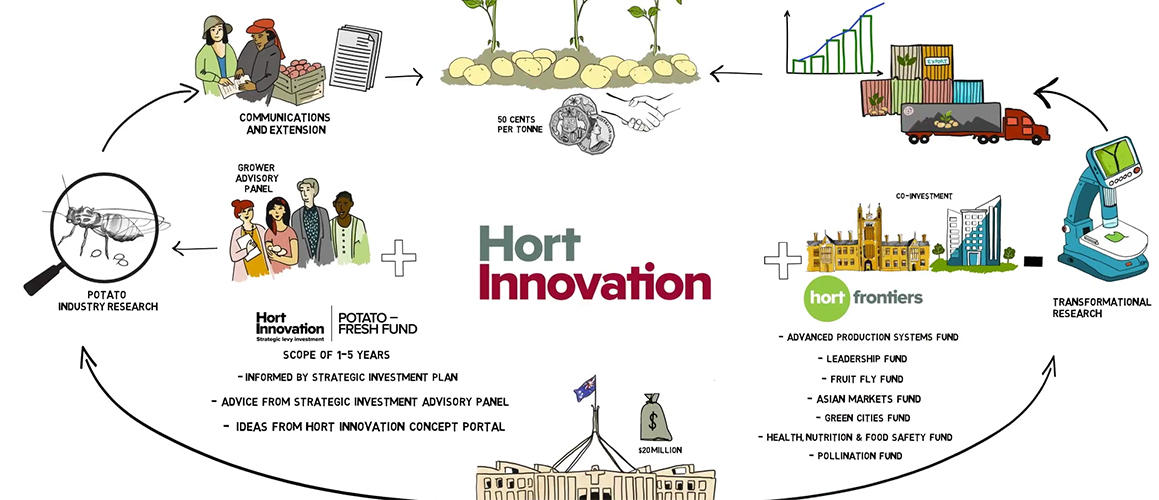
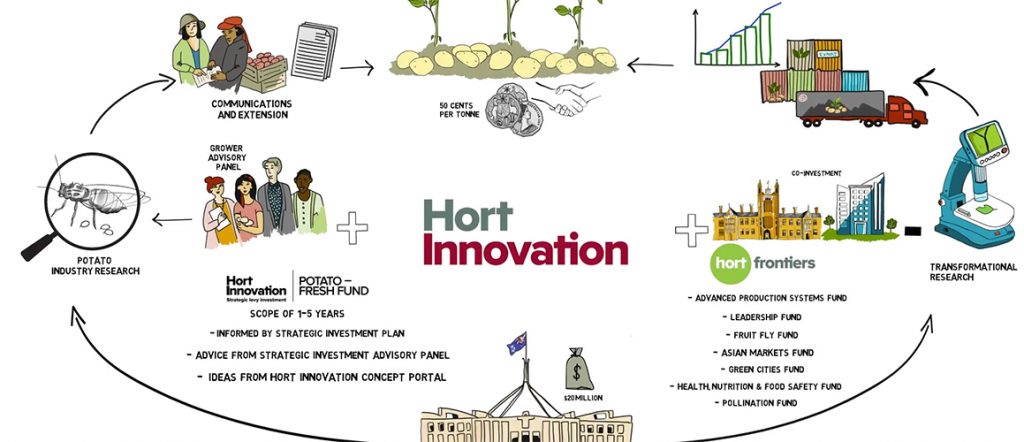
Reading Time: < 1minuteThe latest episode of InfoVeg TV provides a breakdown of Hort Innovation's levy investment processes and how the potato levy is invested into projects.
Reading Time: < 1minuteGet closer to your levy with the latest edition of Hort Innovation's Hortlink, which provides updates on all new and recently-completed investments.
Reading Time: 3minutesDr Hazel MacTavish-West is travelling on a Churchill Fellowship to investigate the opportunities for adding more fruit and vegetables to value-added foods.
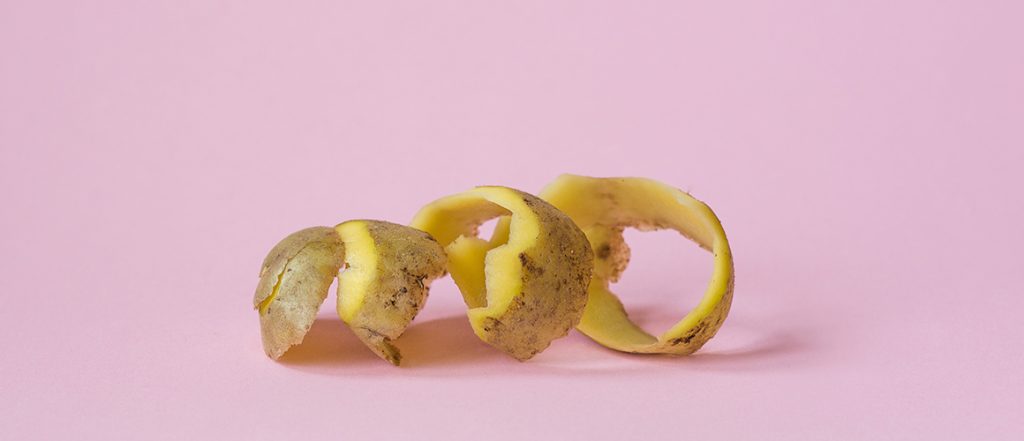
Reading Time: < 1minuteThis innovative project is developing new ways of creating high-value products from food waste by investigating the feasibility of making vodka from potato skins.
Reading Time: 2minutesThe University of Warwick has developed an electronic 'nose' armed with gas sensors that could identify soft rots before physical signs appear.
Reading Time: < 1minuteBiopesticides are a diverse group of pest control products based on naturally occurring biochemicals, minerals and microbes that have minimal environmental impacts.
Reading Time: 3minutesThis update includes new information on the research into managing TPP and updates on preparedness measures for the eastern states.
Reading Time: < 1minuteRead about the lessons Aaron Haby learned from a tour to Scotland to attend the World Potato Congress, including insights about R&D and production.
Reading Time: < 1minuteThis case study investigates how John Jackson, Agriculture Director at McCain Foods Australia/New Zealand, took part in R&D dealing with a TPP incursion.
Reading Time: 2minutesThe 2017 edition of Grower Success Stories – Real results from the potato R&D levy is now available online, highlighting on-farm benefits from research.