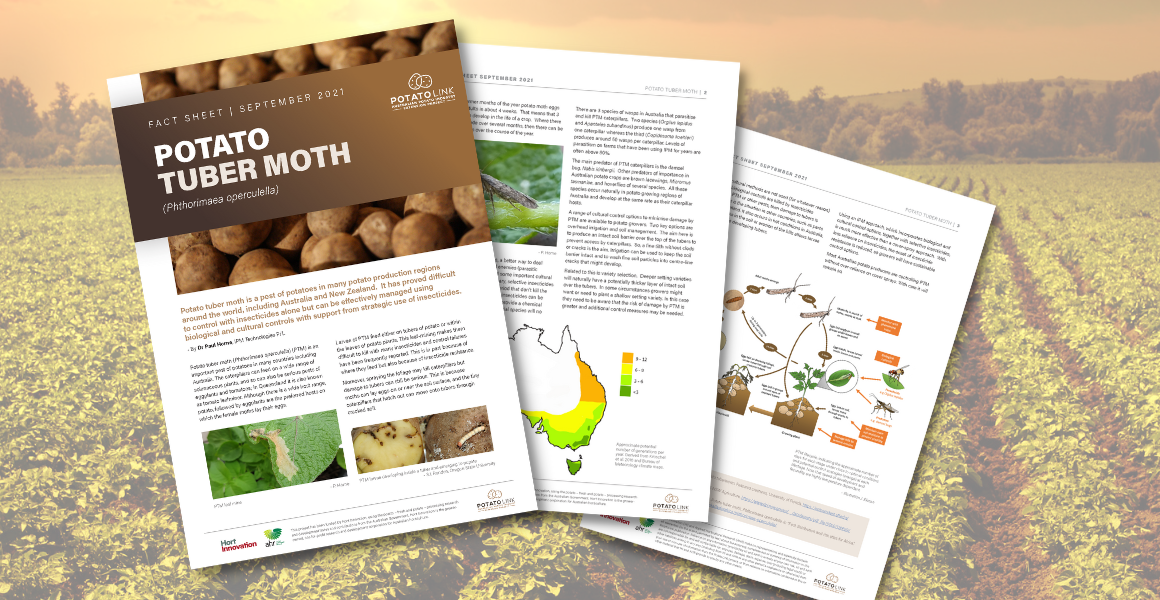
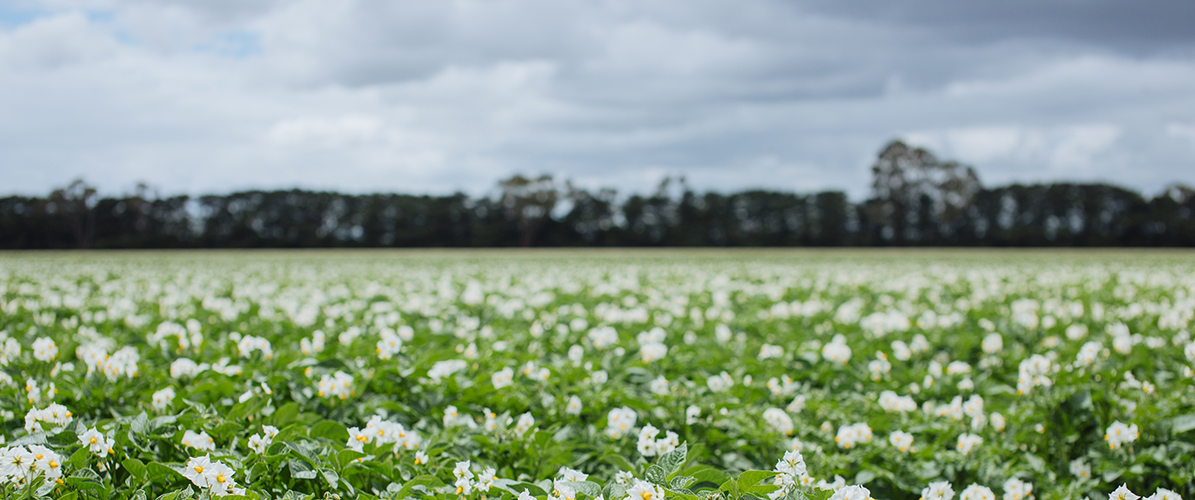
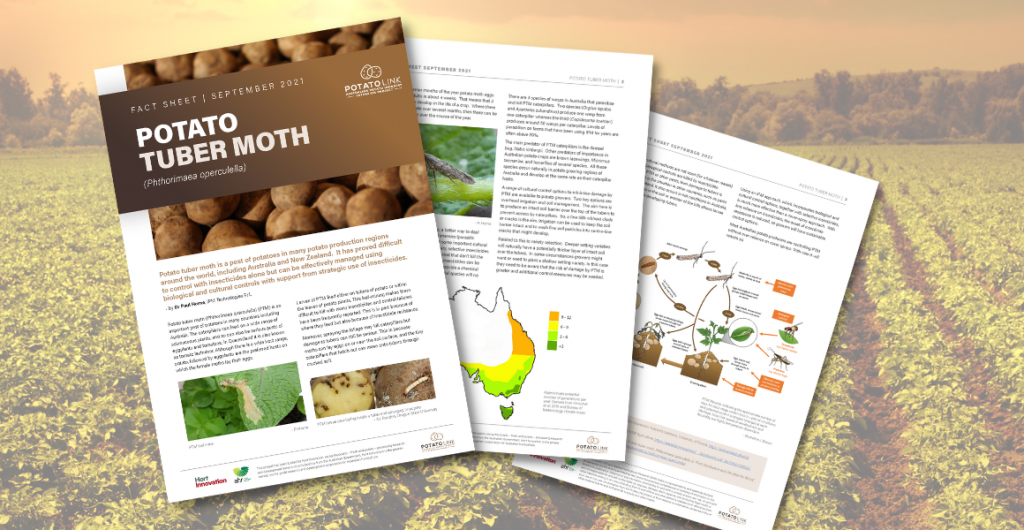
While tuber moth can be a serious pest of potatoes, it can also be effectively controlled using agronomic practices and biological controls. This new factsheet by […]
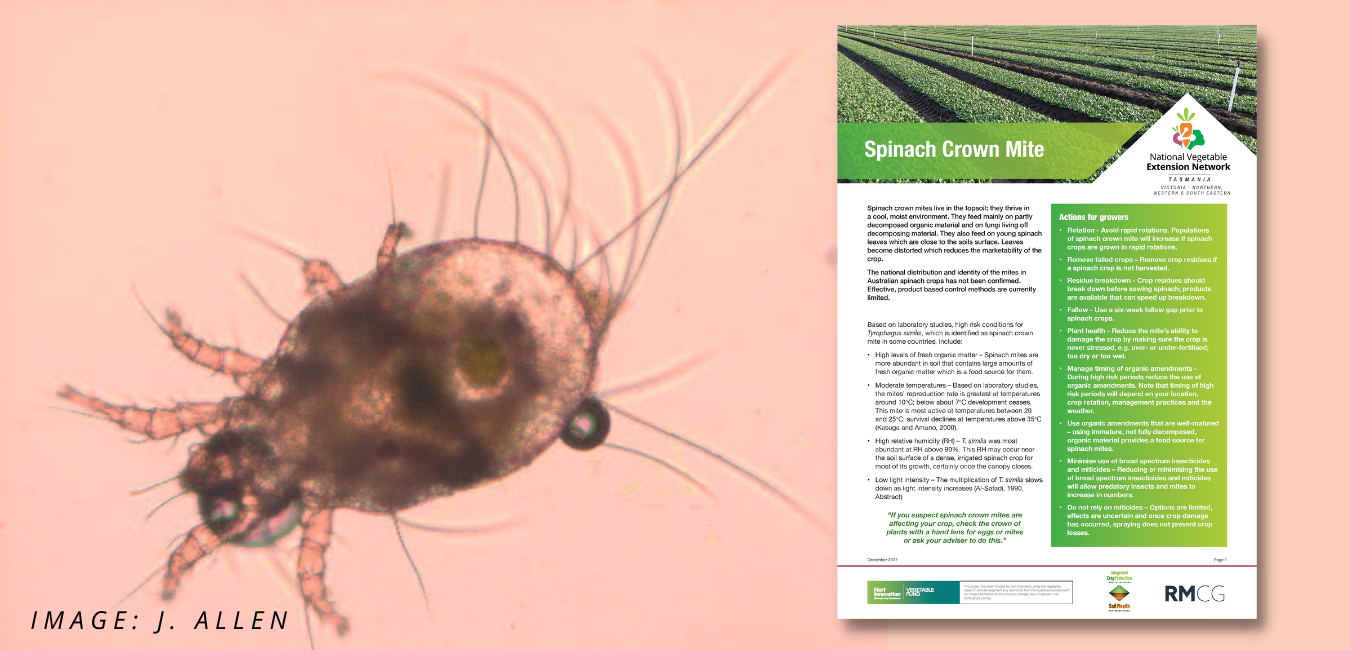
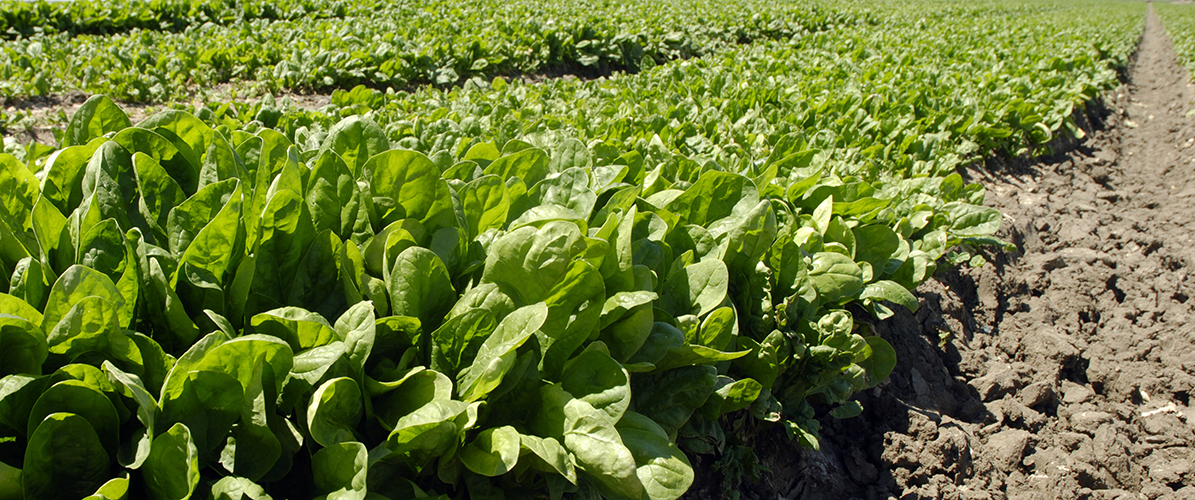
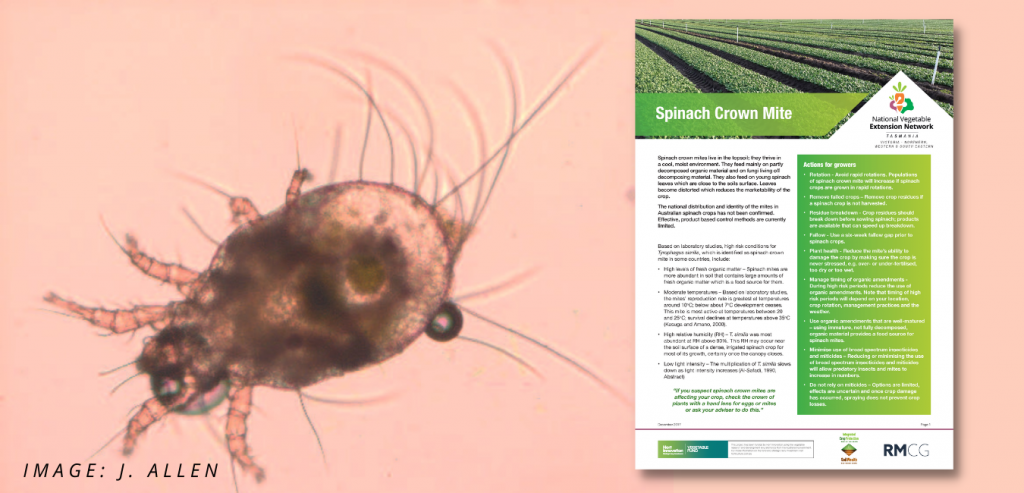
Spinach crown mites live in the topsoil and thrive in a cool, moist environment. They feed mainly on partly decomposed organic material and on fungi living […]
Are you struggling to regain control over chemical-resistant pests? The Soil Wealth ICP project developed a series of fact sheets to help vegetable growers manage mega […]
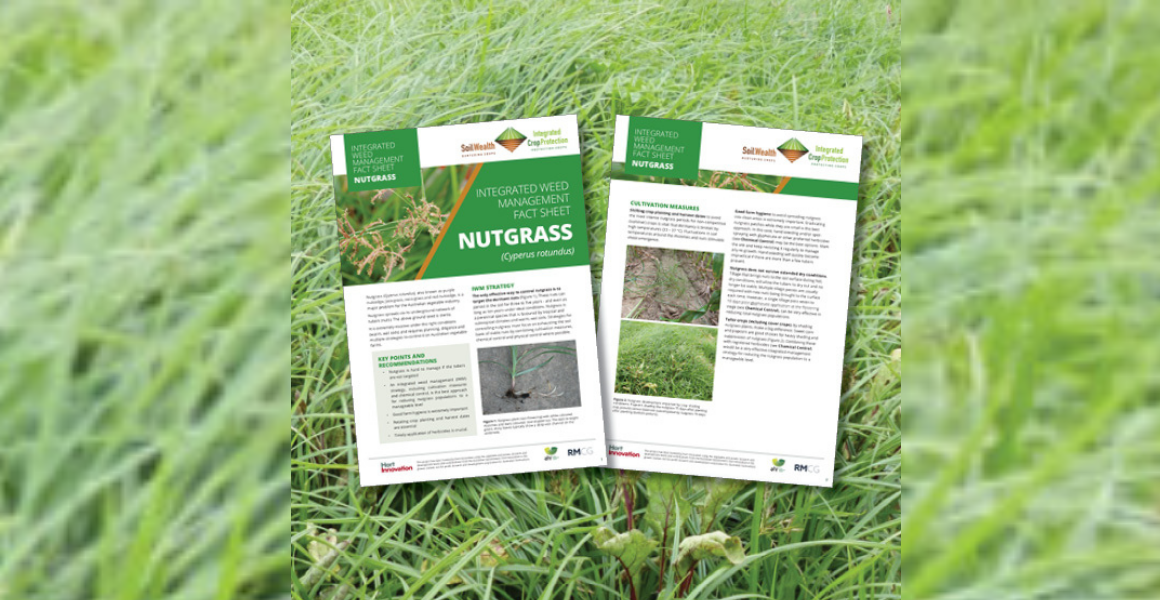
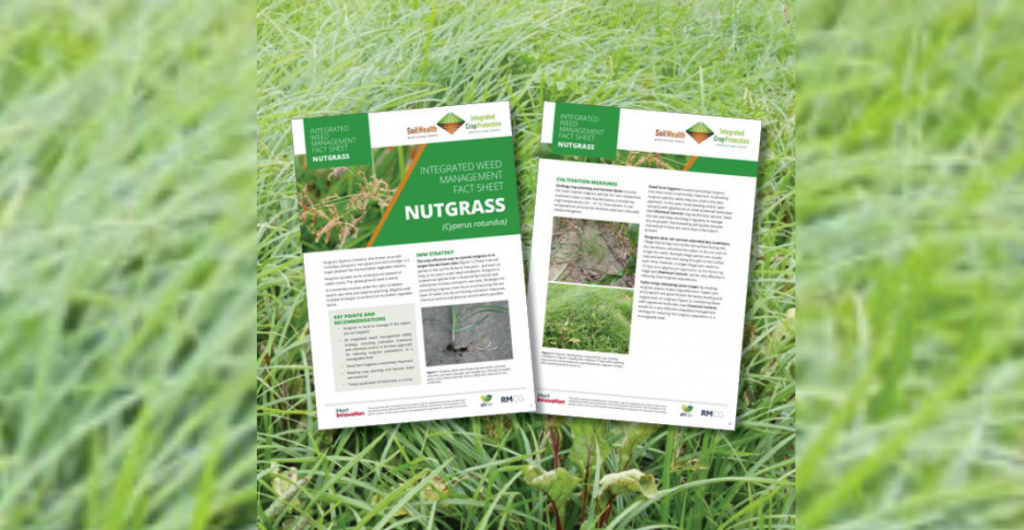
Nutgrass (Cyperus rotundus), also known as purple nutsedge, Java grass, coco-grass and red nutsedge, is a major problem for the Australian vegetable industry. It is extremely […]
The growth of weeds in vegetable production systems is enhanced by soil disturbance, irrigation and the application of fertilisers. This fact sheet provides growers and advisors […]
The Soil Wealth and Integrated Crop Protection (ICP) project works with growers nationally to put soil management and plant health research into practice. The project team […]
In the late 1990s a small number of progressive growers in Australia started experimenting with reduced till (or minimum till) for vegetable production. Reduced till is […]
A healthy soil is productive, sustainable and profitable. But what exactly does ‘soil health’ mean for vegetable growers? This Soil Wealth ICP fact sheet discusses how […]
Related ProjectsSoil wealth and integrated crop protection – phase 2This project has been funded by Hort Innovation, using the research and development levies listed below and […]
Related ProjectsSoil wealth and integrated crop protection – phase 2This project has been funded by Hort Innovation, using the research and development levies listed below and […]
Insects, whether they’re pests or beneficial species, can become unwanted contaminants in consumers’ fresh produce. This Soil Wealth ICP best practice guide summarises the key findings […]
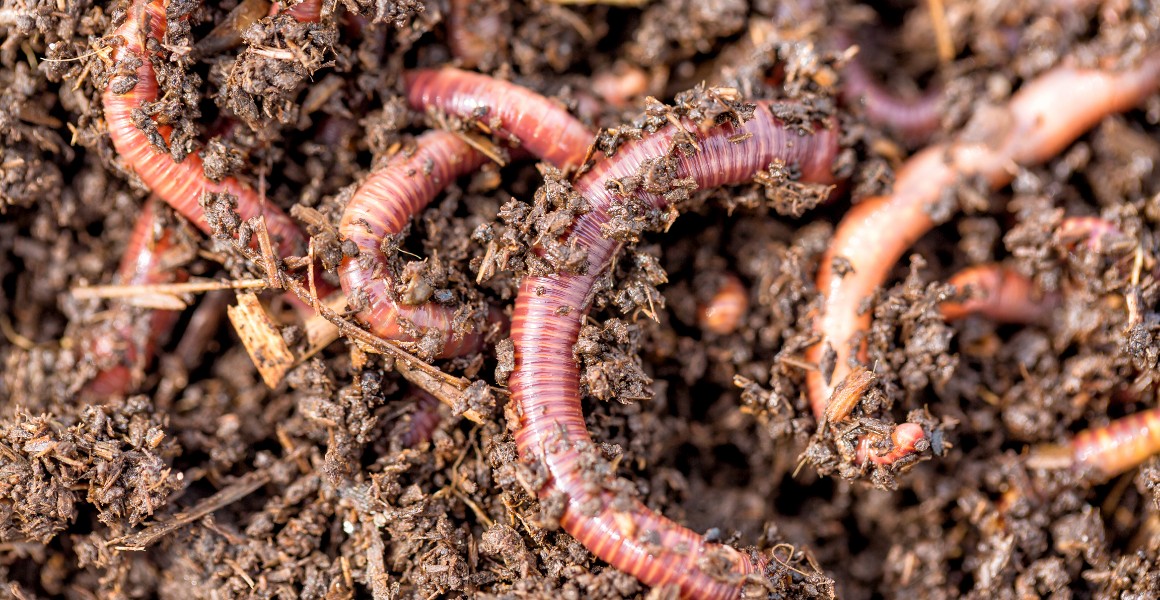
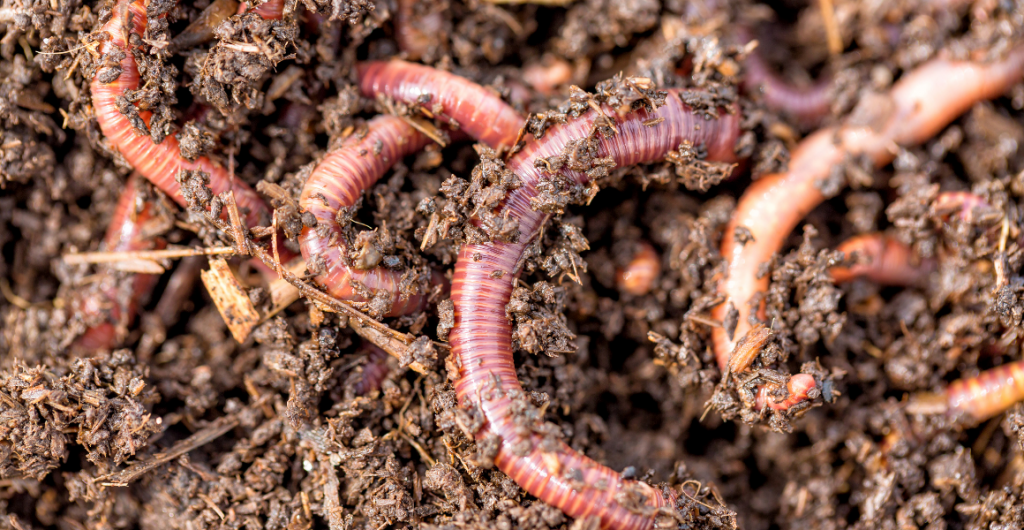
In addition to being a good indicator of soil health, earthworms can play a vital role in improving soil structure and fertility. Earthworms can improve soil […]
Soil health is closely linked to soil microbiology. This Soil Wealth ICP fact sheet outlines information on a broad group of soil microbes and how different […]
Agricultural practices can contribute to soil acidification, or the drop in soil pH. This can be due to several factors including leaching of nitrate nitrogen, nutrient […]
Click here to view a fact sheet on metham sodium (MS) — a broad-spectrum fumigant used to control a variety of soil-borne pests and diseases including […]
Fresh Produce Safety Centre Australia and New Zealand has published a fact sheet on the impact of animals on the risk of foodborne illnesses in the […]
Salinity issues are worse in dry years because of a lack of flushing rain and little fresh water replenishment in dams or underground aquifers. The problem […]
Salinity issues can appear in all major vegetable production areas; they can come and go depending on weather and changes in water quality. It can occur […]
Learn about the life-cycle and management options for Sclerotinia rot, which can cause significant yield losses during cropping and as a post-harvest disease.
This new resource from VegNET Tasmania looks at the practical considerations of strip-till farming, from healthier crops to the difficulties of implementation.
Labile carbon is the carbon most readily available to microorganisms as a carbon and energy source and is a useful indicator of soil biological activity.
This resource looks at CGMMV management options, including minimising its presence in bee hives and improving on-farm biosecurity to protect the property.
A recently completed project has identified and assessed new innovations for increasing yields or reducing input costs for processing vegetable crops in Australia.
This fact sheet reports on a preliminary trial of chemical and biological controls, with three fungicide treatments significantly reducing the area of diseased plants.
To avoid reinforcing continued reliance on fumigants like metham sodium, the Soil Wealth team has put together a fact sheet on potential alternative approaches.
Adjuvants are additives that modify a chemical's action. This fact sheet provides insights into how to choose one that suits your crop protection needs.
Biopesticides are a diverse group of pest control products based on naturally occurring biochemicals, minerals and microbes that have minimal environmental impacts.