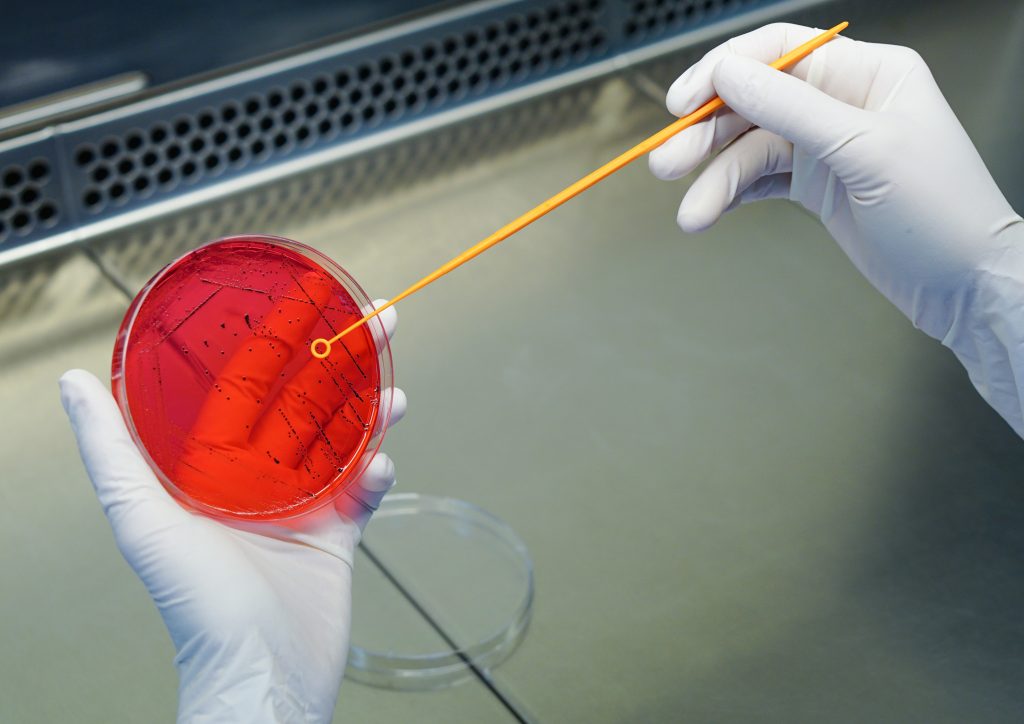
Reading Time: < 1minuteApplied Horticultural Research has made the following resources available to potato growers as part of the Hort Innovation-funded PotatoLink project: Webinar recording: The role of biologics […]
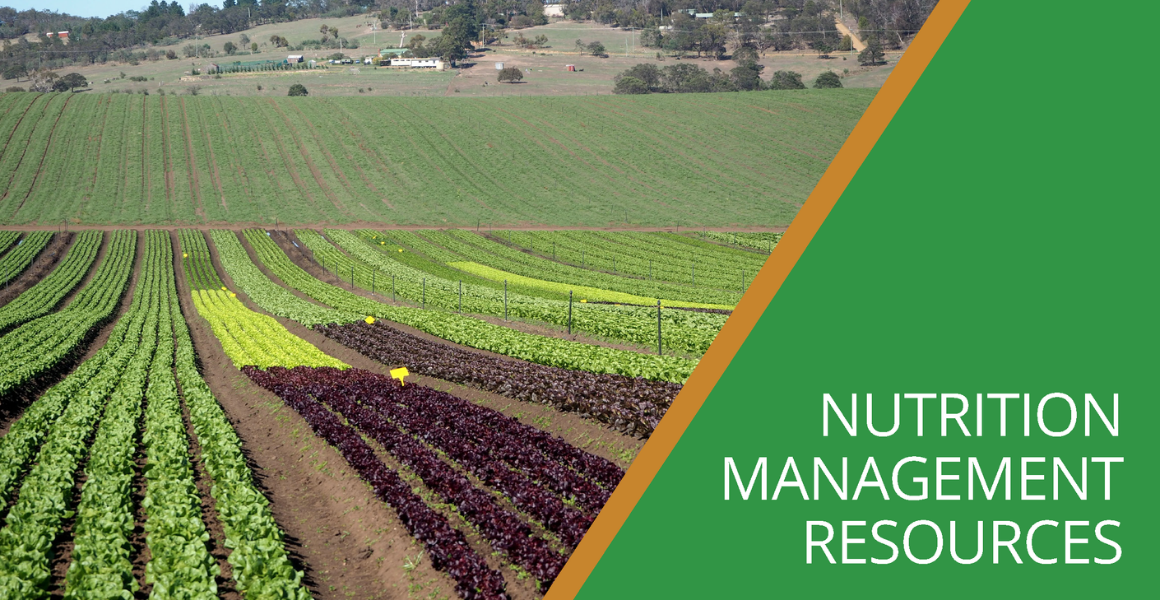
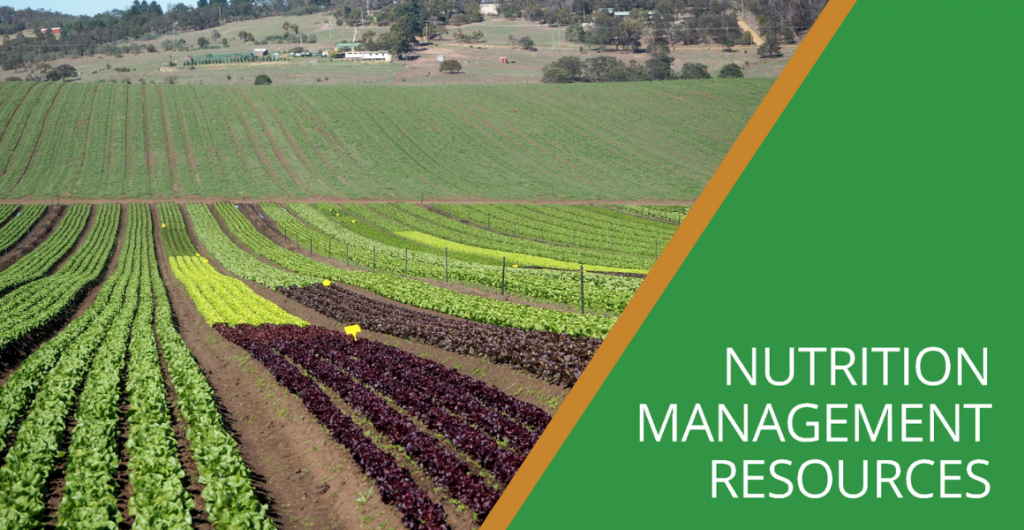
Reading Time: < 1minutePlant nutrition must be tailored to each vegetable crop and growing conditions to ensure plants are healthy, productive and profitable. The Soil Wealth ICP team has […]
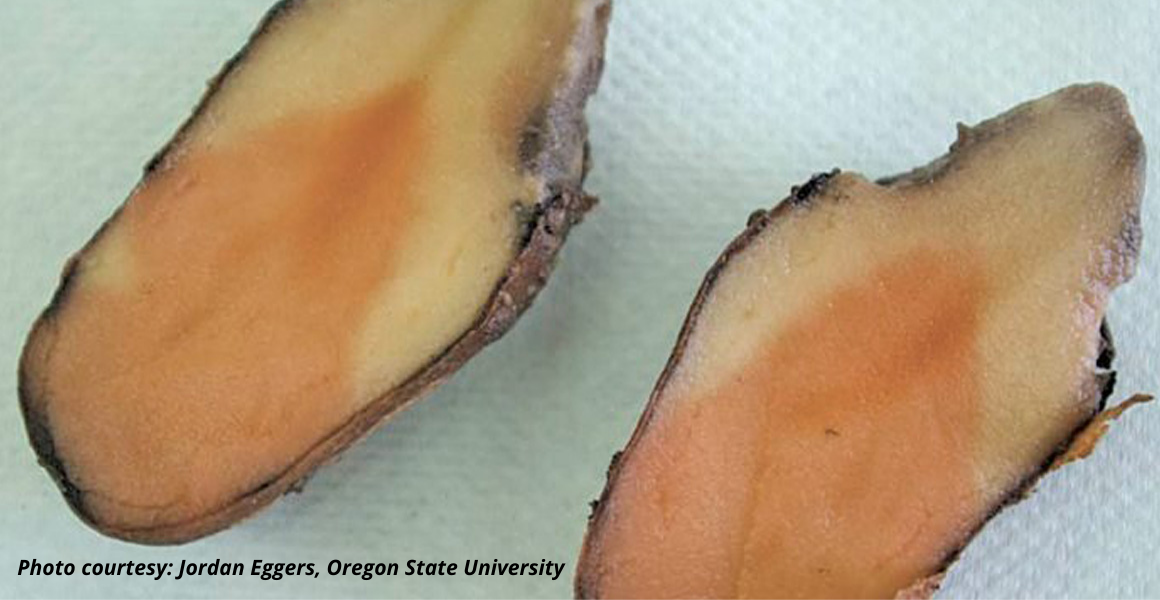
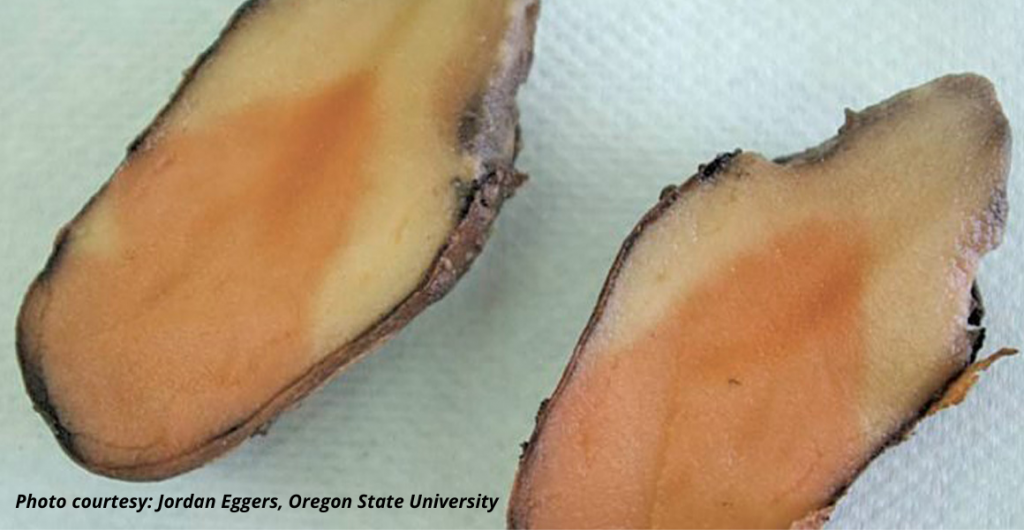
Reading Time: < 1minutePink rot in potatoes is an important soil-borne disease caused by Phytophthora erythroseptica. It can cause rots at all parts of the growing cycle. Read this […]
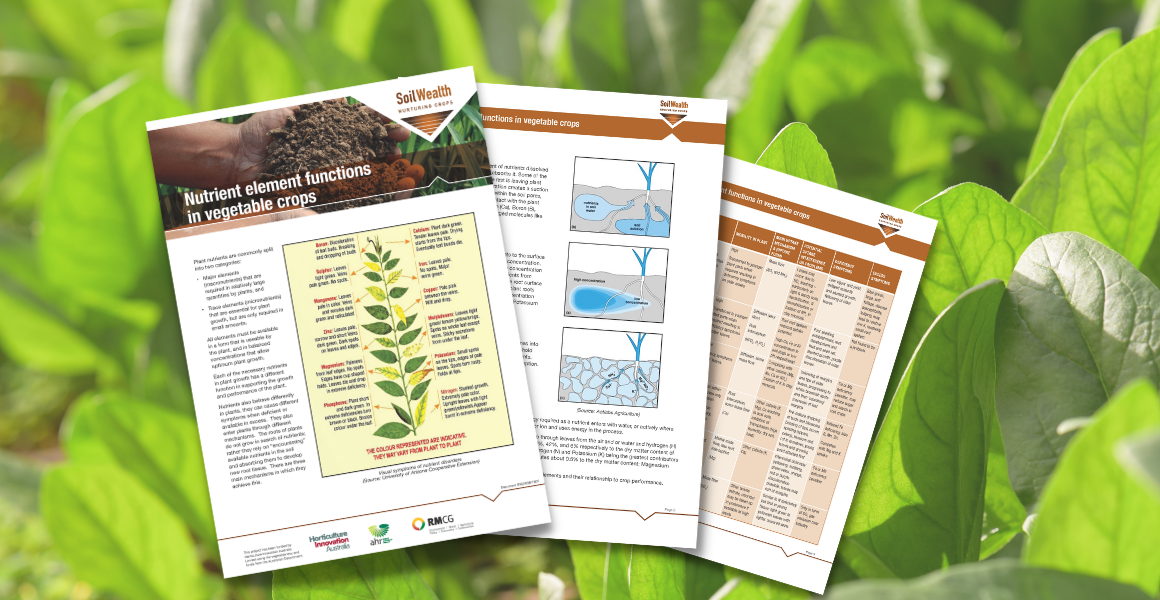
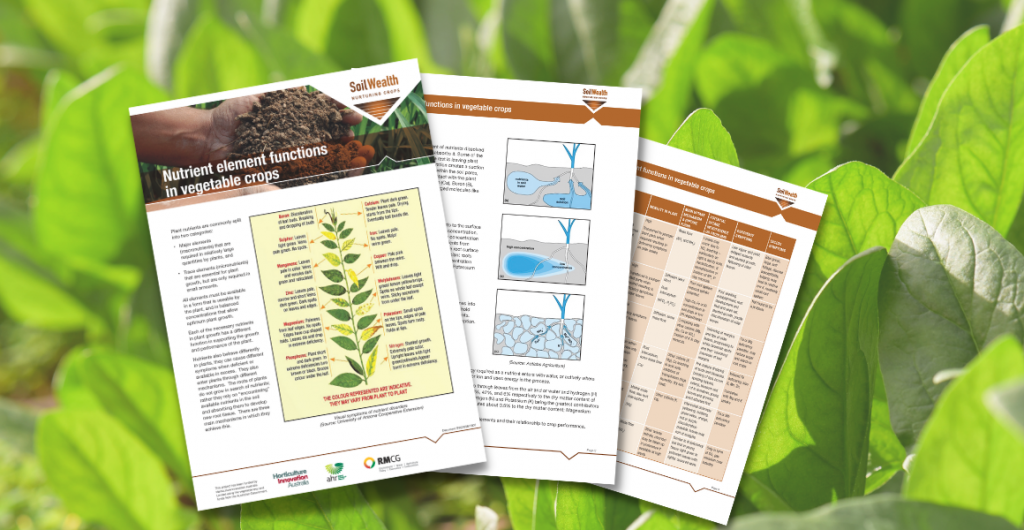
Reading Time: < 1minuteDo you know your macronutrients from your micronutrients? Plant nutrients are commonly split into two categories: Major elements (macronutrients) that are required in relatively large quantities […]
Reading Time: < 1minuteManaging plant nutrition is integral to producing a healthy, profitable vegetable crop. The Soil Wealth ICP team has collated a range of informative resources to help […]
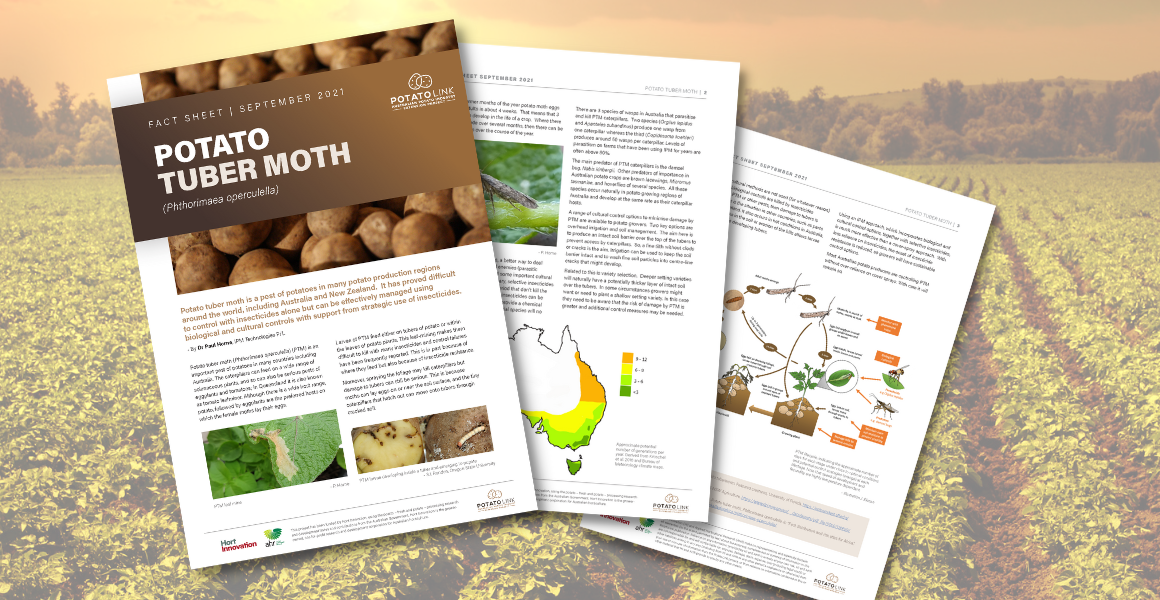
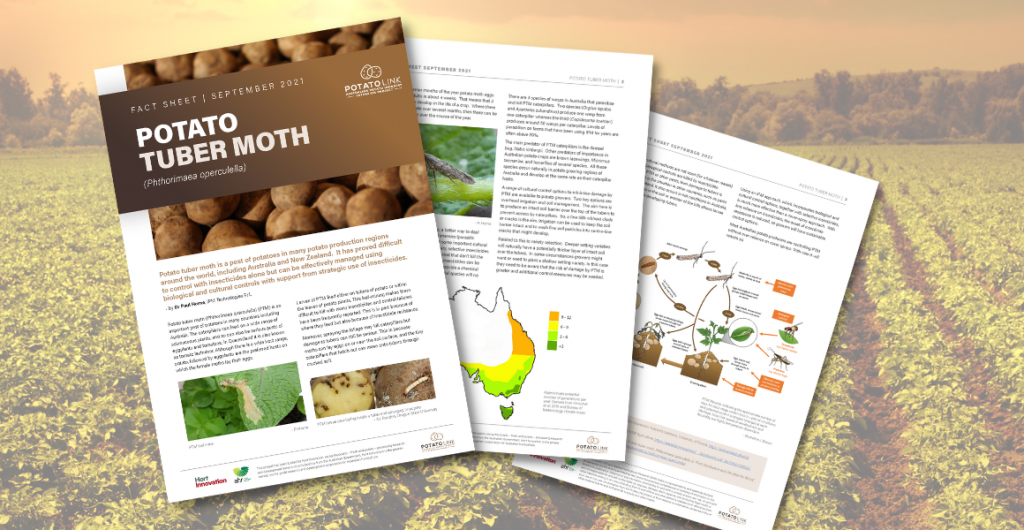
Reading Time: < 1minuteWhile tuber moth can be a serious pest of potatoes, it can also be effectively controlled using agronomic practices and biological controls. This new factsheet by […]
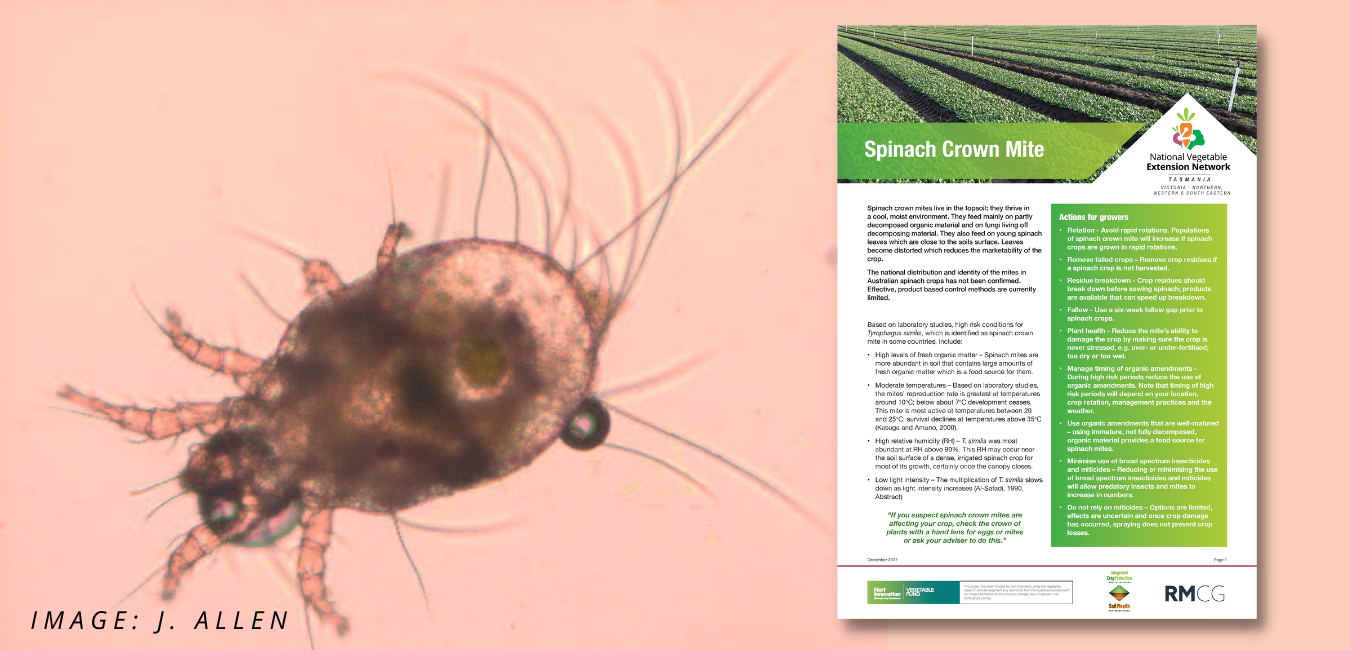
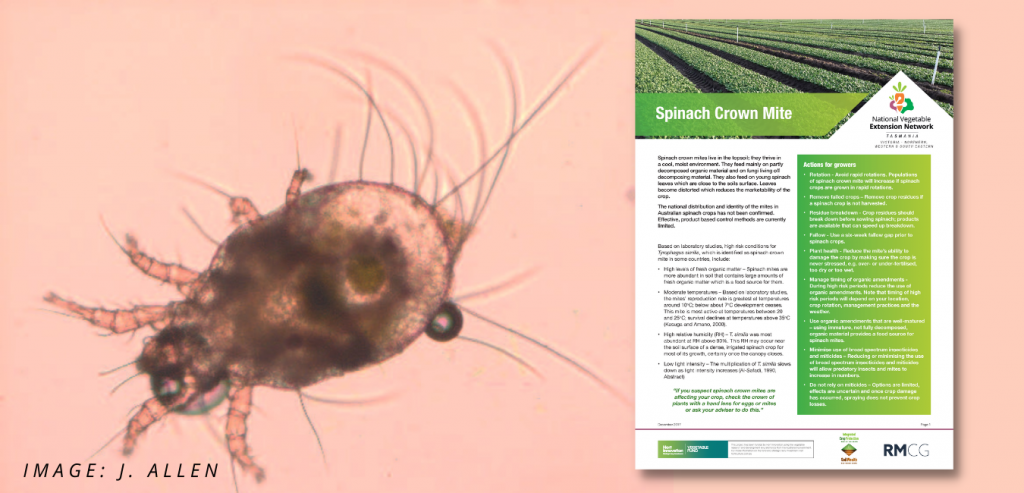
Reading Time: < 1minuteSpinach crown mites live in the topsoil and thrive in a cool, moist environment. They feed mainly on partly decomposed organic material and on fungi living […]
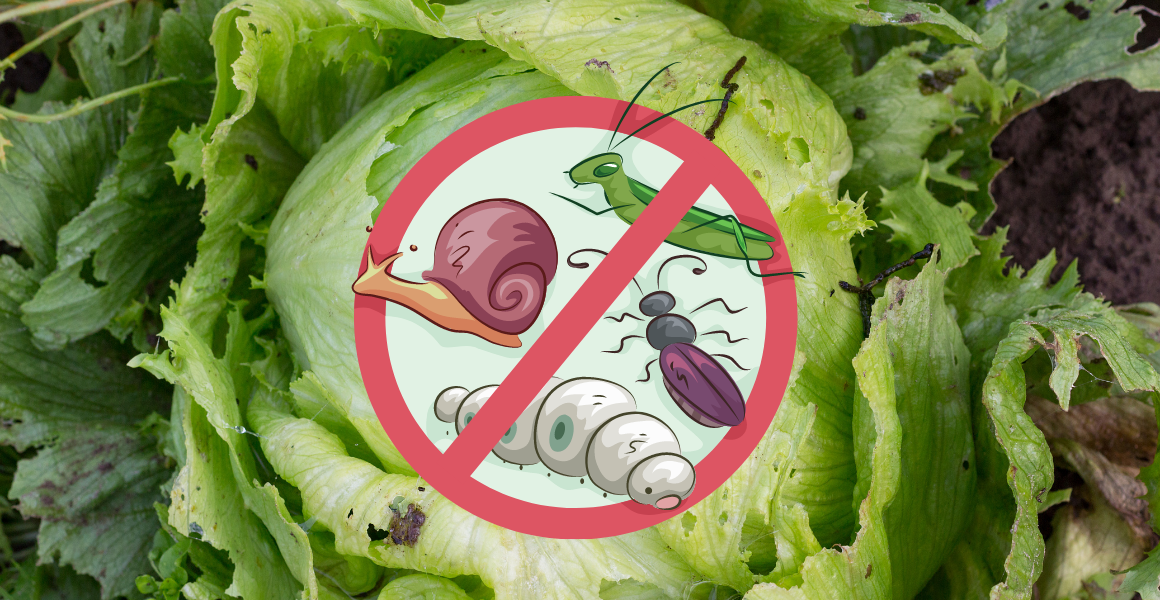
Reading Time: < 1minuteAre you struggling to regain control over chemical-resistant pests? The Soil Wealth ICP project developed a series of fact sheets to help vegetable growers manage mega […]
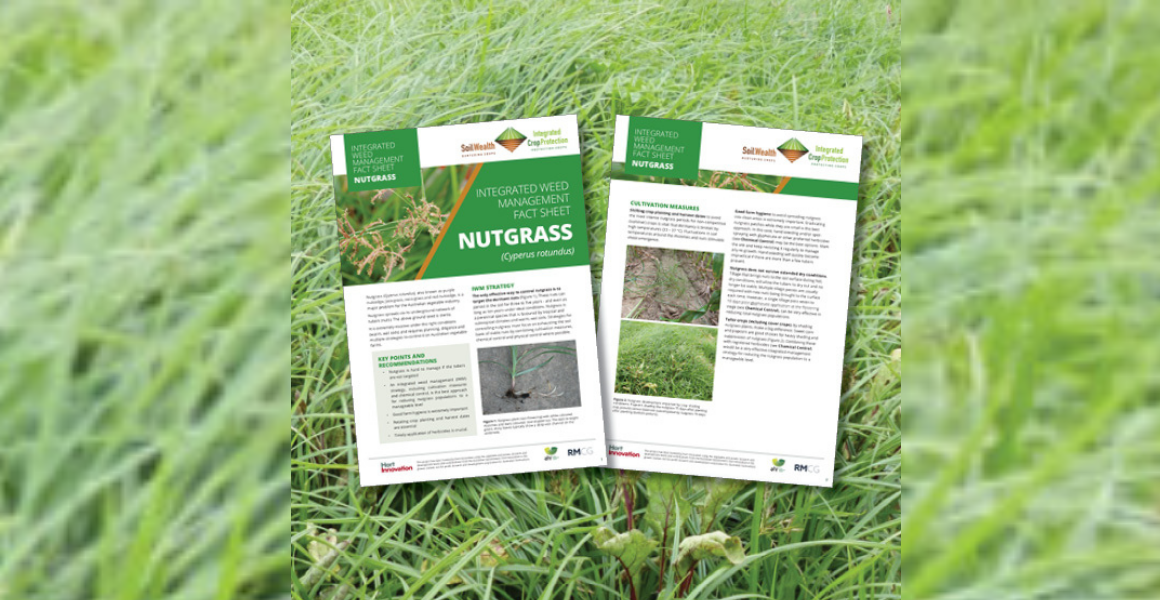
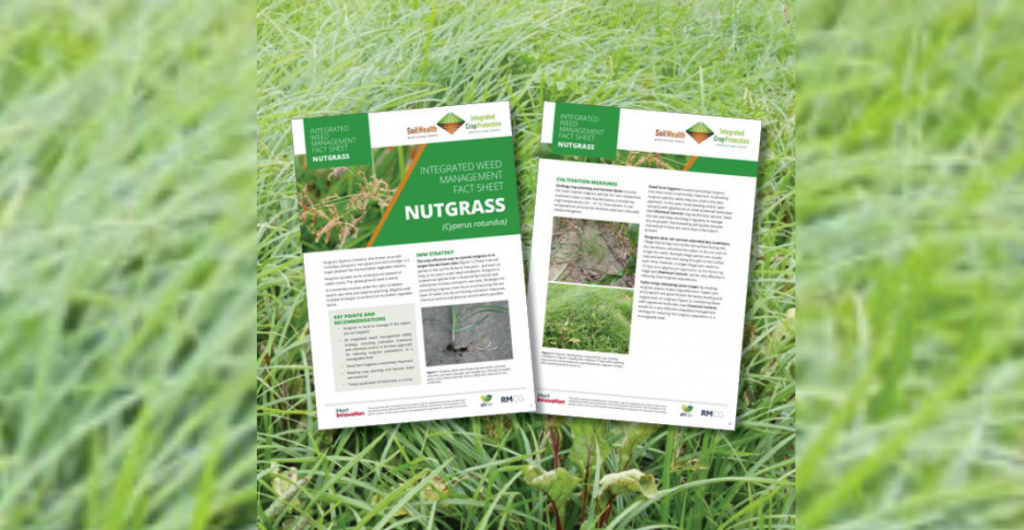
Reading Time: < 1minuteNutgrass (Cyperus rotundus), also known as purple nutsedge, Java grass, coco-grass and red nutsedge, is a major problem for the Australian vegetable industry. It is extremely […]
Reading Time: < 1minuteThe growth of weeds in vegetable production systems is enhanced by soil disturbance, irrigation and the application of fertilisers. This fact sheet provides growers and advisors […]
Reading Time: 3minutesThe Soil Wealth and Integrated Crop Protection (ICP) project works with growers nationally to put soil management and plant health research into practice. The project team […]
Reading Time: < 1minuteIn the late 1990s a small number of progressive growers in Australia started experimenting with reduced till (or minimum till) for vegetable production. Reduced till is […]
Reading Time: 2minutesA healthy soil is productive, sustainable and profitable. But what exactly does ‘soil health’ mean for vegetable growers? This Soil Wealth ICP fact sheet discusses how […]
Reading Time: < 1minuteRelated ProjectsSoil wealth and integrated crop protection – phase 2This project has been funded by Hort Innovation, using the research and development levies listed below and […]
Reading Time: < 1minuteRelated ProjectsSoil wealth and integrated crop protection – phase 2This project has been funded by Hort Innovation, using the research and development levies listed below and […]
Reading Time: < 1minuteInsects, whether they’re pests or beneficial species, can become unwanted contaminants in consumers’ fresh produce. This Soil Wealth ICP best practice guide summarises the key findings […]
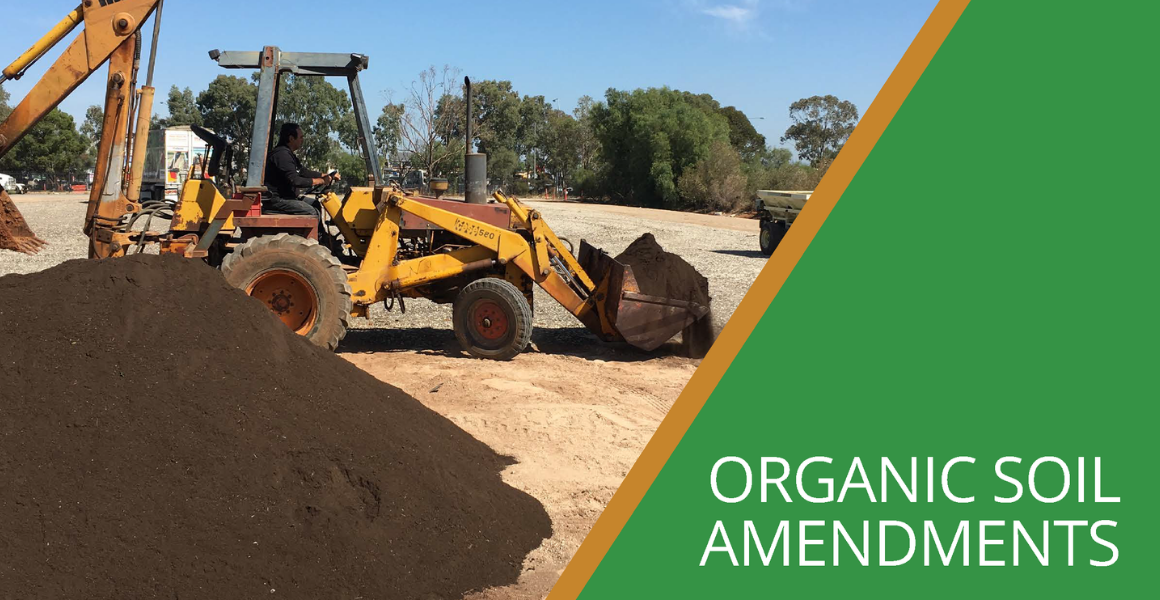
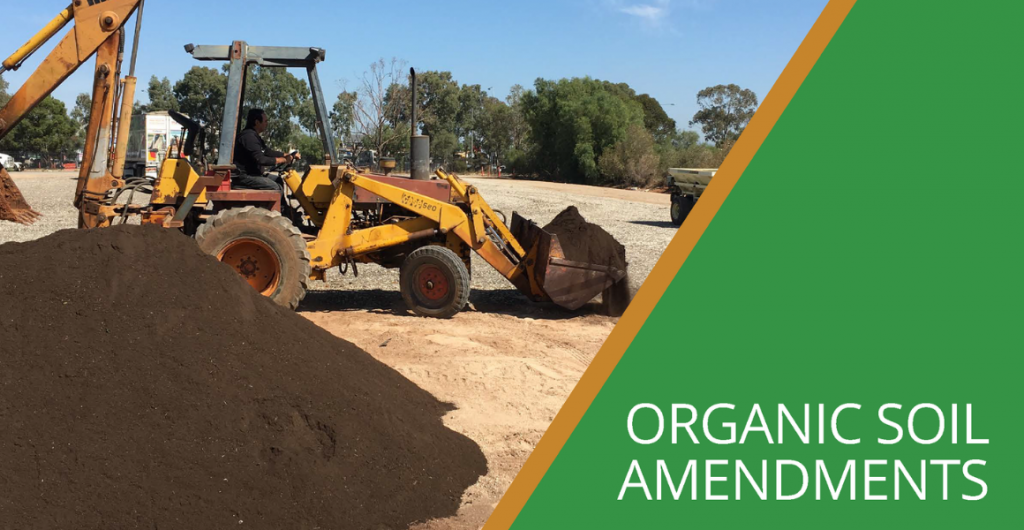
Reading Time: < 1minuteDo you want to know more about organic soil amendments but don’t know where to start? The Soil Wealth ICP team has done the hard work […]
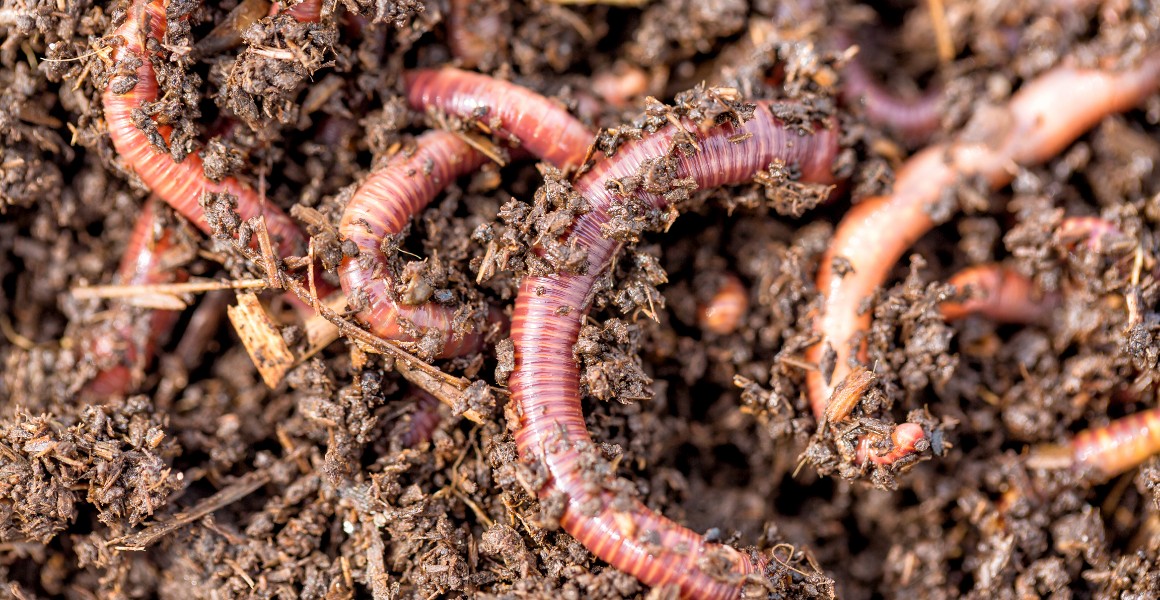
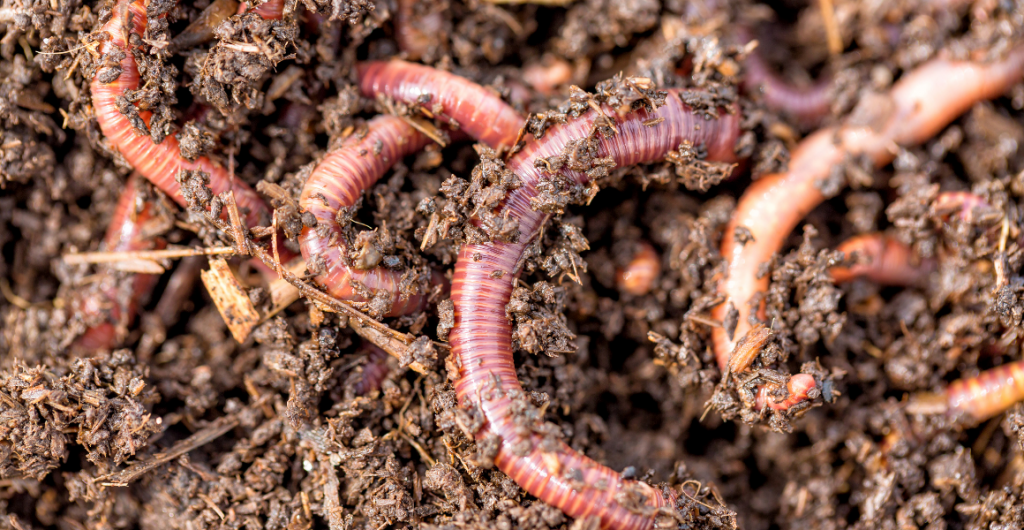
Reading Time: < 1minuteIn addition to being a good indicator of soil health, earthworms can play a vital role in improving soil structure and fertility. Earthworms can improve soil […]
Reading Time: < 1minuteSoil health is closely linked to soil microbiology. This Soil Wealth ICP fact sheet outlines information on a broad group of soil microbes and how different […]
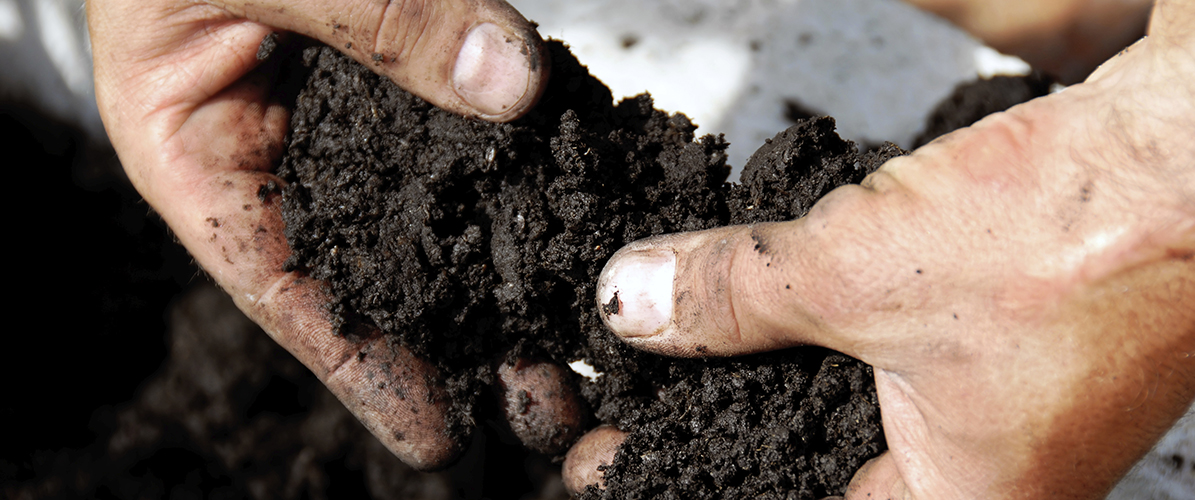
Reading Time: < 1minuteA soil in good condition consists of around 50 per cent solid matter – this includes organic matter, which is the main driver of soil health. […]
Reading Time: < 1minuteAgricultural practices can contribute to soil acidification, or the drop in soil pH. This can be due to several factors including leaching of nitrate nitrogen, nutrient […]
Reading Time: < 1minuteA soil in good condition consists of around 50 per cent solid matter – this includes organic matter, which is the main driver of soil health. […]
Reading Time: < 1minuteClick here to view a fact sheet on metham sodium (MS) — a broad-spectrum fumigant used to control a variety of soil-borne pests and diseases including […]
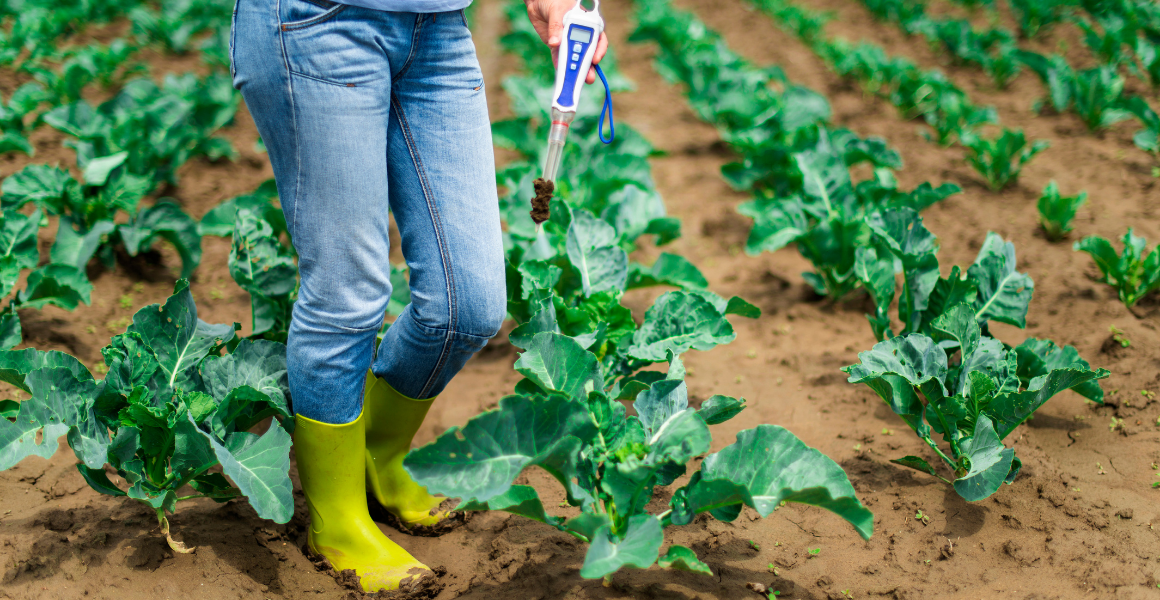
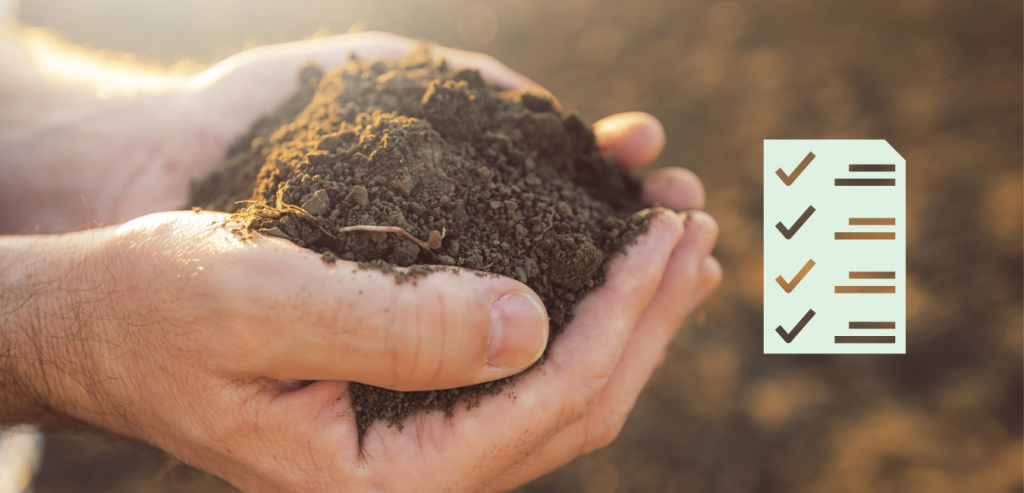
Reading Time: < 1minuteBefore planting a crop, it is useful to conduct soil sampling and testing to find out what is happening beneath the surface and if there are […]
Reading Time: < 1minuteFresh Produce Safety Centre Australia and New Zealand has published a fact sheet on the impact of animals on the risk of foodborne illnesses in the […]
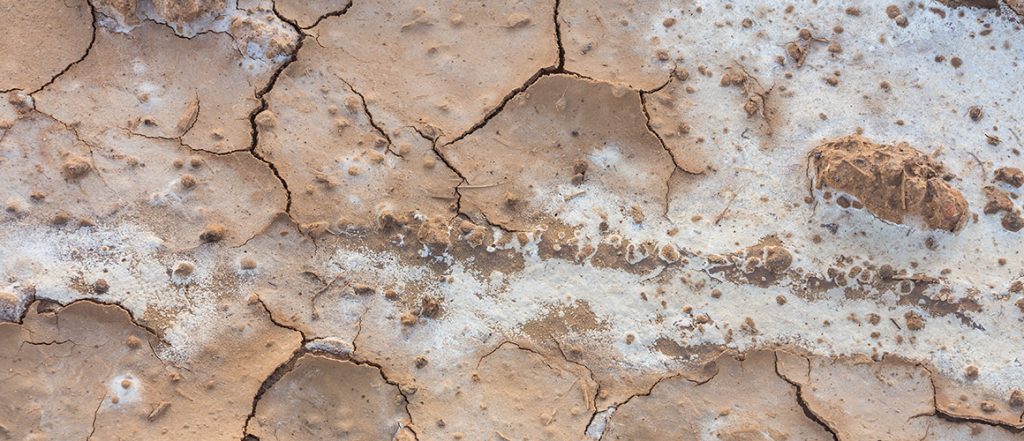
Reading Time: < 1minuteSalinity issues are worse in dry years because of a lack of flushing rain and little fresh water replenishment in dams or underground aquifers. The problem […]
Reading Time: < 1minuteSalinity issues can appear in all major vegetable production areas; they can come and go depending on weather and changes in water quality. It can occur […]
Reading Time: < 1minuteThe April-June period is when consumer complaints about redbacks in broccoli are most likely to surface. Learn to manage this risk with AHR resources.
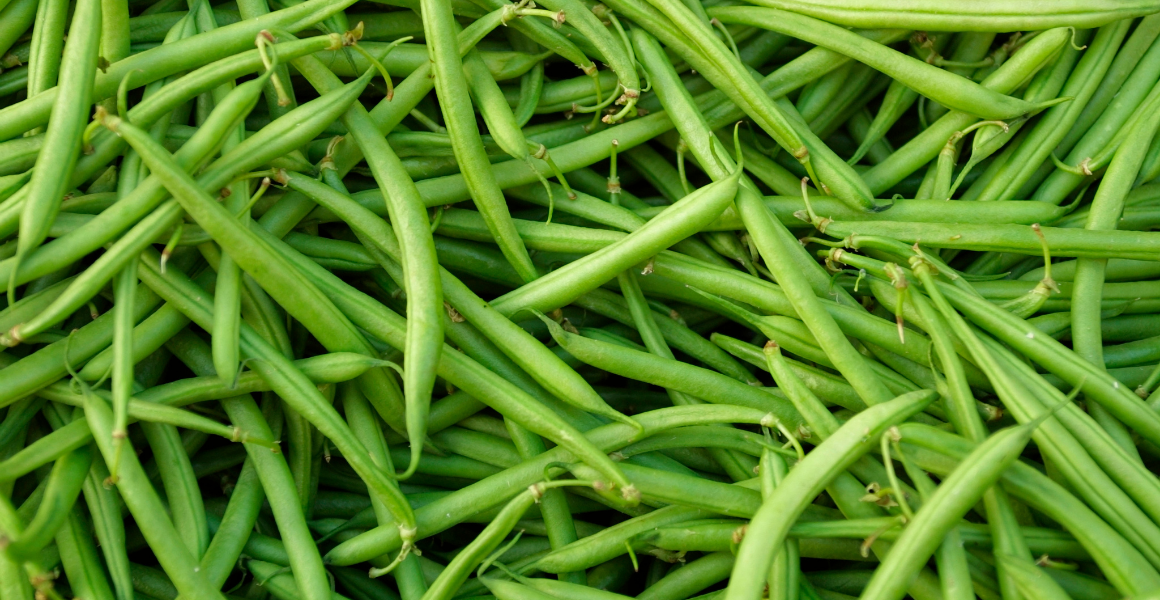
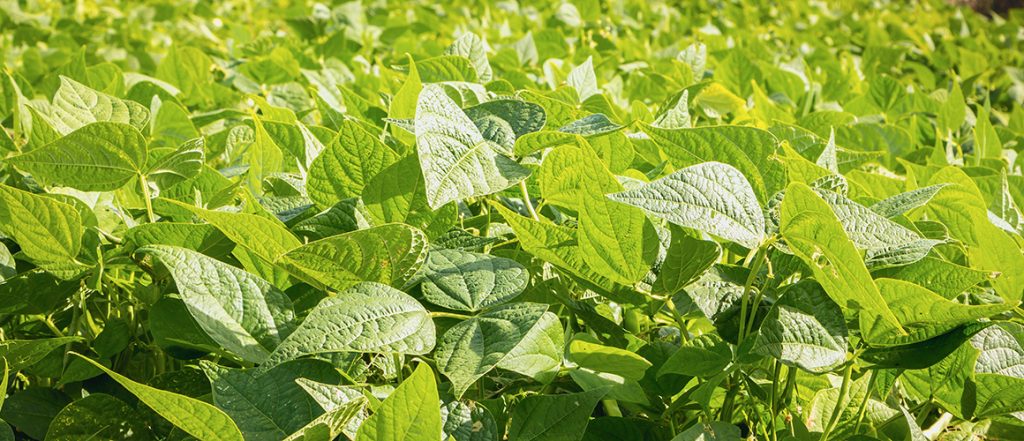
Reading Time: < 1minuteSclerotinia rot, or white mould, is one of the major diseases of green beans in Australia. Discover more about identifying and managing this disease.
Reading Time: < 1minuteLearn about the life-cycle and management options for Sclerotinia rot, which can cause significant yield losses during cropping and as a post-harvest disease.
Reading Time: < 1minuteRead this fact sheet to learn about the causes and effects of soil acidification, how liming affects soil pH, and how to manage paddock variability.
Reading Time: < 1minuteThis new resource from VegNET Tasmania looks at the practical considerations of strip-till farming, from healthier crops to the difficulties of implementation.
Reading Time: < 1minuteAs part of the nursery industry's levy-funded biosecurity program, a fact sheet highlighting CGMMV and its transmission has been published.
Reading Time: < 1minuteLabile carbon is the carbon most readily available to microorganisms as a carbon and energy source and is a useful indicator of soil biological activity.
Reading Time: < 1minuteThis fact sheet comes from a global scan and review of research and creates a one-stop shop for information on organic soil amendments.
Reading Time: < 1minuteThis resource looks at CGMMV management options, including minimising its presence in bee hives and improving on-farm biosecurity to protect the property.
Reading Time: < 1minuteA new levy-funded resource produced by AHR looks at the risks of redback spider contamination of broccoli and offers risk management strategies.
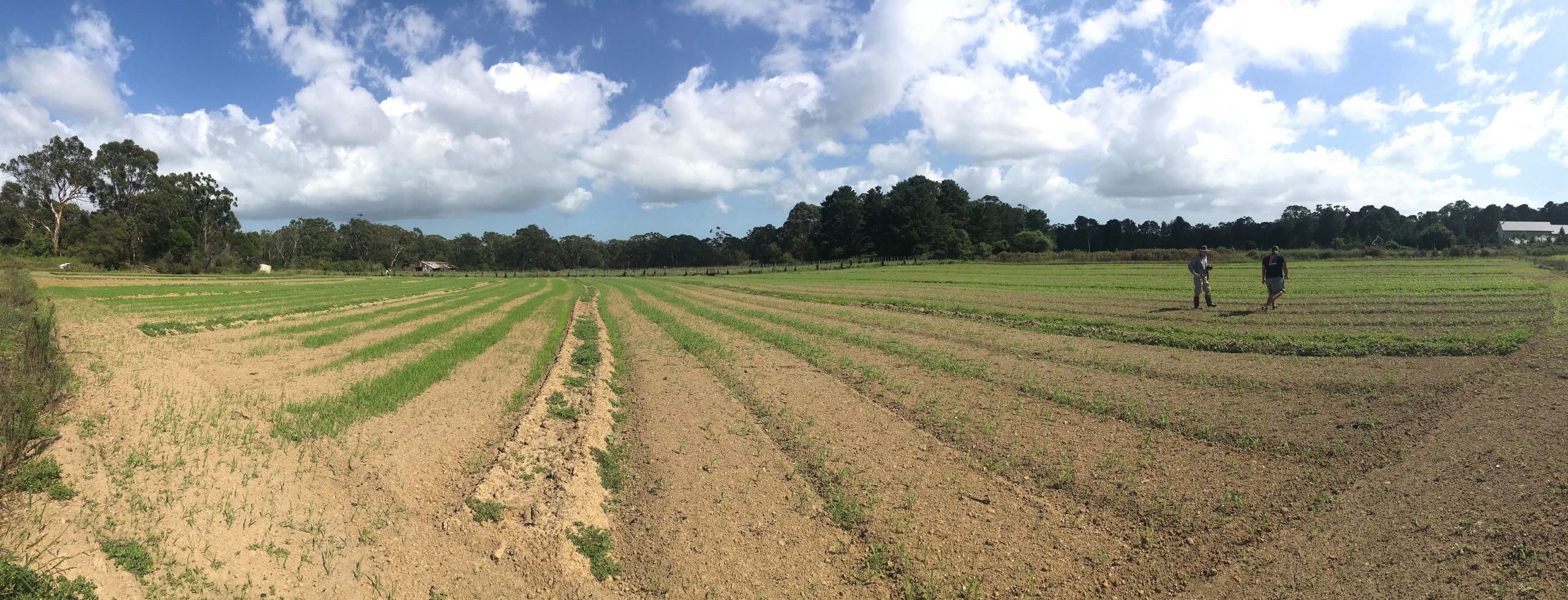
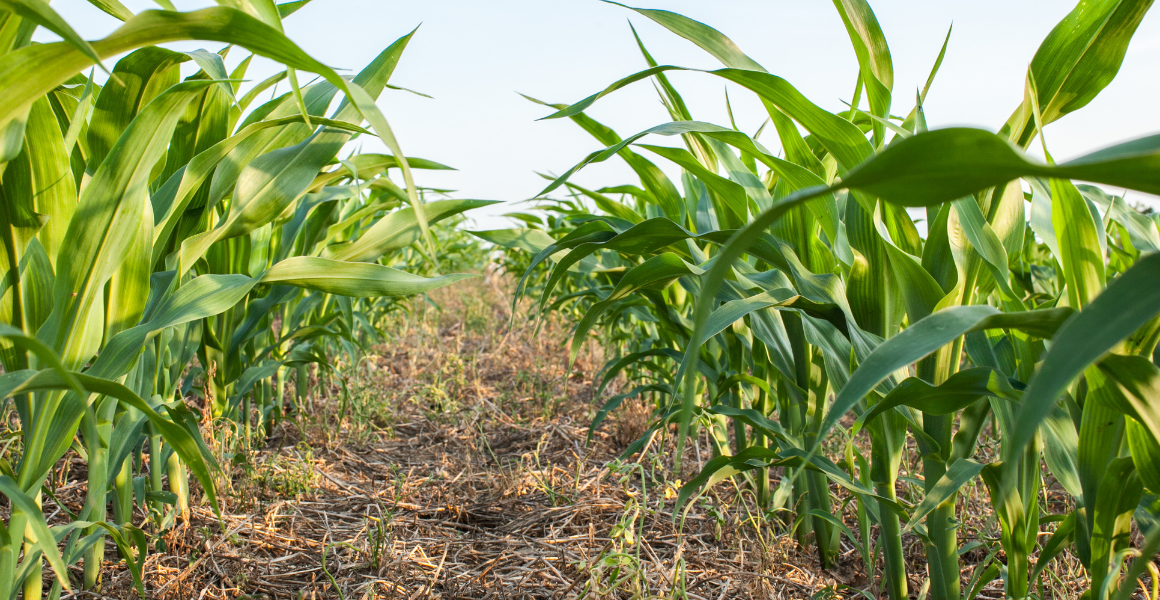
Reading Time: 2minutesA recently completed project has identified and assessed new innovations for increasing yields or reducing input costs for processing vegetable crops in Australia.
Reading Time: < 1minuteThese fact sheets summarise the findings and break down the key conclusions from research into biological and chemical controls for TPP.
Reading Time: < 1minuteThis fact sheet reports on a preliminary trial of chemical and biological controls, with three fungicide treatments significantly reducing the area of diseased plants.
Reading Time: < 1minuteTo avoid reinforcing continued reliance on fumigants like metham sodium, the Soil Wealth team has put together a fact sheet on potential alternative approaches.
Reading Time: < 1minuteAdjuvants are additives that modify a chemical's action. This fact sheet provides insights into how to choose one that suits your crop protection needs.
Reading Time: < 1minuteBiopesticides are a diverse group of pest control products based on naturally occurring biochemicals, minerals and microbes that have minimal environmental impacts.